View methods side by side.
Choose up to four methods. Add them using the search and share the comparison by copying its link.
| Criterion |  UX Research Empathy Mapping | 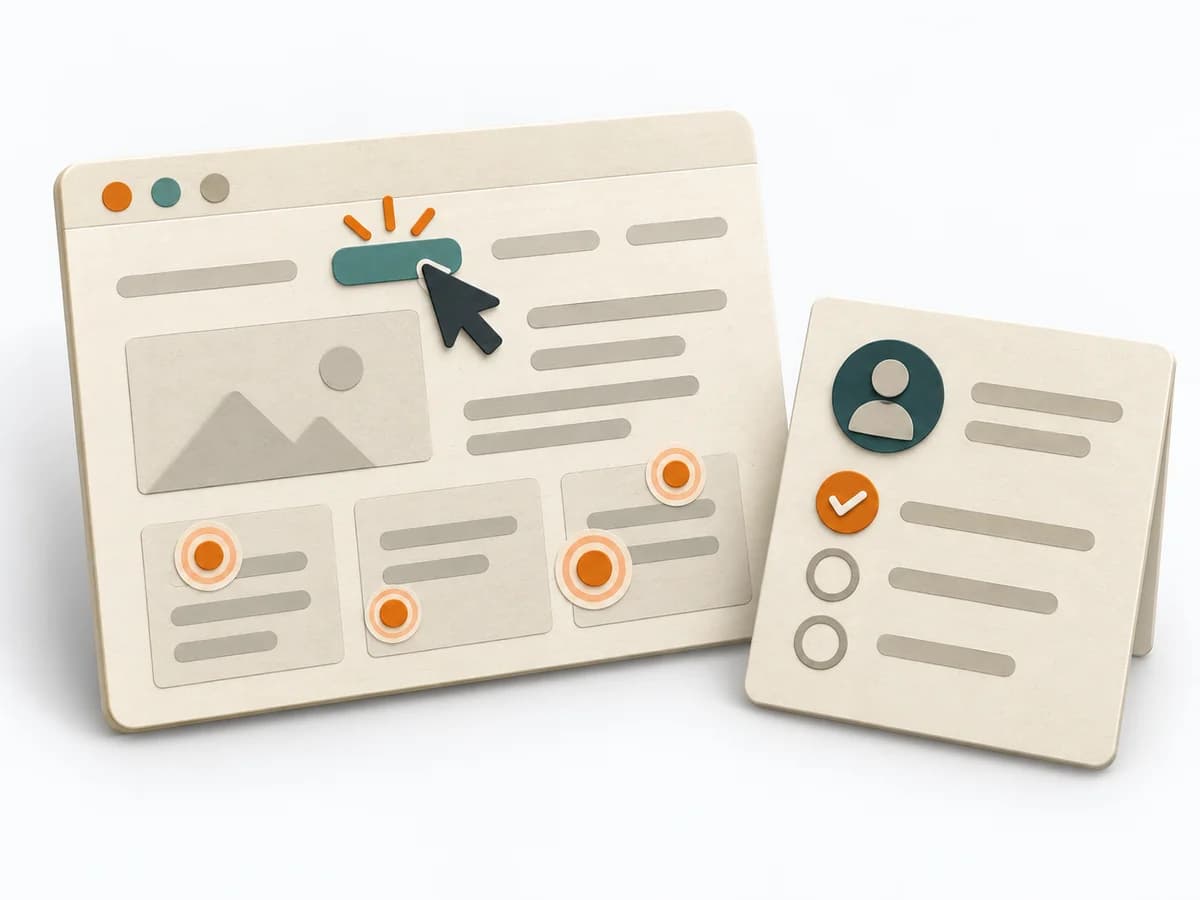 UX Research First-click Testing | 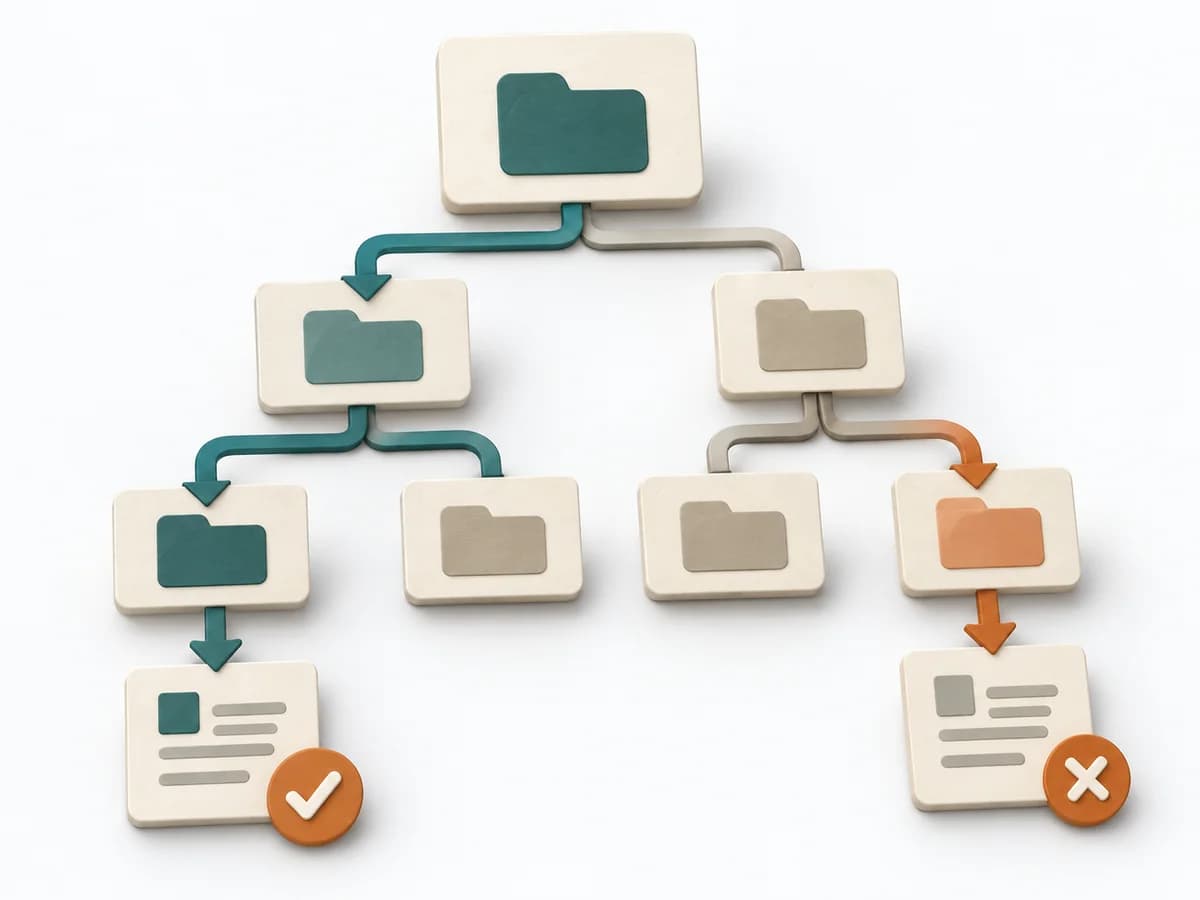 UX Research Tree Testing |  UX Research Affinity Diagramming |
|---|---|---|---|---|
Purposedifferent | When a lot is assumed about a target group but little is seen jointly, empathy mapping makes knowledge and gaps directly comparable. The picture also shows which assumptions hold up and where evidence is missing. | When users immediately turn the wrong way on a screen or wireframe, first click testing checks initial orientation at high speed. The first click shows early whether expectation, labeling, and wayfinding fit together. | When a navigation exists but search paths still fail, tree testing checks findability without visual distraction. The method shows whether labels, levels, and paths really lead to the intended destination. | When research notes, feedback, or observations sit unconnected side by side, affinity diagramming sorts the raw material into solid themes. Many individual points turn into patterns that make decisions and opportunities clearer. |
Complexitydifferent | Low | Low | Medium | Low |
Timedifferent | 30–60 min | 1-2 Tage | 1-2 Tage | 45–90 min |
Participantsdifferent | 4-8 | 10-30 | Based on research question | 3-10 |
Formatdifferent | Workshop | Async | Async | Workshop |
Outputdifferent | Empathy Map, Assumptions List, Research Gaps | Click Heatmap, Success Rate, Design Recommendations | Findability Metrics, Path Analysis, Revised IA | Theme clusters, Insight statements, Opportunity areas |
Tagsno overlap | SynthesisQualitativeWorkshop | UXNavigationFindabilityValidation | Information architectureNavigationFindability | SynthesisQualitativeRoot cause |