View methods side by side.
Choose up to four methods. Add them using the search and share the comparison by copying its link.
| Criterion | 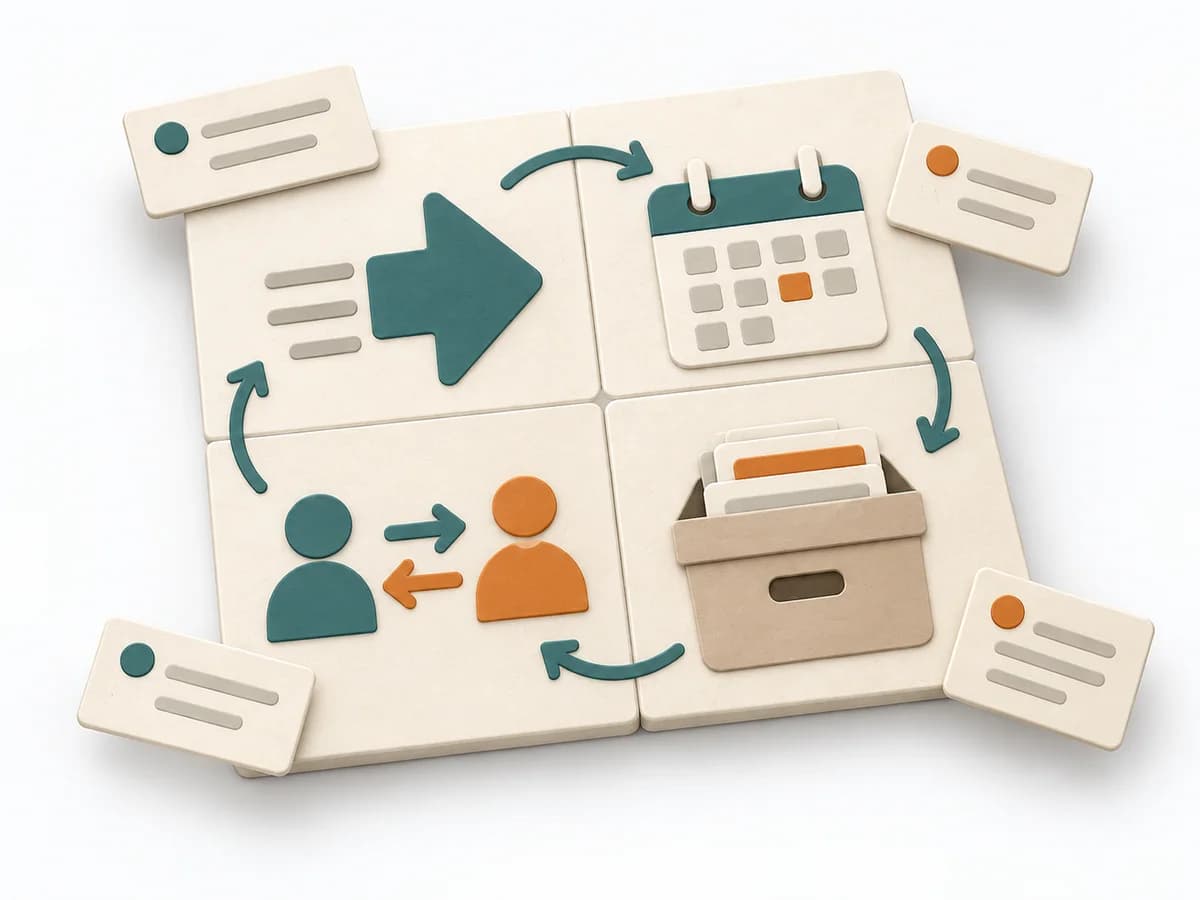 Decision Making Eisenhower Matrix | 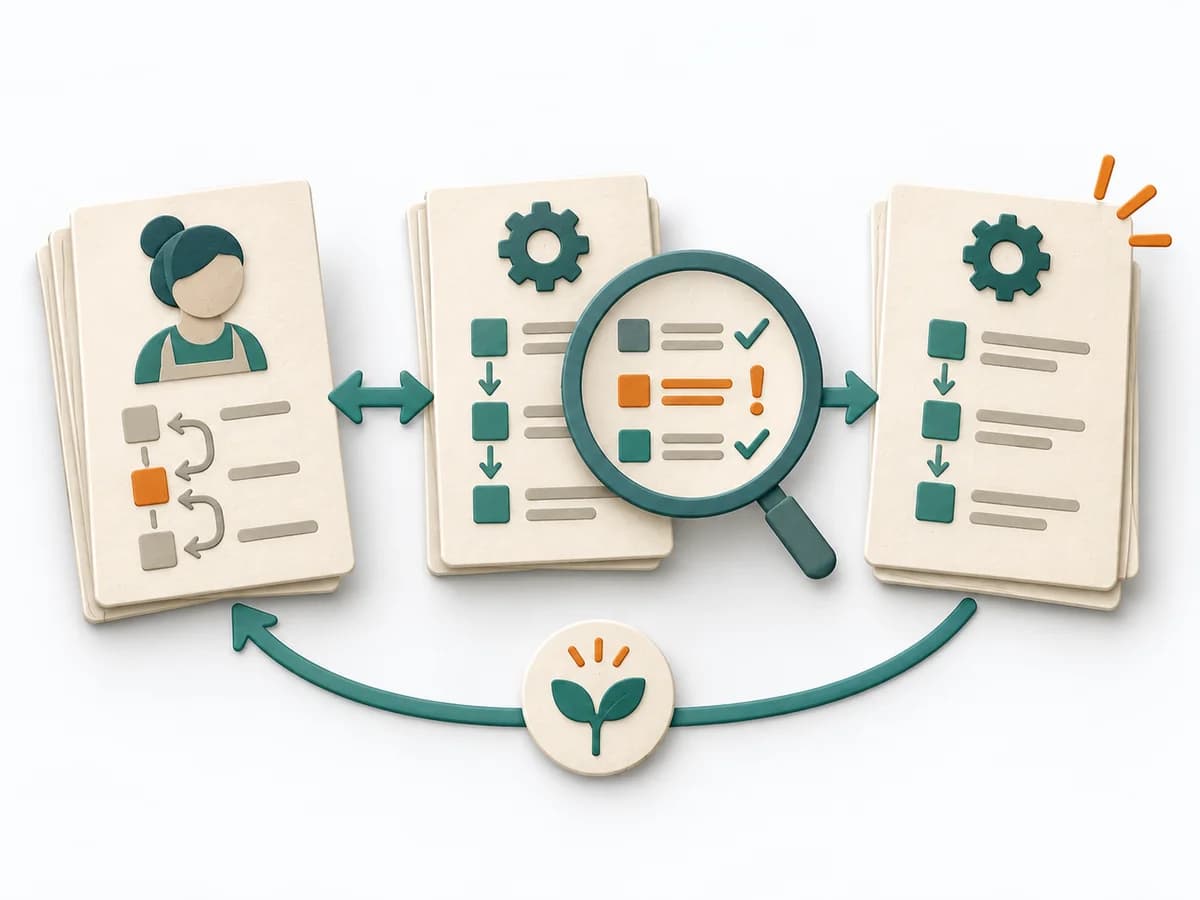 Operations Standard Work Analysis |  Operations Gemba Walk | 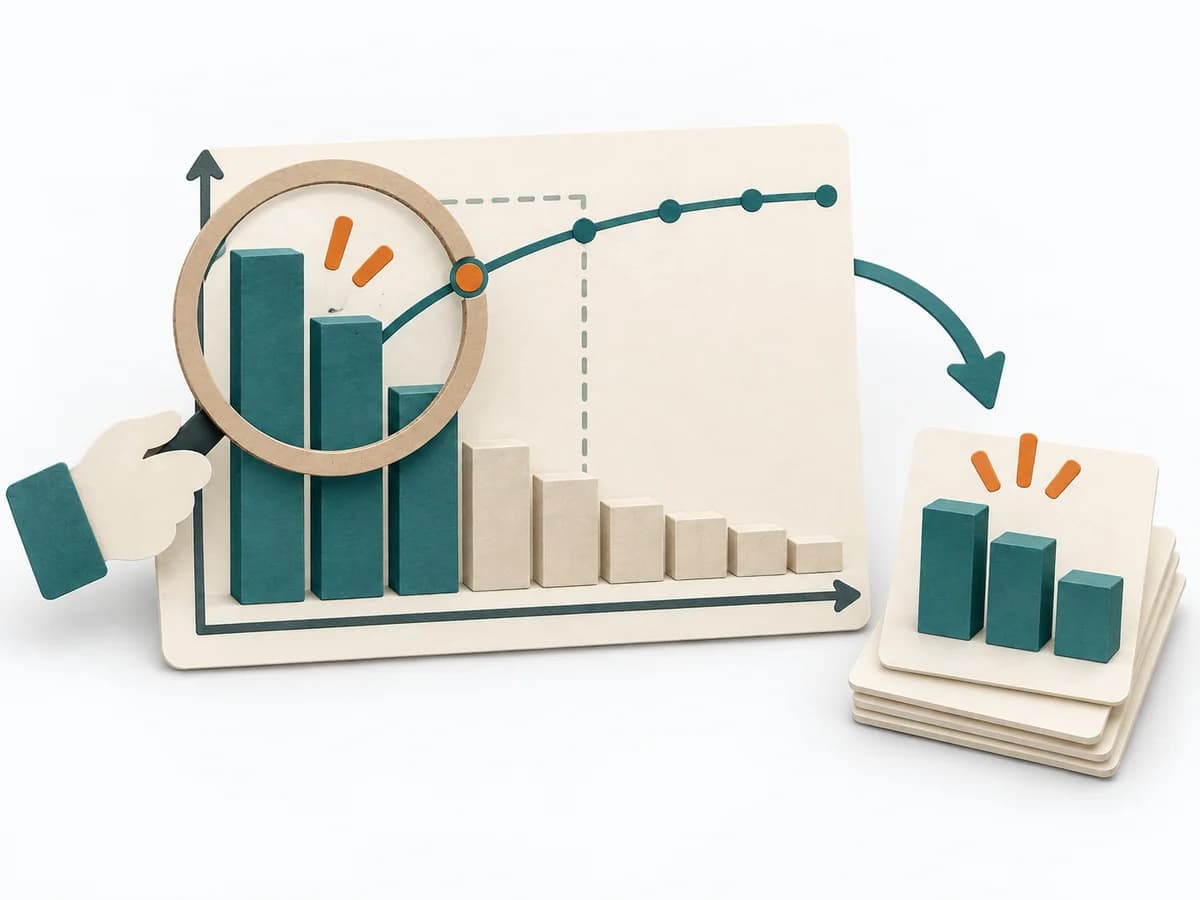 Decision Making Pareto Analysis |
|---|---|---|---|---|
Purposedifferent | It separates true priorities from noise so it becomes clear what should be done now, scheduled, delegated, or dropped. | When the same task is done differently depending on the person, the method exposes the reliable core. It creates comparability without unnecessarily choking off needed latitude. | When there is uncertainty about the real course of a process, the method brings observation to the place where work happens. It combines perception, follow-up questions, and process knowledge so decisions rest on actual workflows instead of assumptions. | In many problem situations, effect is distributed unequally across many causes. A Pareto Analysis separates the few drivers with high leverage from the long remainder and focuses attention on what measurably moves the needle. |
Complexitydifferent | Low | Medium | Low | Low |
Timedifferent | 15-30 min | 1-3 h | 30-120 min | 30-60 min |
Participantsdifferent | 1-6 | 2-6 | 2-6 | 1-6 |
Formatdifferent | Workshop + async | Workshop | Workshop | Workshop + async |
Outputdifferent | Eisenhower Matrix, Action List, Delegation Notes | Standard Work Sheet, Deviation List, Improved Standard, Training Needs | Observation Notes, Improvement Ideas | Pareto Chart, Top Causes, Focus List |
Tagsno overlap | PrioritizationFocusTasks | LeanProcessQuality | LeanObservationProcessOperations | PrioritizationQualityFocusRoot cause |