View methods side by side.
Choose up to four methods. Add them using the search and share the comparison by copying its link.
| Criterion |  Innovation Double Diamond |  UX Research Card Sorting | 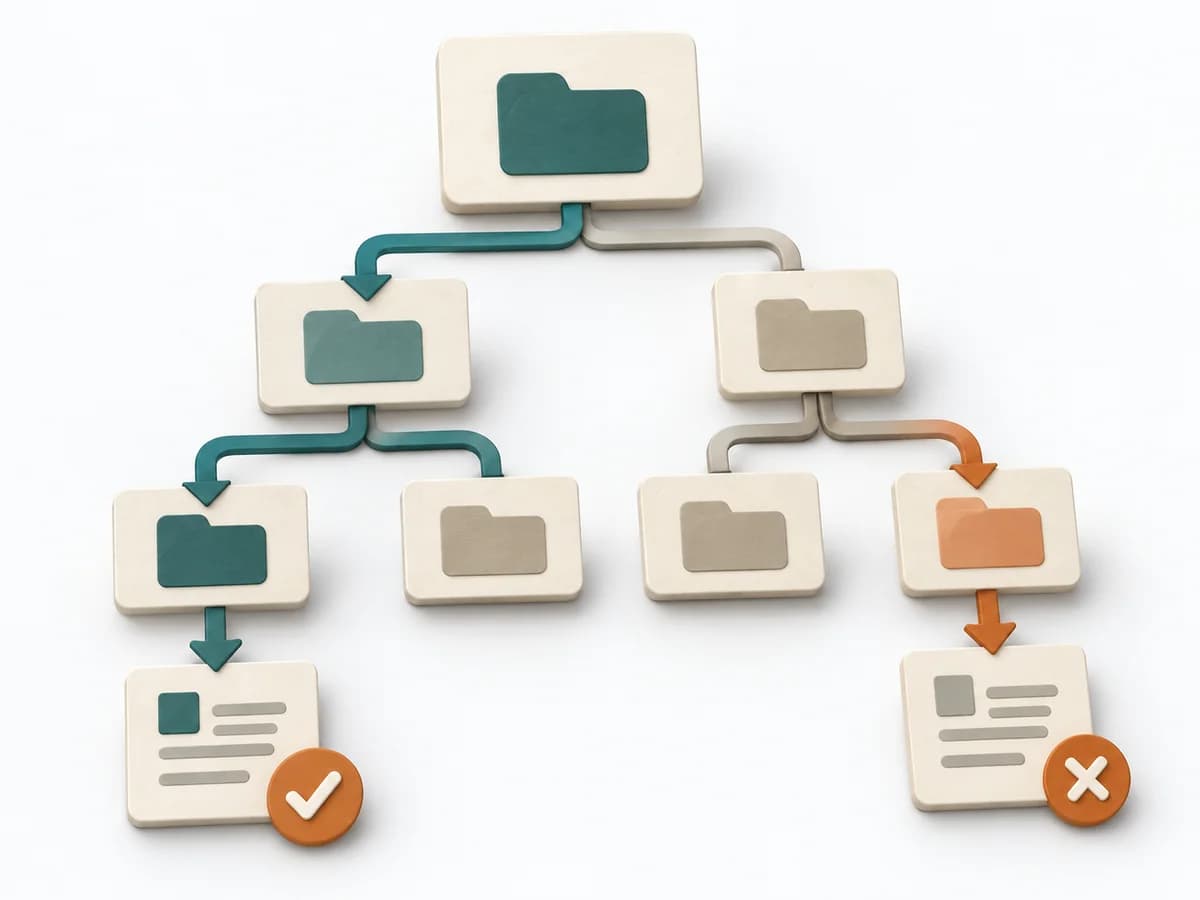 UX Research Tree Testing | 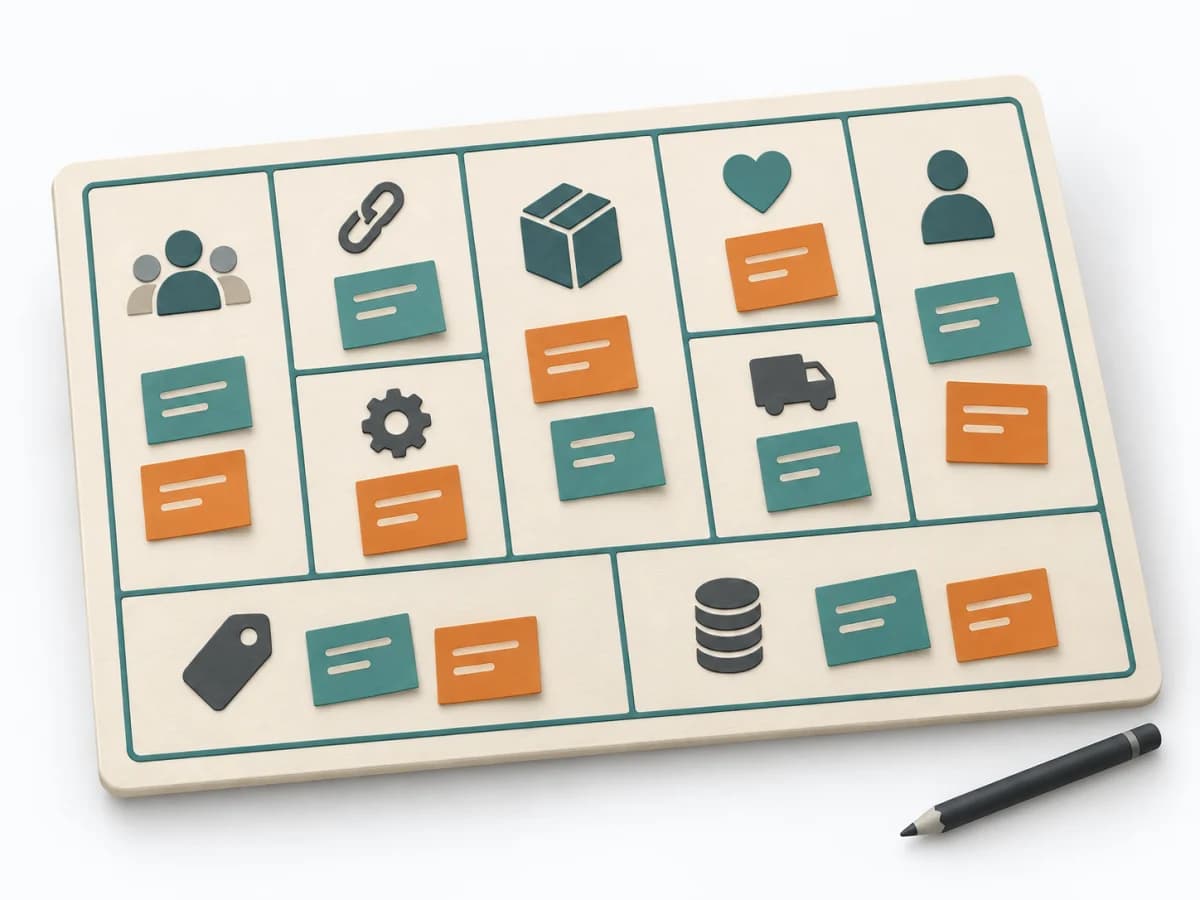 Business Strategy Business Model Canvas |
|---|---|---|---|---|
Purposedifferent | For complex problems with a fuzzy situation, the method cleanly separates search space and decision. It first creates breadth in understanding and then focus in elaboration. This brings open questions, problem definition, and solution path into a traceable movement. | When content only makes sense internally and users can't find the structure again, card sorting exposes their mental order. Terms, groups, and naming are then aligned with the target group's expectations. | When a navigation exists but search paths still fail, tree testing checks findability without visual distraction. The method shows whether labels, levels, and paths really lead to the intended destination. | The Business Model Canvas condenses a business model to its key building blocks and assumptions. It makes variants quickly comparable and reveals gaps before validation or implementation begins. |
Complexitydifferent | Medium | Low | Medium | Medium |
Timedifferent | Wochen bis Monate | 20-45 min | 1-2 Tage | 1-2 h |
Participantsdifferent | 3-12 | Based on research question | Based on research question | 2-8 |
Formatdifferent | Workshop + async | Workshop + async | Async | Workshop + async |
Outputdifferent | Problem Statement, Solution Options, Prototypes, Deliverables per Phase | Content groups, Label set, IA hypotheses | Findability Metrics, Path Analysis, Revised IA | Business Model Canvas, Assumption List, Business Hypotheses |
Tagsno overlap | ProcessDivergenceInnovation | Information architectureNavigationStructure | Information architectureNavigationFindability | Business modelStrategyValueInnovation |