View methods side by side.
Choose up to four methods. Add them using the search and share the comparison by copying its link.
| Criterion | 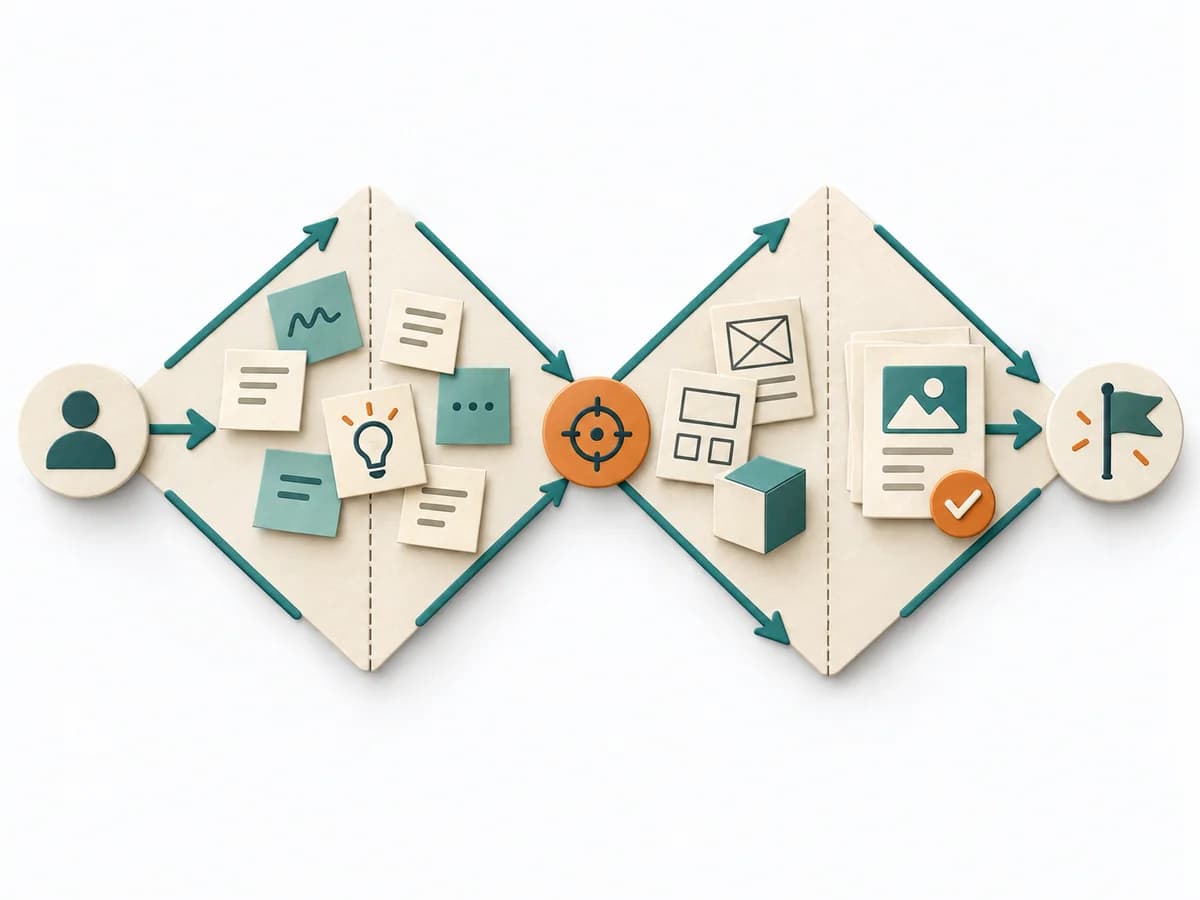 Innovation Double Diamond | 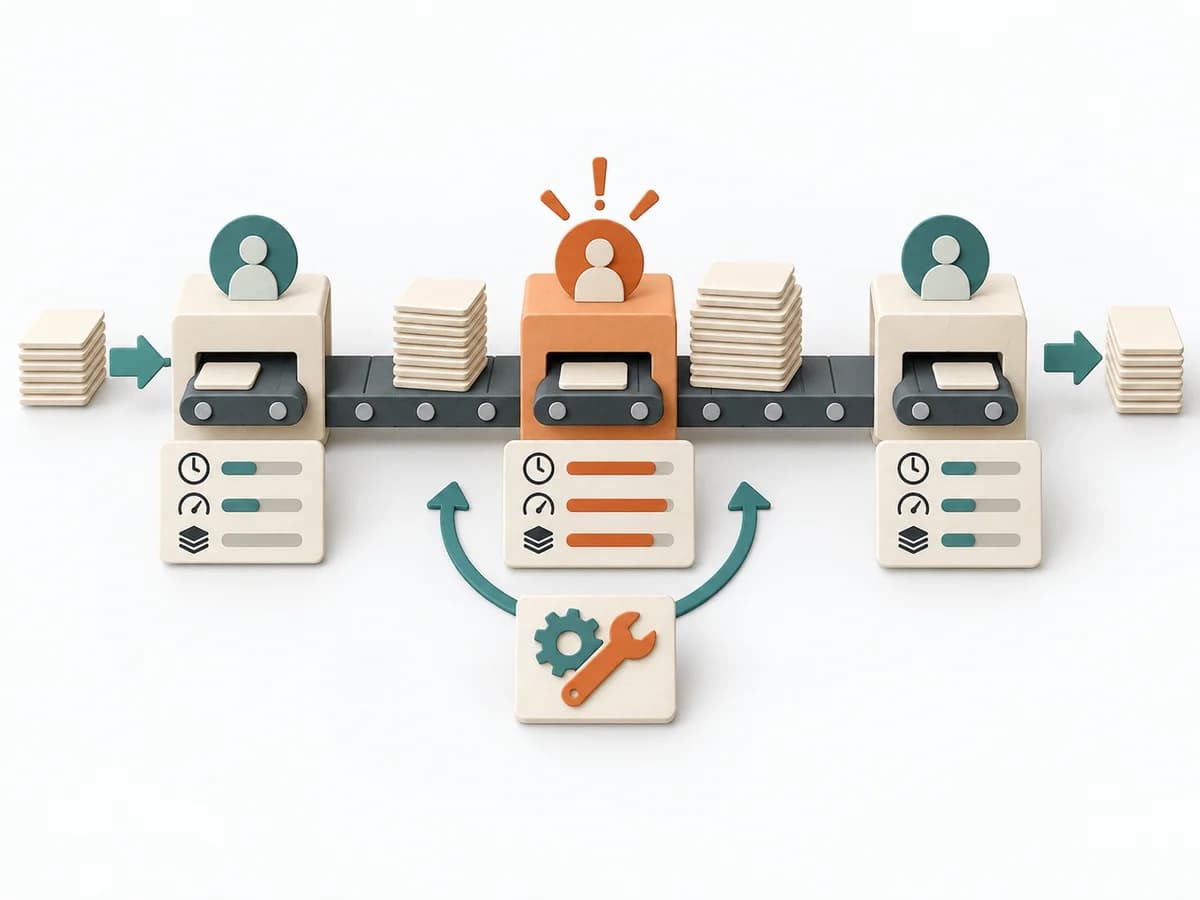 Operations Bottleneck Analysis | 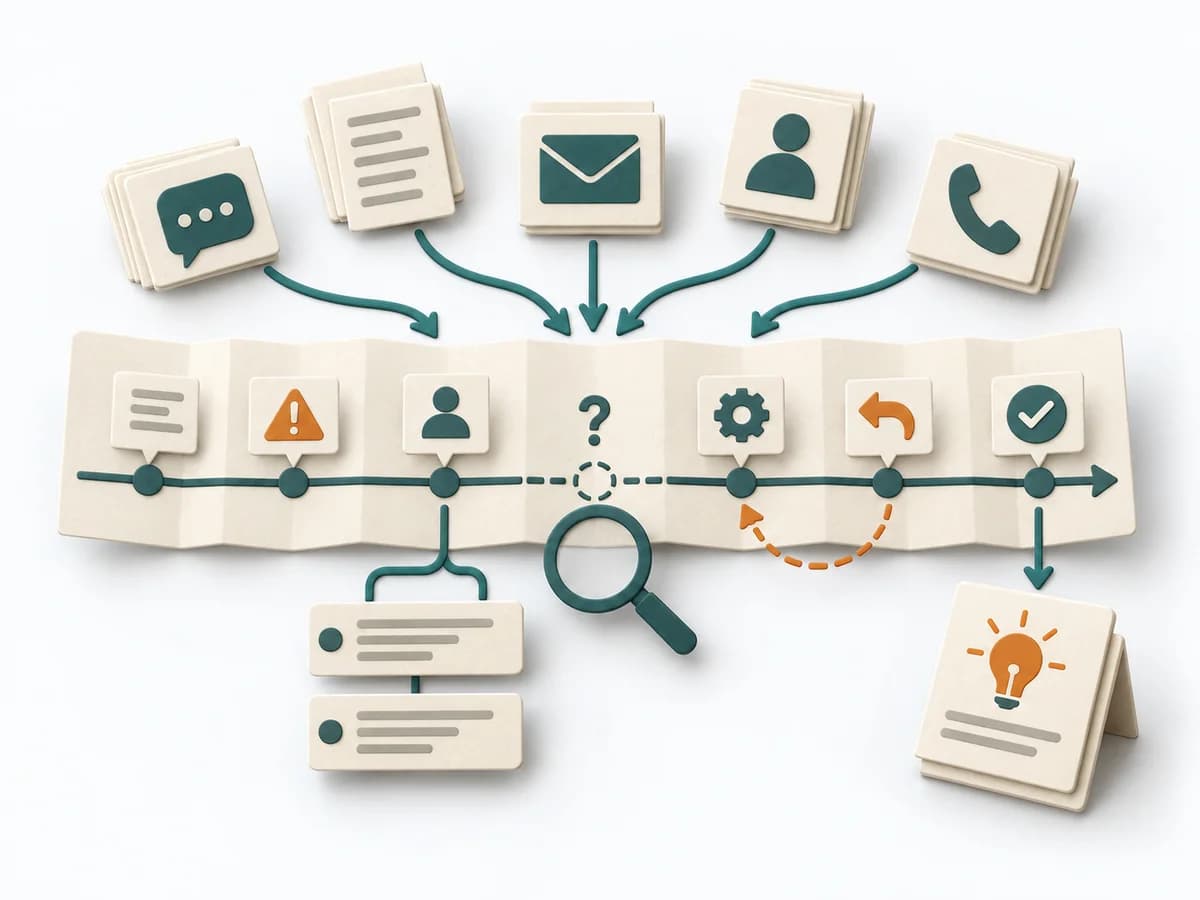 DevOps Incident Timeline Analysis |  Operations 5 Whys |
|---|---|---|---|---|
Purposedifferent | For complex problems with a fuzzy situation, the method cleanly separates search space and decision. It first creates breadth in understanding and then focus in elaboration. This brings open questions, problem definition, and solution path into a traceable movement. | For a flow that backs up at one point, the method looks for the capacity limit with the greatest leverage. It explains why extra effort elsewhere barely improves throughput. | For an incident with an unclear sequence, the method makes the timeline precisely visible. It separates perception, reaction, and delay so cause and effect become more clearly readable. | For a single, hard-to-explain deviation, the method exposes the causal chain behind the visible symptom. It keeps the cause open until a controllable condition emerges instead of a mere description. |
Complexitydifferent | Medium | Medium | Medium | Low |
Timedifferent | Wochen bis Monate | 1-3 h | 60-180 min | 15-30 min |
Participantsdifferent | 3-12 | 3-8 | 3-10 | 2-6 |
Formatdifferent | Workshop + async | Workshop + async | Workshop + async | Workshop |
Outputdifferent | Problem Statement, Solution Options, Prototypes, Deliverables per Phase | Bottleneck Map, Flow Metrics, Improvement Options, Follow-up Measures | Incident Timeline, Evidence Log, Delay Analysis, Improvement Actions | Root cause notes, Countermeasures |
Tagsno overlap | ProcessDivergenceInnovation | FlowMeasurementConstraints | IncidentTimelineSite Reliability Engineering | Root causeIncidentLeanProblem solving |