View methods side by side.
Choose up to four methods. Add them using the search and share the comparison by copying its link.
| Criterion | 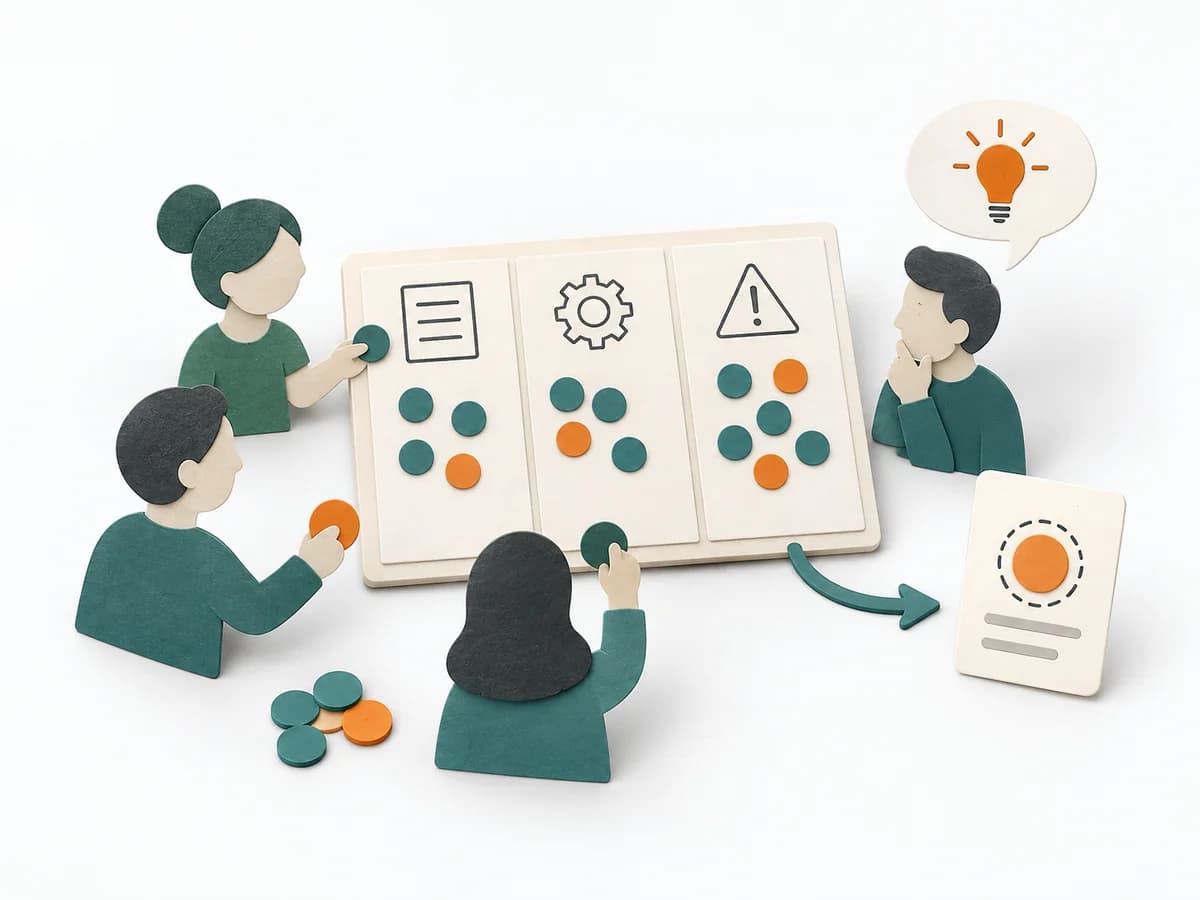 Facilitation Dot Estimation | 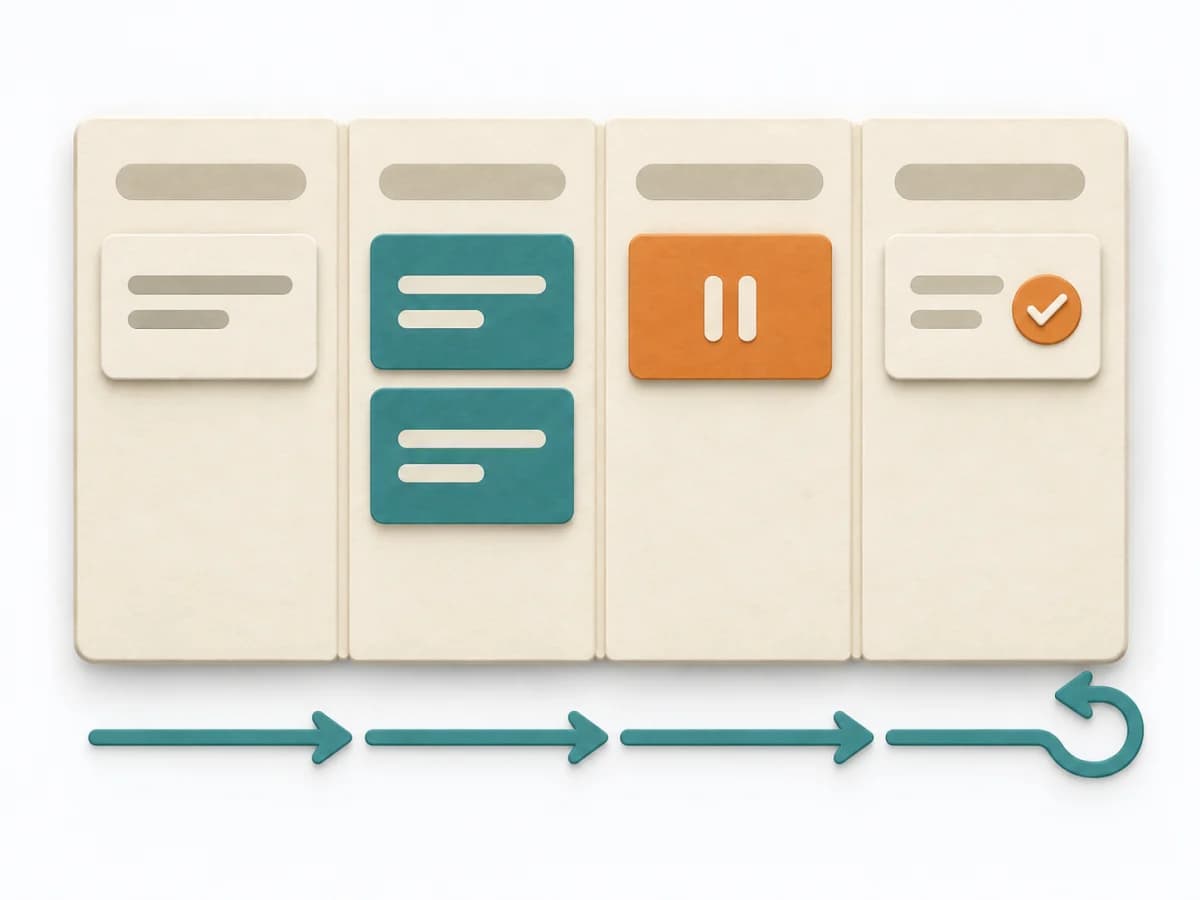 Engineering Kanban | 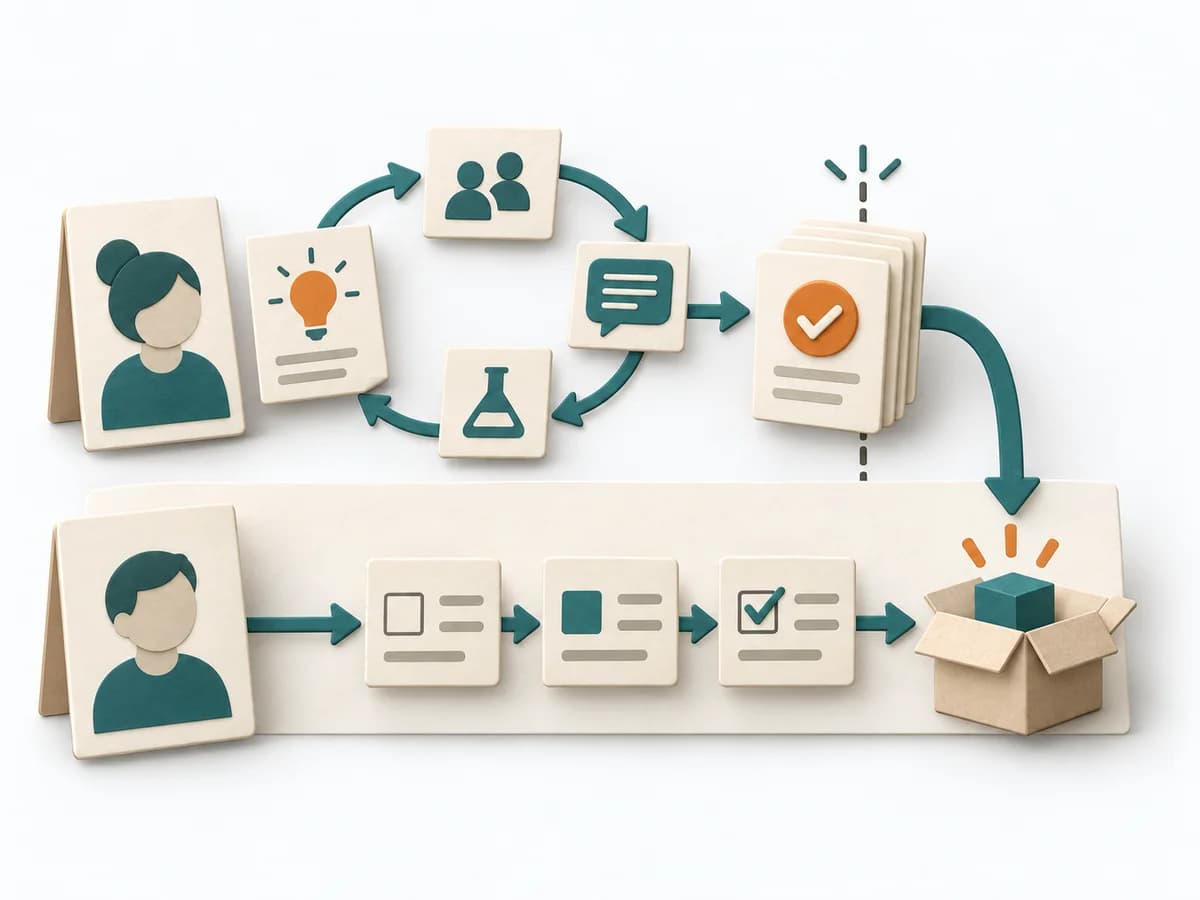 Product Discovery Dual-Track Agile | 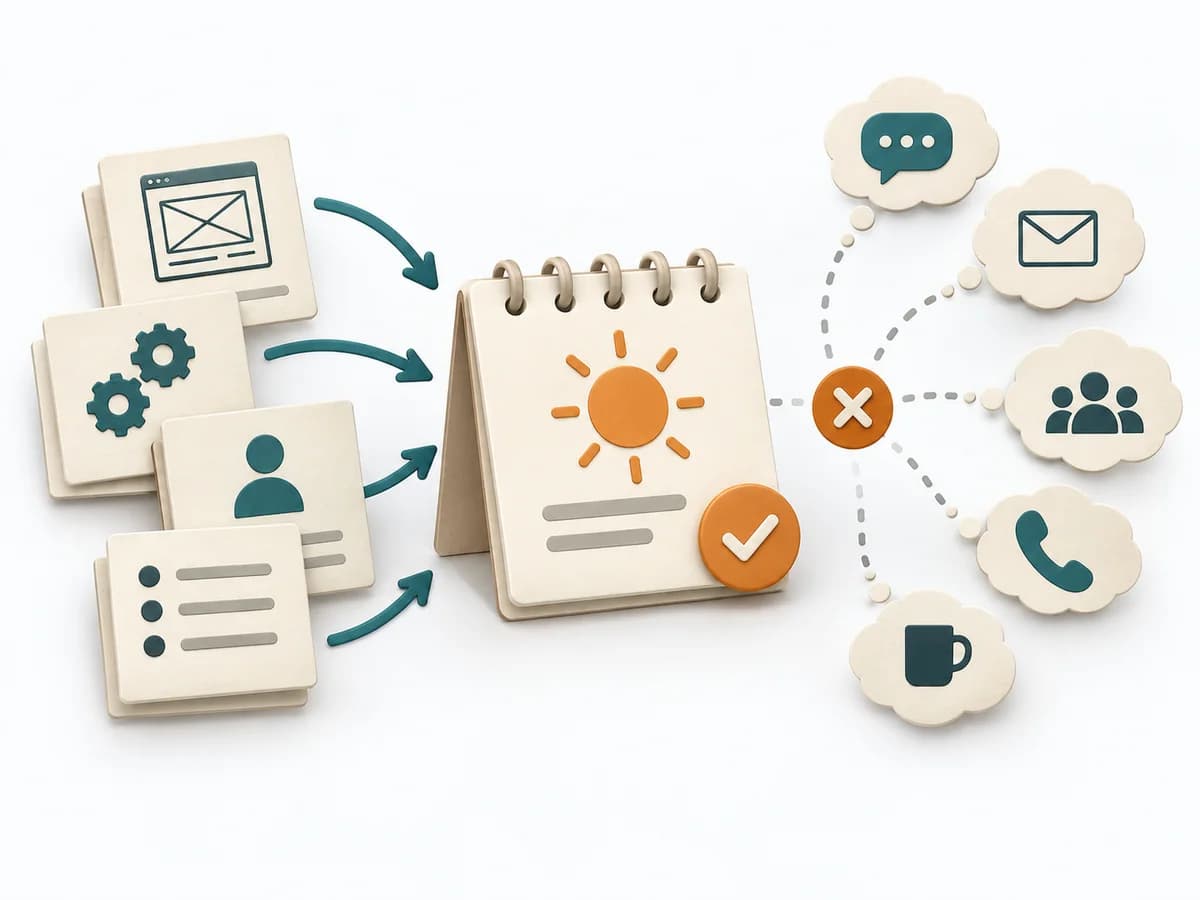 Agile Ideal Days |
|---|---|---|---|---|
Purposedifferent | When size or effort can only be estimated roughly, Dot Estimation condenses the group's experience into a quick range. It turns individual contributions into a visible selection. The result is captured as an Effort Heatmap, Risk Signals, and Discussion Targets. | When work sits in too many parallel streams, throughput suffers and no one sees the bottlenecks. Kanban makes the flow of work visible and limits overload so a system becomes calmer and more predictable. | When uncertainty and delivery run in parallel, it separates learning work from implementation while keeping both connected. It prevents unvalidated ideas from falling directly into the delivery stream. | When effort needs to be thought of as real working time, it offers a simple common denominator for comparison. It sorts work by value, risk, and delivery ability. The result is captured as Ideal Day Estimates, Assumption Notes, and Capacity Caveats. |
Complexitydifferent | Low | Medium | Medium | Low |
Timedifferent | 5-20 min | Ongoing | Laufend, Wochen bis Monate | 15-60 min |
Participantsdifferent | 3-20 | 2-12 | 4-10 | 2-9 |
Formatdifferent | Workshop | Workshop + async | Workshop + async | Workshop + async |
Outputdifferent | Effort Heatmap, Risk Signals, Discussion Targets | Kanban board, WIP policies, Flow metrics | Discovery Backlog, Delivery Backlog, Experiment-Ergebnisse, Validierte Stories | Ideal Day Estimates, Assumption Notes, Capacity Caveats |
Tagsno overlap | EstimationEffortRisk | FlowVisual managementDelivery | AgileDiscoveryDelivery | EstimationEffortAgile |