View methods side by side.
Choose up to four methods. Add them using the search and share the comparison by copying its link.
| Criterion |  Facilitation Dot Estimation | 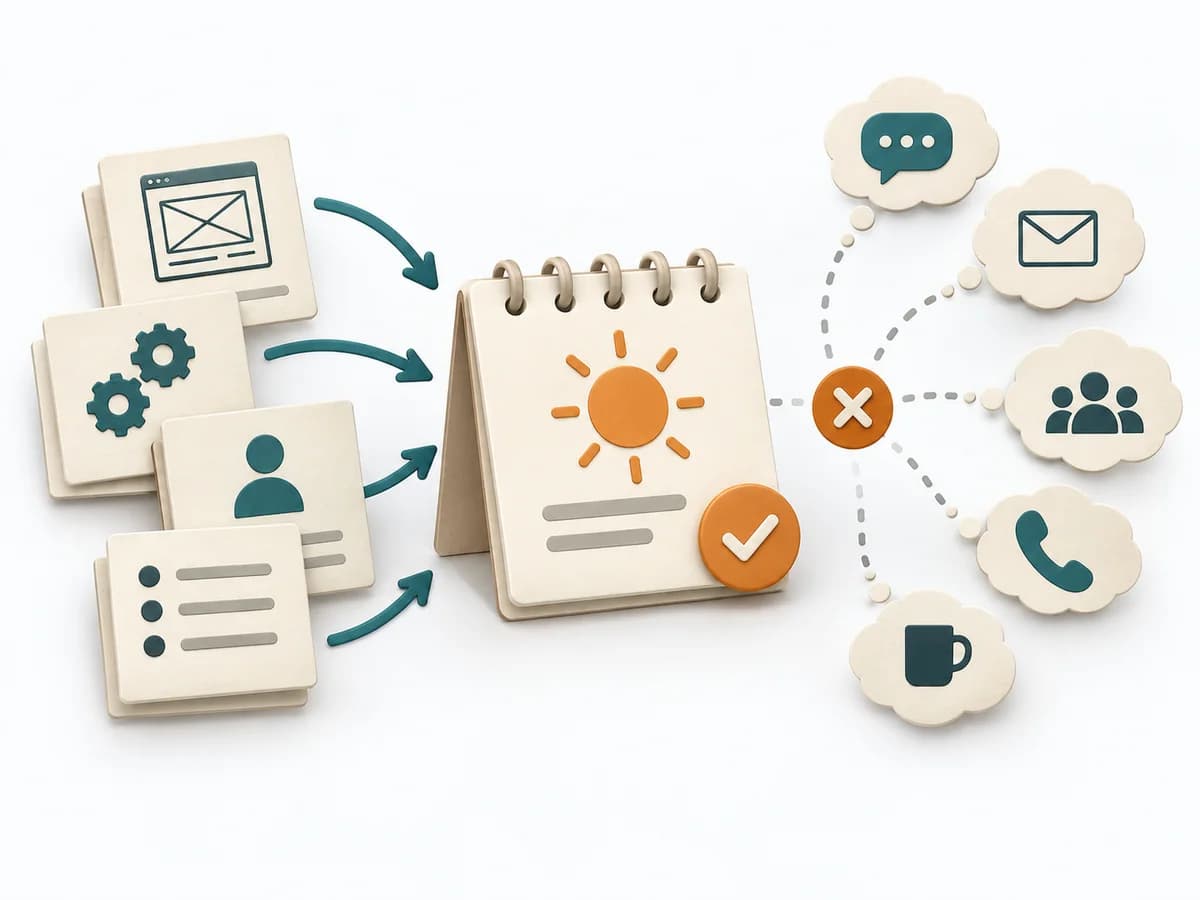 Agile Ideal Days | 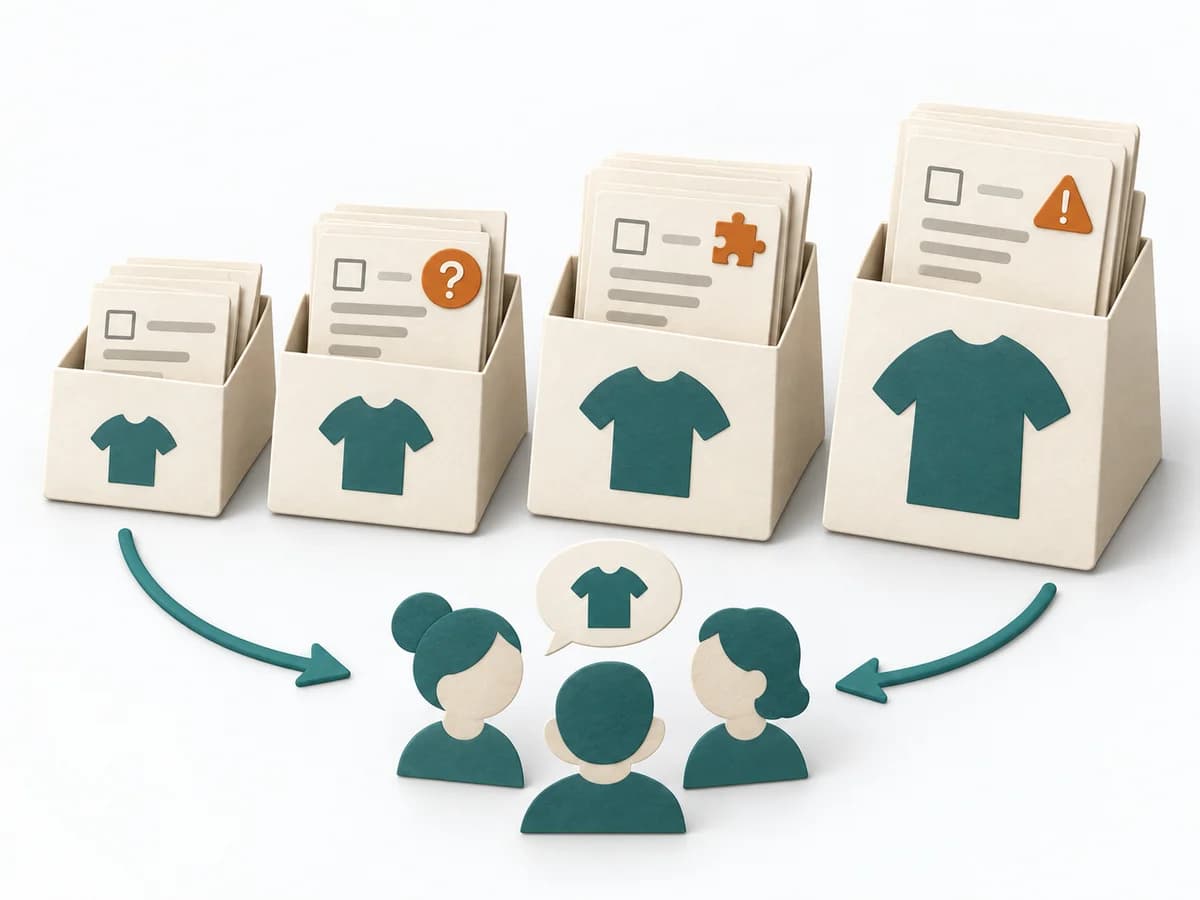 Agile T-Shirt Sizing |  Agile Story Points |
|---|---|---|---|---|
Purposedifferent | When size or effort can only be estimated roughly, Dot Estimation condenses the group's experience into a quick range. It turns individual contributions into a visible selection. The result is captured as an Effort Heatmap, Risk Signals, and Discussion Targets. | When effort needs to be thought of as real working time, it offers a simple common denominator for comparison. It sorts work by value, risk, and delivery ability. The result is captured as Ideal Day Estimates, Assumption Notes, and Capacity Caveats. | When effort only needs to be classified roughly, it makes comparability more important than false precision. It helps sort work quickly into manageable sizes. | When teams want to rate complexity rather than hours, it creates a shared, relative scale. It sorts work by value, risk, and delivery ability. The result is captured as Point Estimates, Reference Stories, and Velocity Data. |
Complexitydifferent | Low | Low | Low | Medium |
Timedifferent | 5-20 min | 15-60 min | 15-45 min | laufend, 1-5 min je Item |
Participantsdifferent | 3-20 | 2-9 | 2-12 | 3-9 |
Formatdifferent | Workshop | Workshop + async | Workshop + async | Workshop + async |
Outputdifferent | Effort Heatmap, Risk Signals, Discussion Targets | Ideal Day Estimates, Assumption Notes, Capacity Caveats | Size Buckets, Rough Backlog Map, Split Candidates | Point Estimates, Reference Stories, Velocity Data |
Tags1 shared | EstimationEffortRisk | EstimationEffortAgile | EstimationAgileRoadmap | EstimationAgileMeasurement |