View methods side by side.
Choose up to four methods. Add them using the search and share the comparison by copying its link.
| Criterion |  Facilitation Dot Estimation |  Operations Family Tree Analysis | 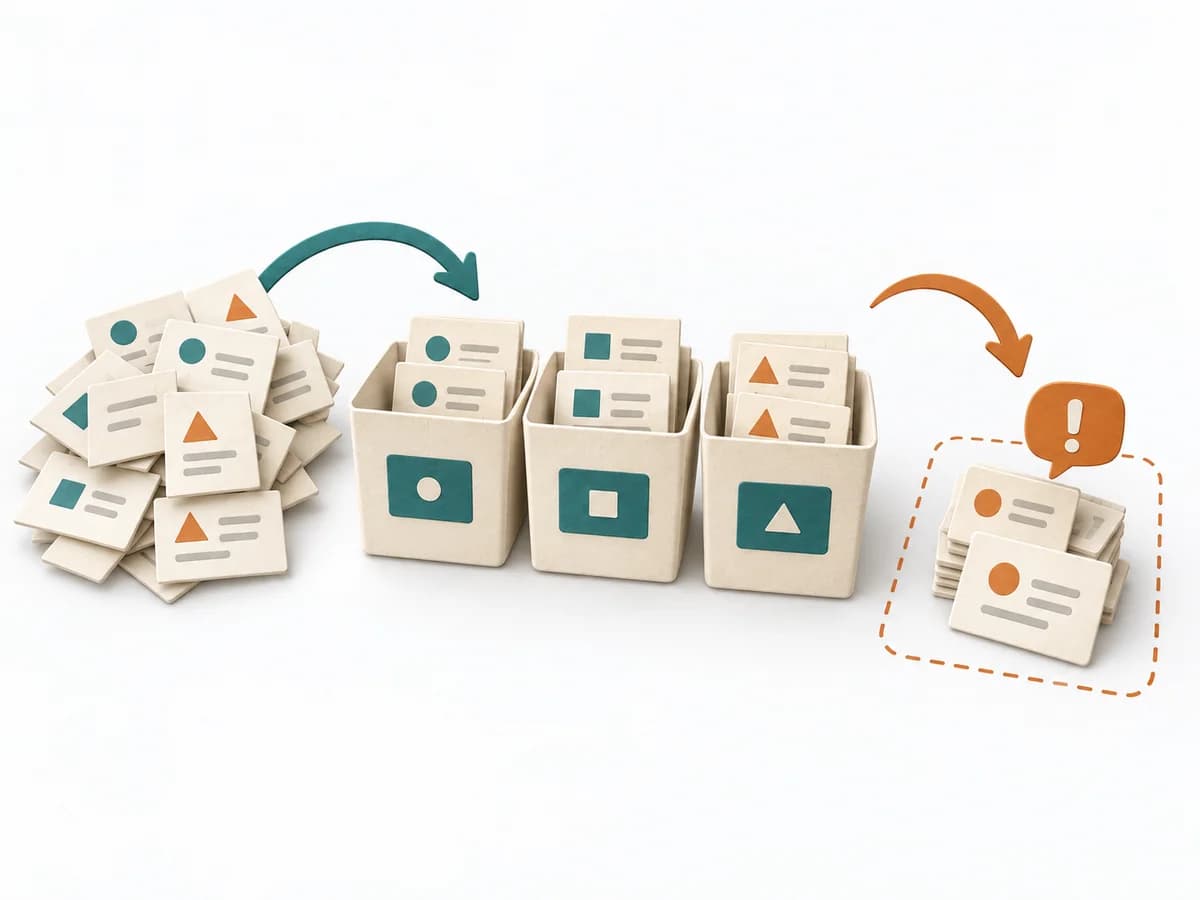 Agile Bucket System | 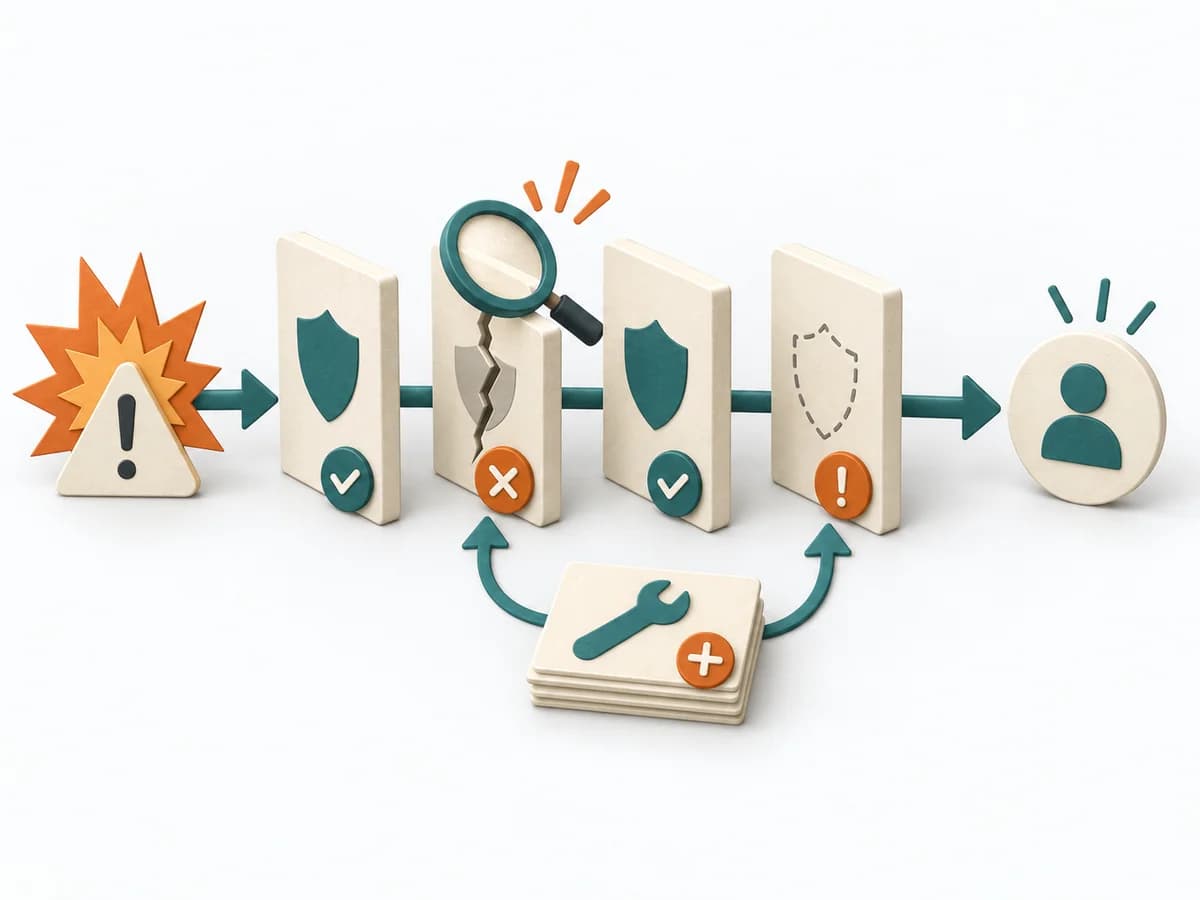 Operations Barrier Analysis |
|---|---|---|---|---|
Purposedifferent | When size or effort can only be estimated roughly, Dot Estimation condenses the group's experience into a quick range. It turns individual contributions into a visible selection. The result is captured as an Effort Heatmap, Risk Signals, and Discussion Targets. | For a series of incidents with a similar pattern, the method arranges individual events as branches of a common origin. It makes visible which conditions keep recurring. | When a large batch of work needs a fast, rough estimate, it sorts items into predefined size buckets. It sorts work by value, risk, and delivery ability. The result is captured as a Bucketed Backlog, Relative Estimates, and Split Candidates. | For a risk that can only be managed through multiple layers of protection, the method examines the effectiveness of each barrier. It shows where safeguards are missing, too weak, or fail under real conditions. |
Complexitydifferent | Low | Medium | Medium | Medium |
Timedifferent | 5-20 min | 2-4 h | 30-90 min | 2-4 h |
Participantsdifferent | 3-20 | 2-6 | 3-12 | 2-6 |
Formatdifferent | Workshop | Workshop + async | Workshop | Workshop + async |
Outputdifferent | Effort Heatmap, Risk Signals, Discussion Targets | Family Tree Diagram, Pattern Notes, Systemic Measures | Bucketed Backlog, Relative Estimates, Split Candidates | Barrier Inventory, Failure Analysis per Barrier, Action Backlog |
Tagsno overlap | EstimationEffortRisk | Root causePatternsIncidentSystemic | EstimationBacklogRelative sizing | Root causeSafetyIncident |