View methods side by side.
Choose up to four methods. Add them using the search and share the comparison by copying its link.
| Criterion | 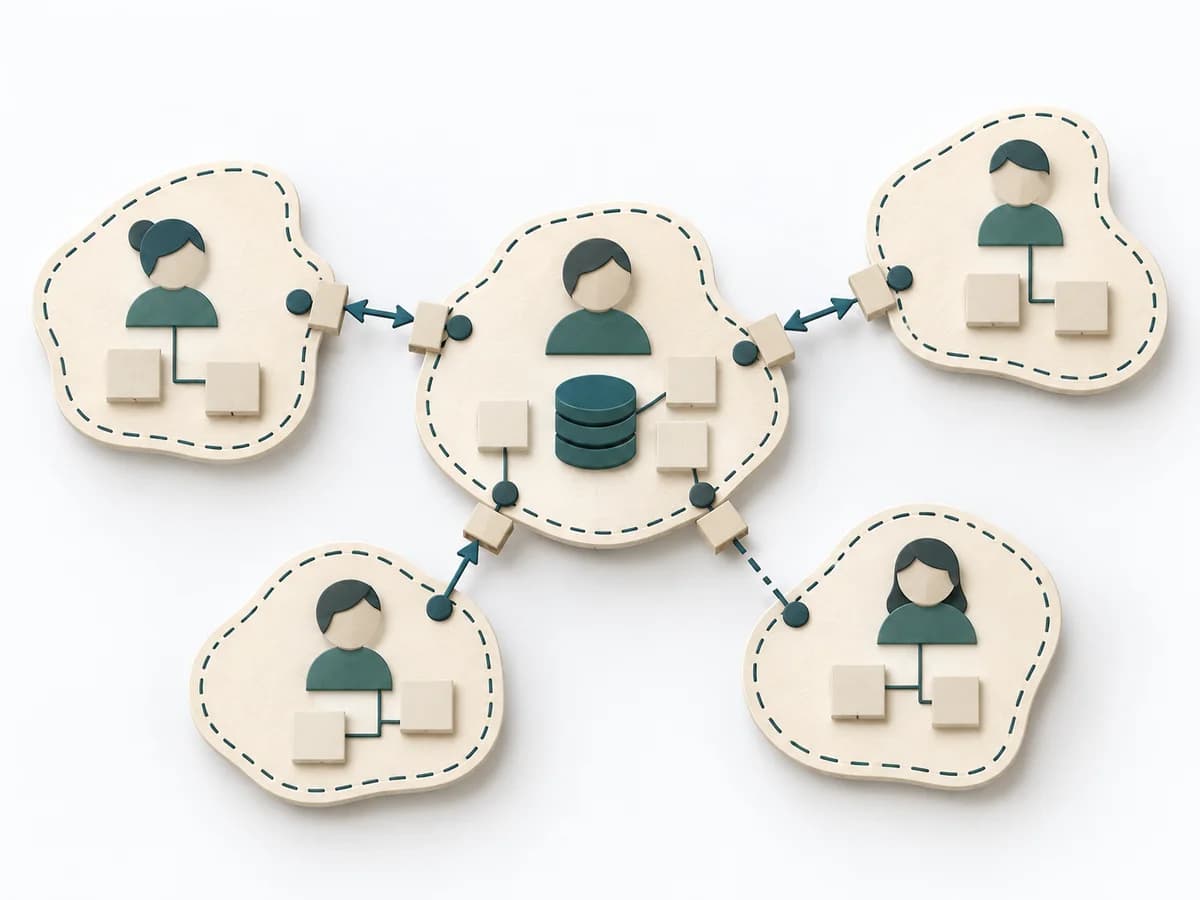 Domain Modeling Domain Context Map | 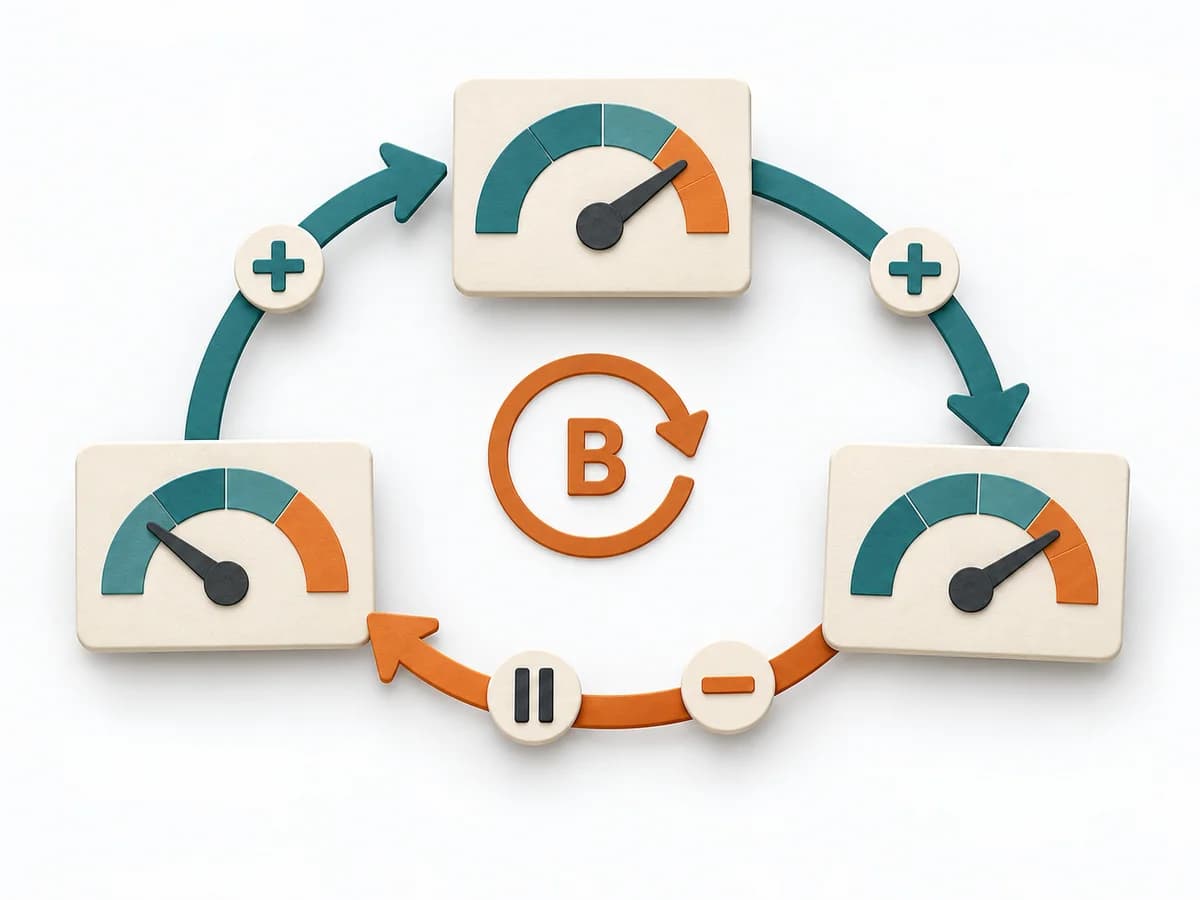 Systems Thinking Causal Loop Diagram |  Domain Modeling Context Map | 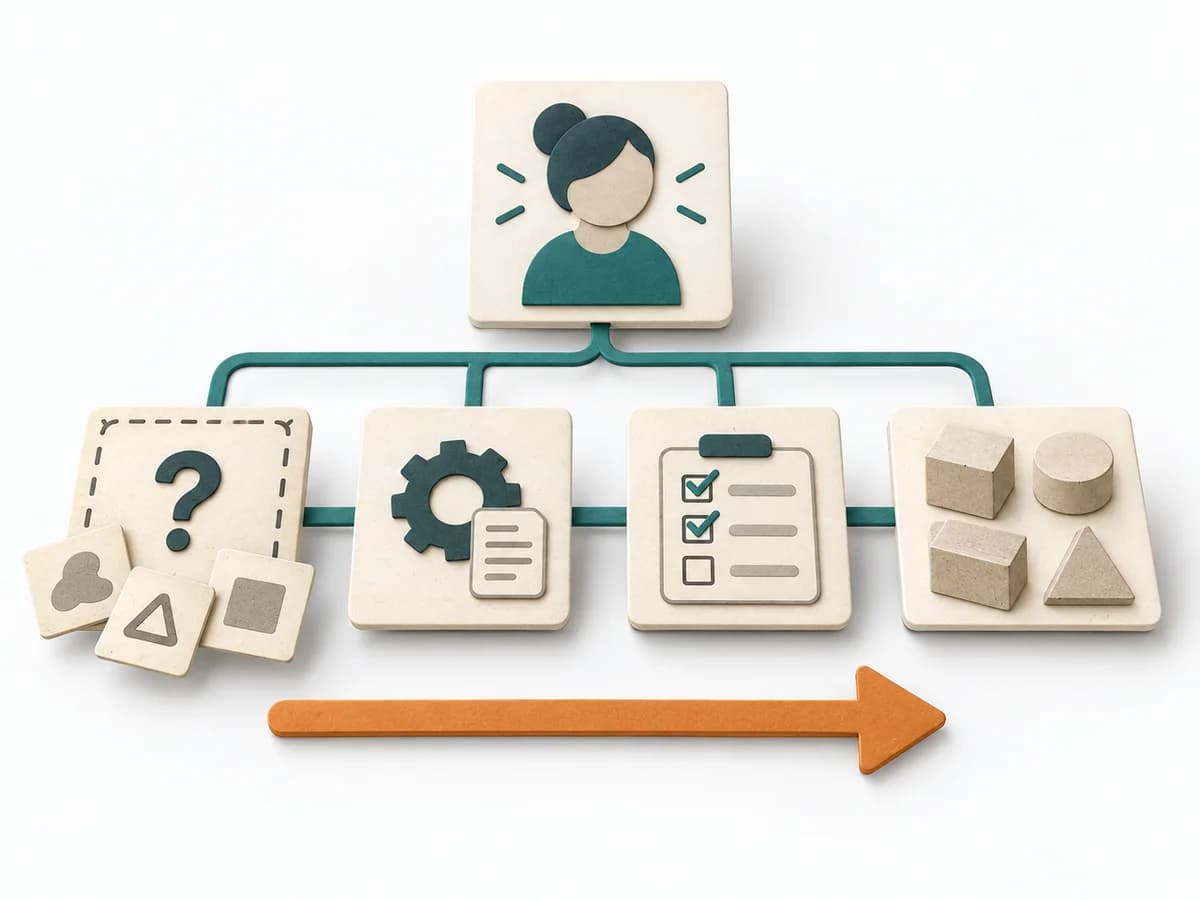 Systems Thinking Wardley Mapping |
|---|---|---|---|---|
Purposedifferent | When a domain model and its associated contexts need to be thought through together, it creates a shared overview. It connects the business view and organizational boundary into a readable whole. | A Causal Loop Diagram makes feedback, reinforcement, and balance in a system legible. It uncovers side effects and self-reinforcement that stay hidden in linear explanations. | When several contexts need to talk to each other, it makes their relationships and dependencies legible. It helps sort integration pressure and responsibilities across system boundaries. | Wardley Mapping makes visible where an offering stands today and where it can evolve. The method connects user need, value chain, and evolution stages into a strategic basis for platform, build, or buy decisions. |
Complexitysame | Medium | Medium | Medium | Medium |
Timesame | 1-3 h | 1-3 h | 1-3 h | 1-3 h |
Participantsdifferent | 3-10 | 2-8 | 2-8 | 2-10 |
Formatdifferent | Workshop | Workshop | Workshop + async | Workshop + async |
Outputdifferent | Domain Context Map, Boundary Notes, Ownership Map | Causal Loop Diagram, Feedback Notes, Leverage Points | Context Map, Integration Patterns, Boundary Notes | Wardley Map, Strategic Options, Evolution Notes |
Tagsno overlap | Domain-Driven DesignContextBoundaries | FeedbackSystems thinkingCausalityDynamics | Domain-Driven DesignBoundariesStrategy | StrategySystems thinkingDynamics |