View methods side by side.
Choose up to four methods. Add them using the search and share the comparison by copying its link.
| Criterion |  Operations DMAIC | 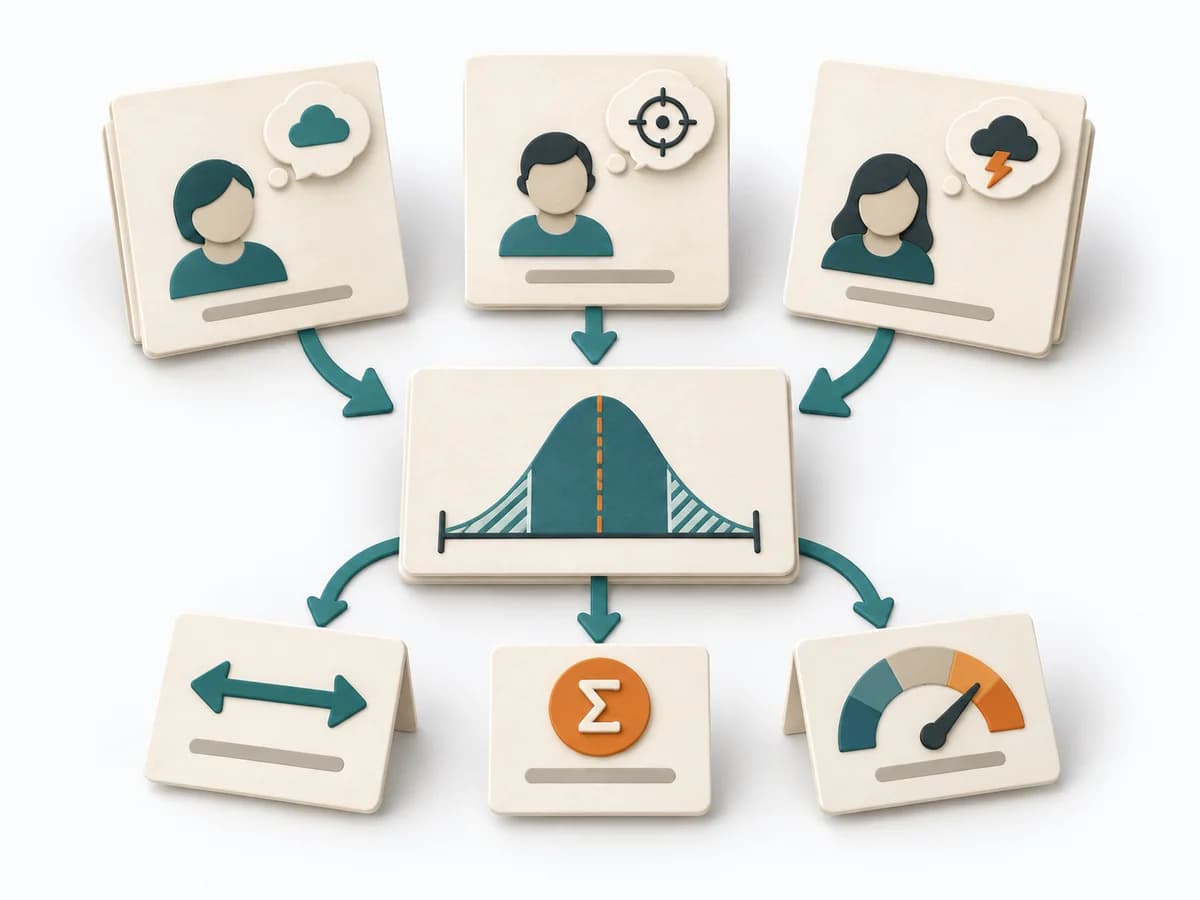 Decision Making Three-Point Estimation | 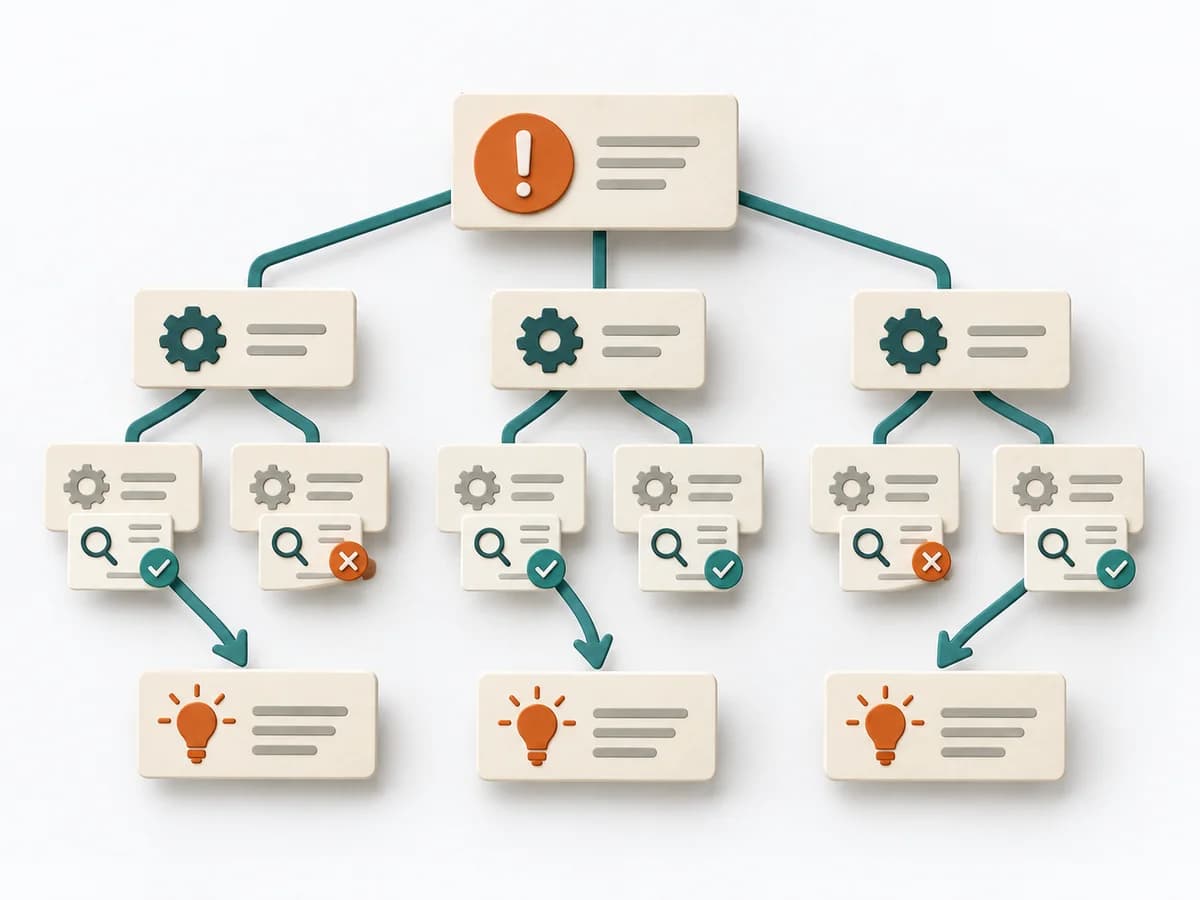 Operations Root Cause Tree Analysis | 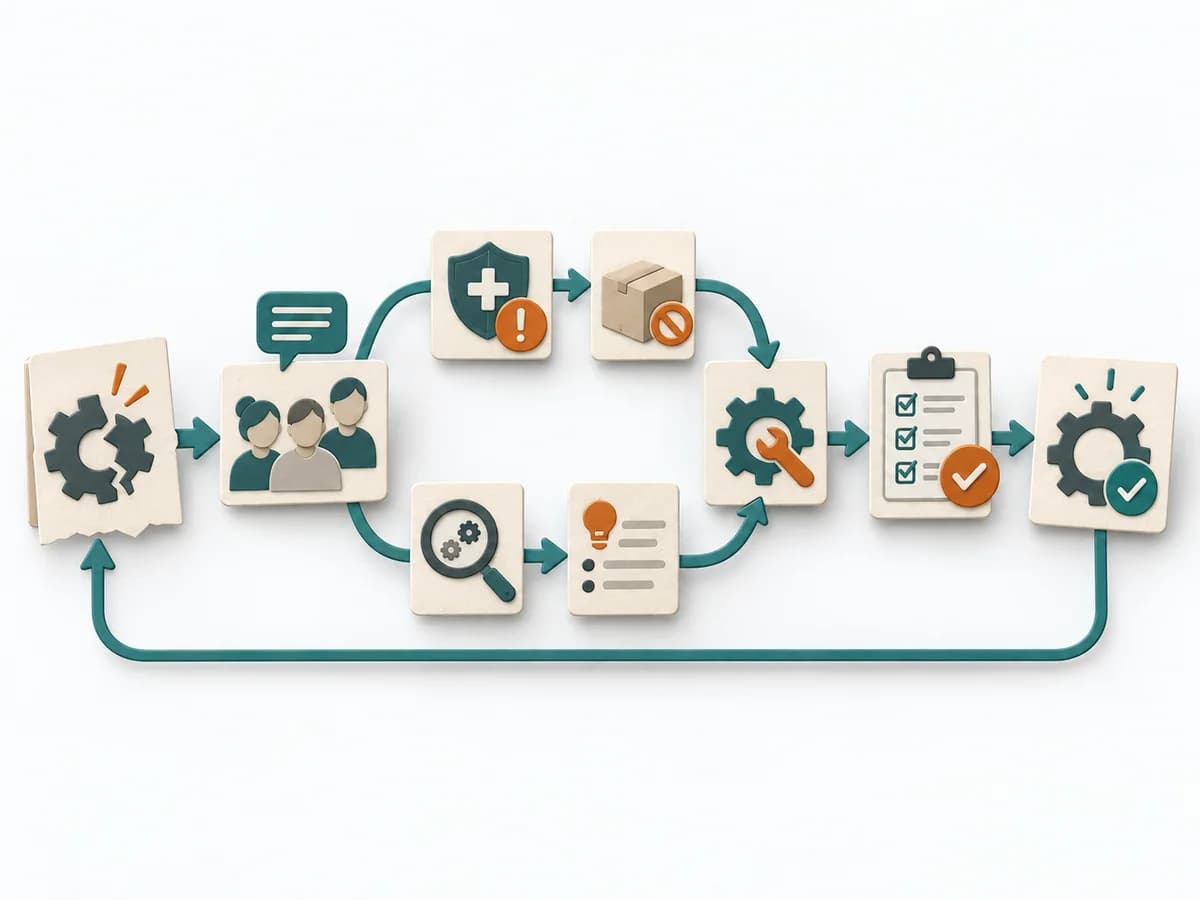 Operations 8D Problem Solving |
|---|---|---|---|---|
Purposedifferent | For a process problem with fluctuating performance, the method brings analysis and improvement into a disciplined sequence. It creates a framework in which numbers, causes, and control come together. | A single estimate for effort, time, or risk often looks too smooth for the real uncertainty behind it. It separates options, evaluation criteria, and open risks. The result is captured as a Three-Point Estimate, Risk Range, and Assumption Notes. | For a problem with several suspected causes, the method builds a causal structure instead of a mere list. It makes visible how causes connect and where the strongest points of leverage lie. | For an acute quality or delivery problem, the method structures immediate protection and root cause work together. It keeps the situation stable while the actual cause is investigated cleanly. |
Complexitydifferent | High | Medium | Medium | High |
Timedifferent | 2-12 Wochen | 10-30 min je Item | 1-3 h | 1-6 Wochen |
Participantsdifferent | 3-10 | 1-8 | 2-8 | 4-10 |
Formatdifferent | Workshop + async | Workshop + async | Workshop | Workshop + async |
Outputdifferent | Project Charter, Measurement Plan, Cause Analysis, Control Plan | Three-Point Estimate, Risk Range, Assumption Notes | Cause Tree, Evidence Notes, Countermeasures | 8D Report, Containment Plan, Root Cause Evidence, Corrective Action Plan |
Tagsno overlap | Continuous improvementQualityProcess improvement | EstimationUncertaintyForecasting | Root causeTreeIncidentQuality | QualityProblem solvingRoot cause |