View methods side by side.
Choose up to four methods. Add them using the search and share the comparison by copying its link.
| Criterion |  UX Research Diary Study | 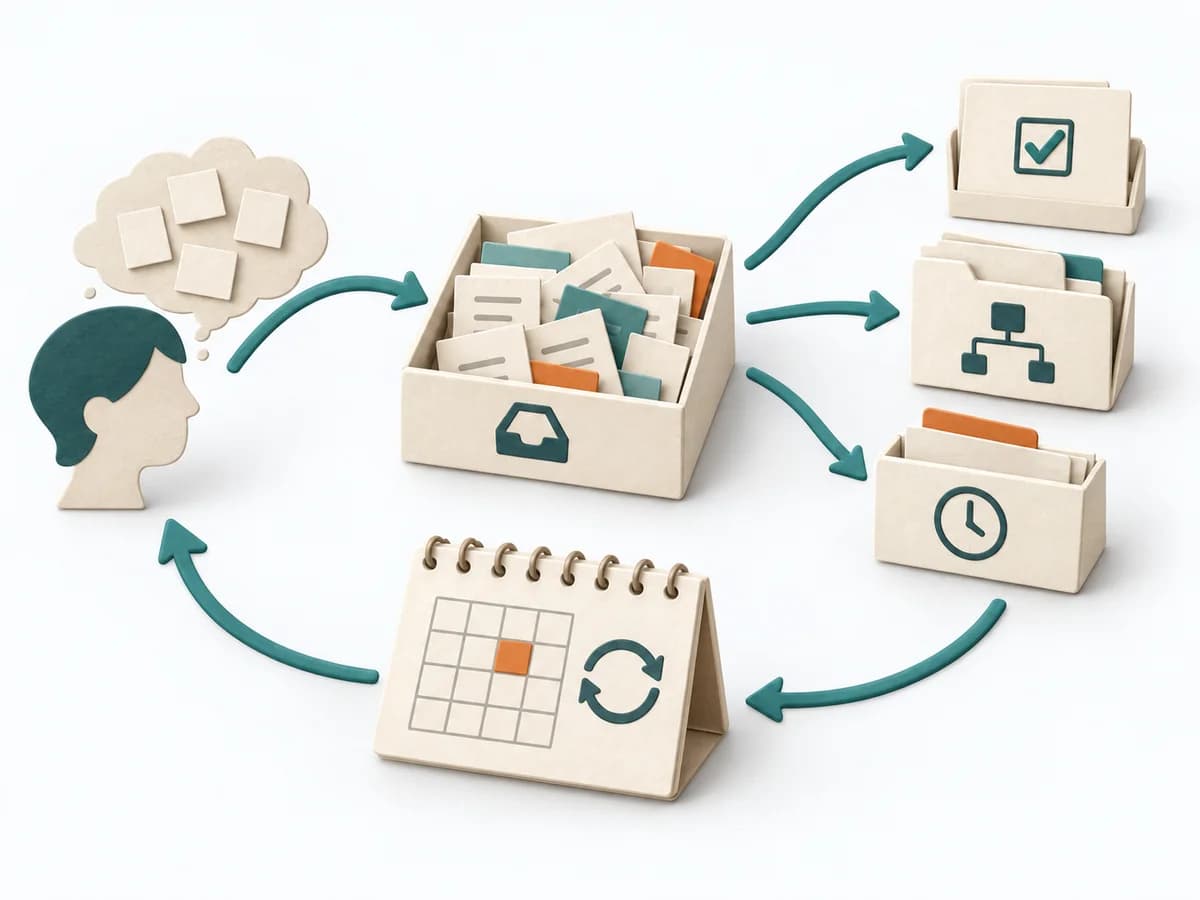 Operations Getting Things Done | 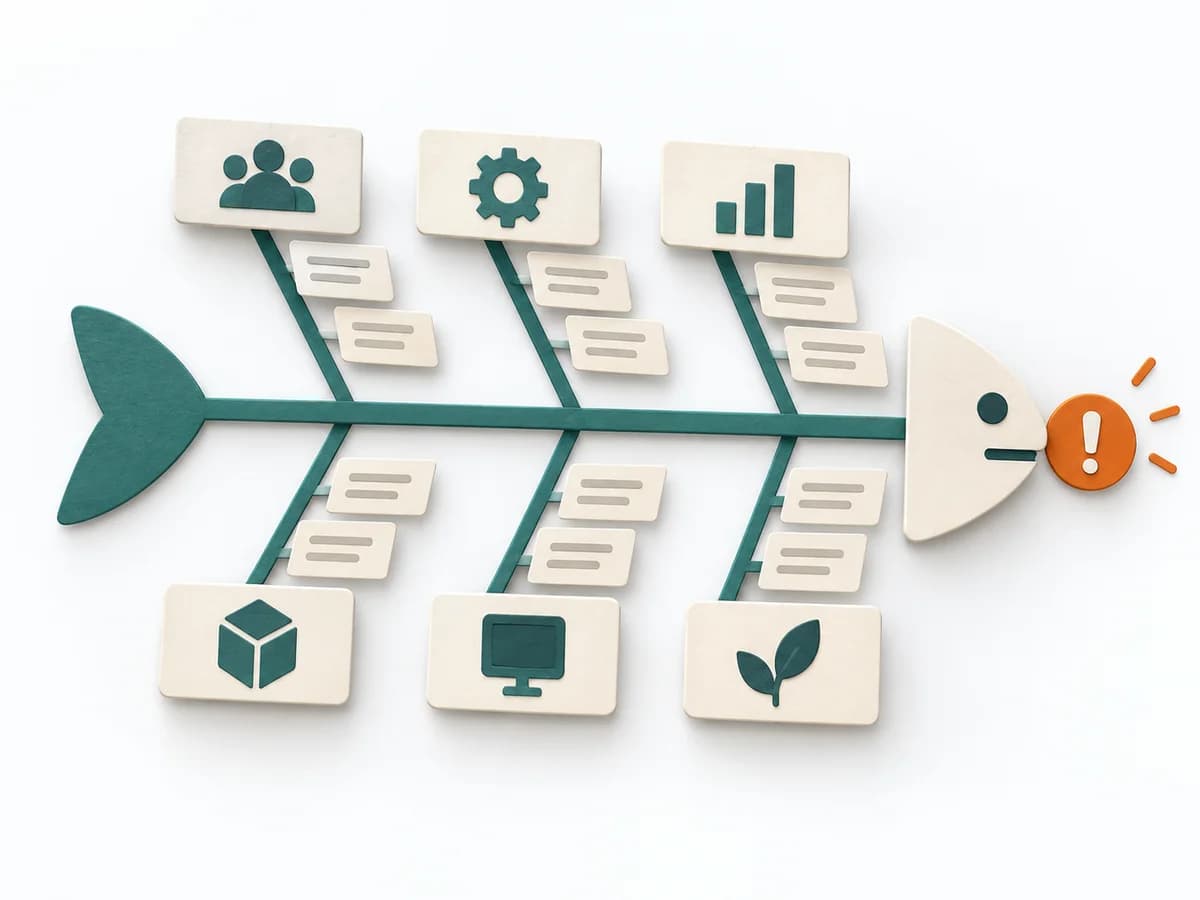 Operations Fishbone Diagram | 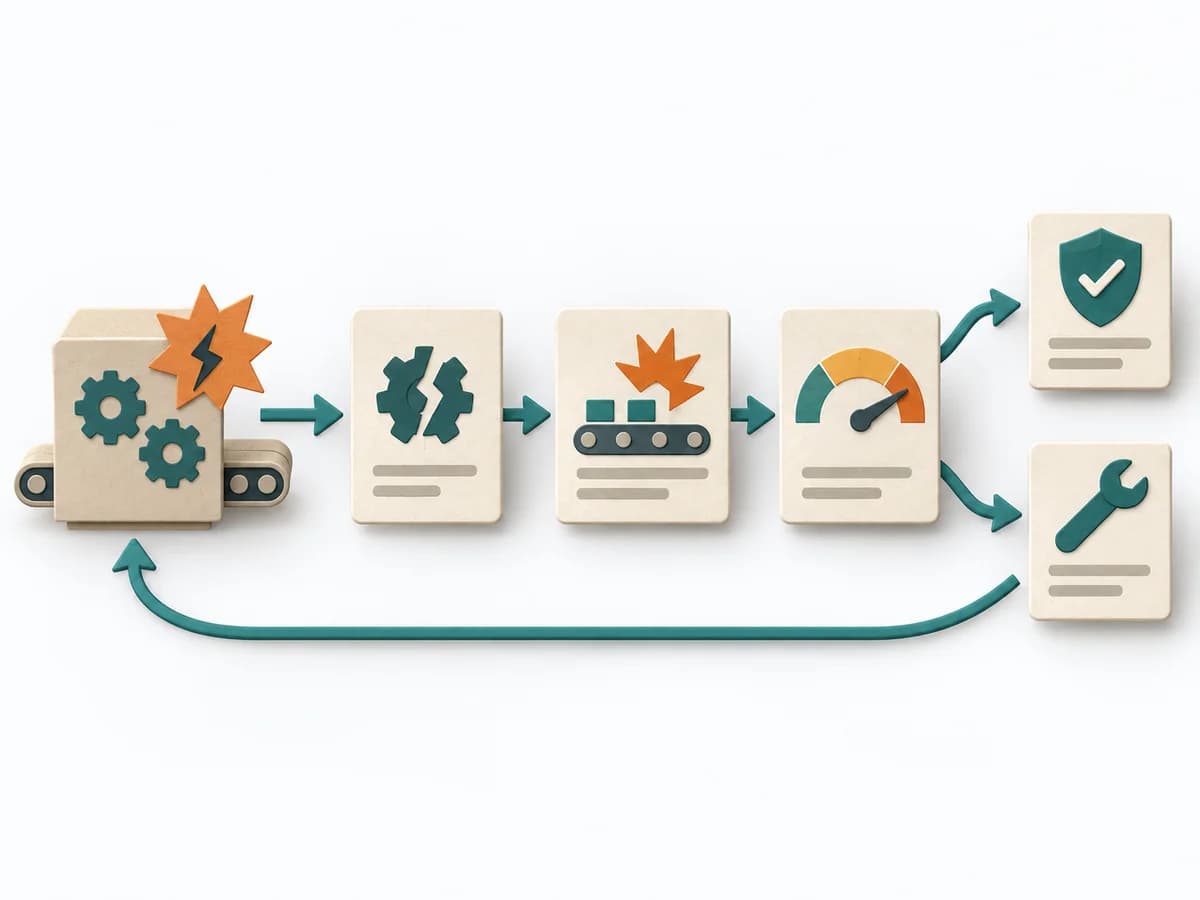 Operations Failure Mode and Effects Analysis |
|---|---|---|---|---|
Purposedifferent | When experiences build up over days or weeks and a single session cannot capture them, Diary Study records the course of everyday life. Recurring triggers, moods, and habits become visible this way, beyond the sharpness of memory. | With many open commitments and ideas in daily life, a reliable external storage system emerges. The method relieves the mind so priority and context don't have to compete in memory. | When a problem has several possible contributing factors, the method sorts causes by cause areas. It prevents an initial hunch from blocking the view of other plausible drivers. | For a process, product, or service with noticeable failure risks, the method assesses possible failure modes in advance. It directs attention to combinations of occurrence, effect, and detectability. |
Complexitydifferent | Medium | Medium | Low | High |
Timedifferent | 1-4 Wochen | 1-2 h Setup, laufend | 30-60 min | 2-6 h |
Participantsdifferent | 5-20 | 1 | 2-8 | 3-10 |
Formatdifferent | Async | Async | Workshop | Workshop |
Outputdifferent | Diary Entries, Longitudinal Patterns, Experience Timeline | Action Lists, Project List, Review Routine | Fishbone Diagram, Cause Categories, Investigation Backlog | FMEA Table, Risk Priority, Mitigation Actions |
Tagsno overlap | UX researchTrackingBehavior | ProductivityPlanningTasksExecution | Root causeQualityOperations | RiskQualityOperationsRoot cause |