View methods side by side.
Choose up to four methods. Add them using the search and share the comparison by copying its link.
| Criterion |  UX Research Diary Study | 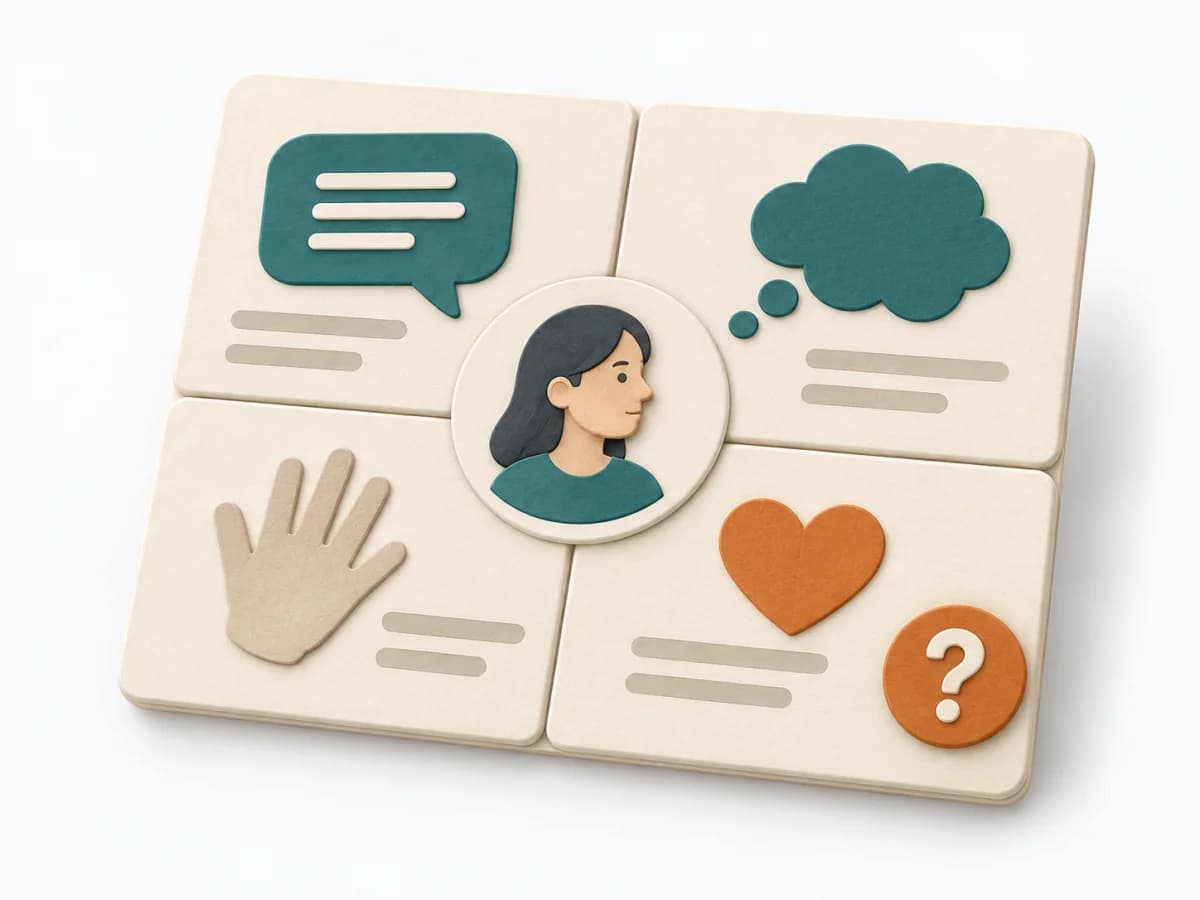 UX Research Empathy Mapping | 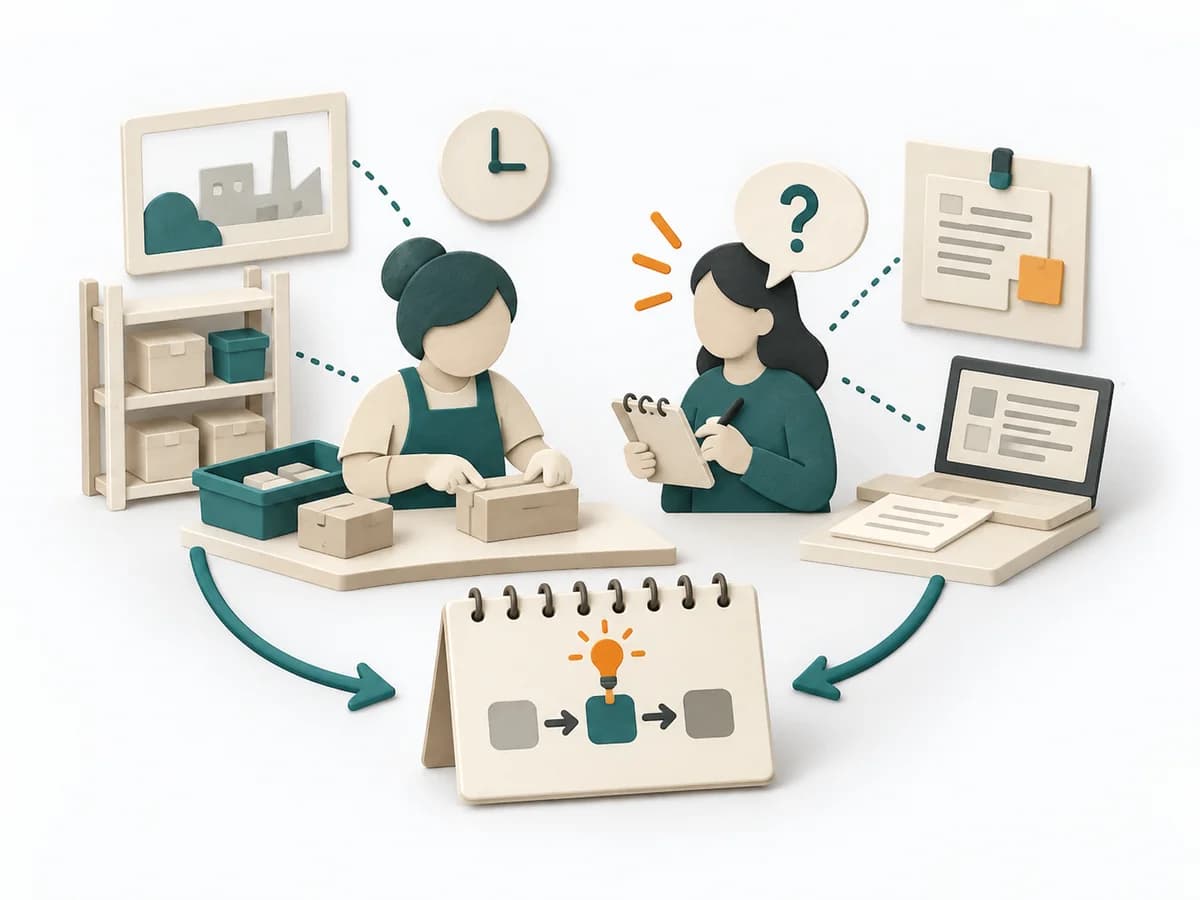 UX Research Contextual Inquiry | 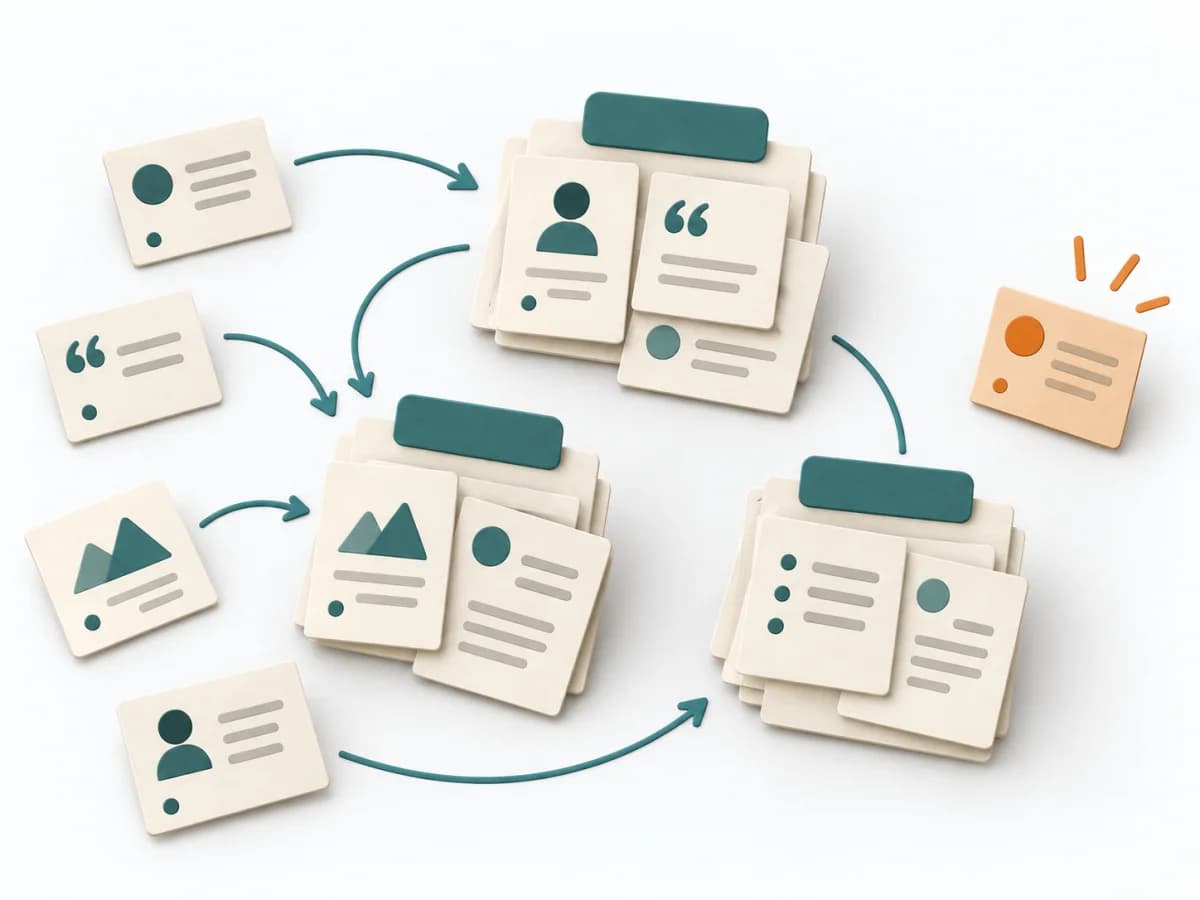 UX Research Affinity Diagramming |
|---|---|---|---|---|
Purposedifferent | When experiences build up over days or weeks and a single session cannot capture them, Diary Study records the course of everyday life. Recurring triggers, moods, and habits become visible this way, beyond the sharpness of memory. | When a lot is assumed about a target group but little is seen jointly, empathy mapping makes knowledge and gaps directly comparable. The picture also shows which assumptions hold up and where evidence is missing. | When work processes are known only from accounts and the real context stays hidden, Contextual Inquiry makes behavior at the workplace visible. Observation and follow-up questions together show how people actually work, get interrupted, and improvise. | When research notes, feedback, or observations sit unconnected side by side, affinity diagramming sorts the raw material into solid themes. Many individual points turn into patterns that make decisions and opportunities clearer. |
Complexitydifferent | Medium | Low | Medium | Low |
Timedifferent | 1-4 Wochen | 30–60 min | 1-3 Wochen | 45–90 min |
Participantsdifferent | 5-20 | 4-8 | 4-12 Beobachtungen | 3-10 |
Formatdifferent | Async | Workshop | Workshop + async | Workshop |
Outputdifferent | Diary Entries, Longitudinal Patterns, Experience Timeline | Empathy Map, Assumptions List, Research Gaps | Field Notes, Workflow Insights, Pain Points | Theme clusters, Insight statements, Opportunity areas |
Tagsno overlap | UX researchTrackingBehavior | SynthesisQualitativeWorkshop | UX researchObservationContext | SynthesisQualitativeRoot cause |