View methods side by side.
Choose up to four methods. Add them using the search and share the comparison by copying its link.
| Criterion |  UX Research Diary Study |  Decision Making Assumption Surfacing | 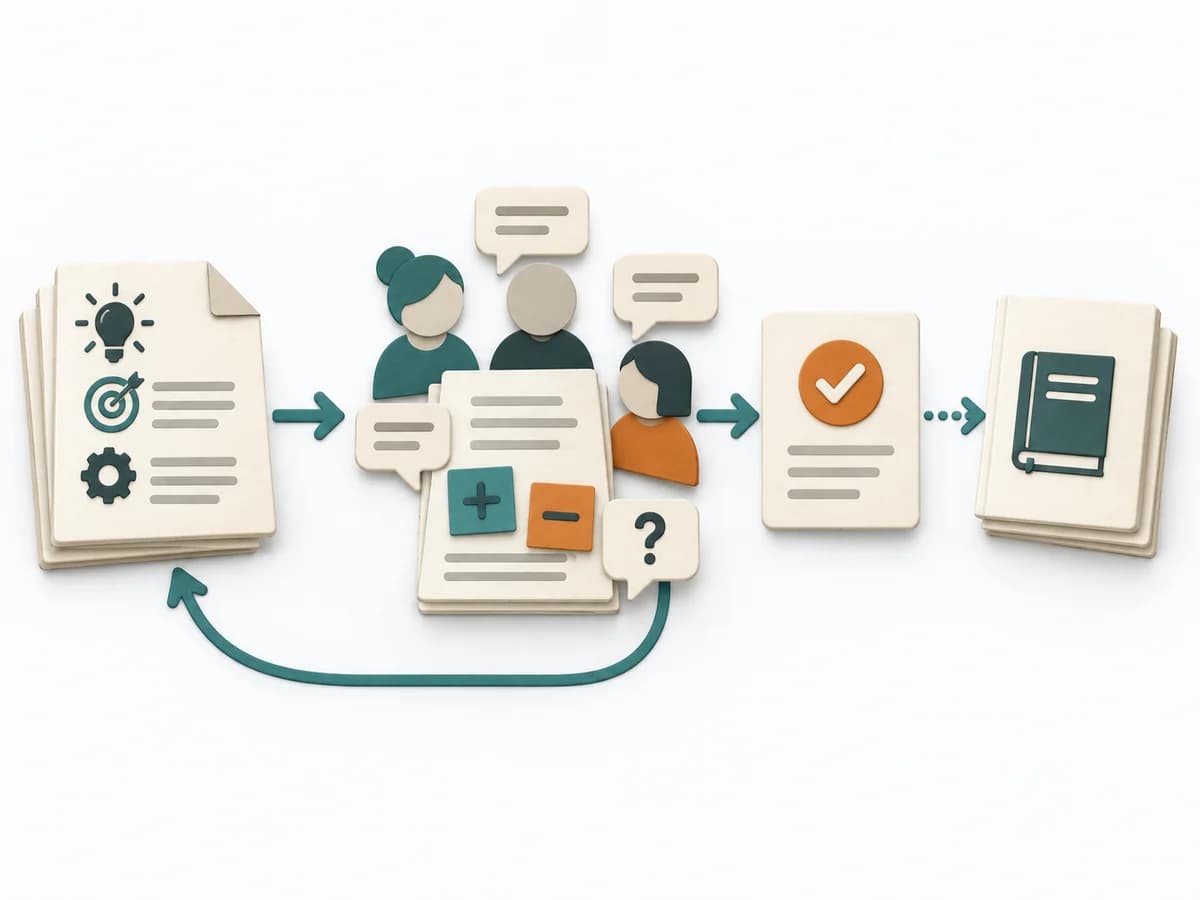 Architecture Request for Comments | 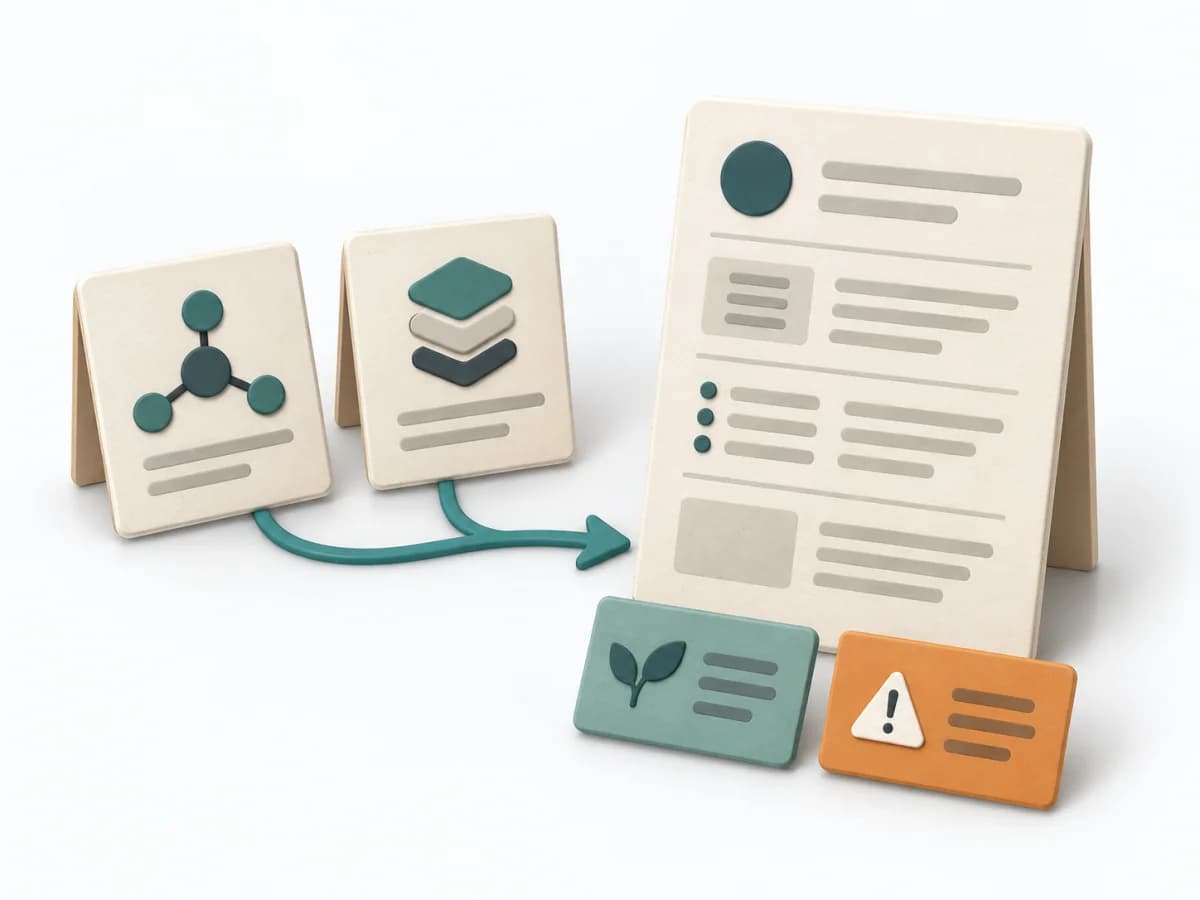 Architecture Architecture Decision Record |
|---|---|---|---|---|
Purposedifferent | When experiences build up over days or weeks and a single session cannot capture them, Diary Study records the course of everyday life. Recurring triggers, moods, and habits become visible this way, beyond the sharpness of memory. | Plans often contain assumptions that were never openly stated and remain dangerous precisely because of that. Assumption Surfacing makes these silent premises visible and prioritizes which of them carry the initiative or could sink it. | An RFC clarifies architecture context, options, and consequences. It structures technical context, alternatives, tradeoffs, open questions, and review feedback, and captures the result as an RFC document, reviewer comments, and a decision rationale. | An ADR permanently records an architecture decision with context, trade-offs, and consequence. It creates continuity for later changes because the decision path stays traceable. |
Complexitydifferent | Medium | Low | Medium | Low |
Timedifferent | 1-4 Wochen | 45-90 min | 1-3 Wochen vom Draft bis zur Entscheidung | 15-45 min |
Participantsdifferent | 5-20 | 2-8 | 3-20 Reviewer | 1-3 |
Formatdifferent | Async | Workshop + async | Async | Async |
Outputdifferent | Diary Entries, Longitudinal Patterns, Experience Timeline | Assumption List, Critical Assumptions, Learning Plan | RFC document, Reviewer comments, Decision rationale, Follow-up ADR or tickets | ADR File, Decision Log, Rationale |
Tagsno overlap | UX researchTrackingBehavior | AssumptionsRiskDecisionDiscovery | ArchitectureDecisionAsyncGovernance | ArchitectureRationaleDocumentationGovernance |