View methods side by side.
Choose up to four methods. Add them using the search and share the comparison by copying its link.
| Criterion | 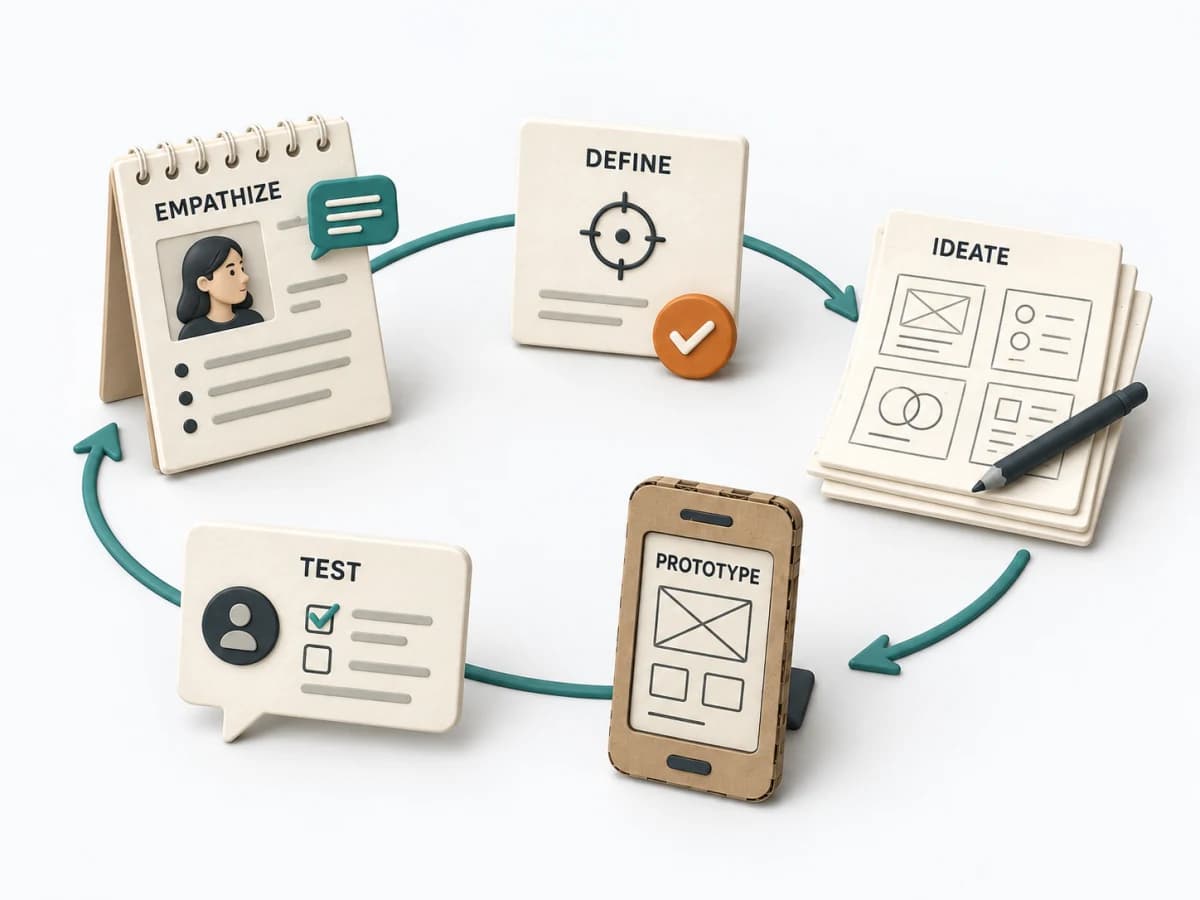 Innovation Design Thinking | 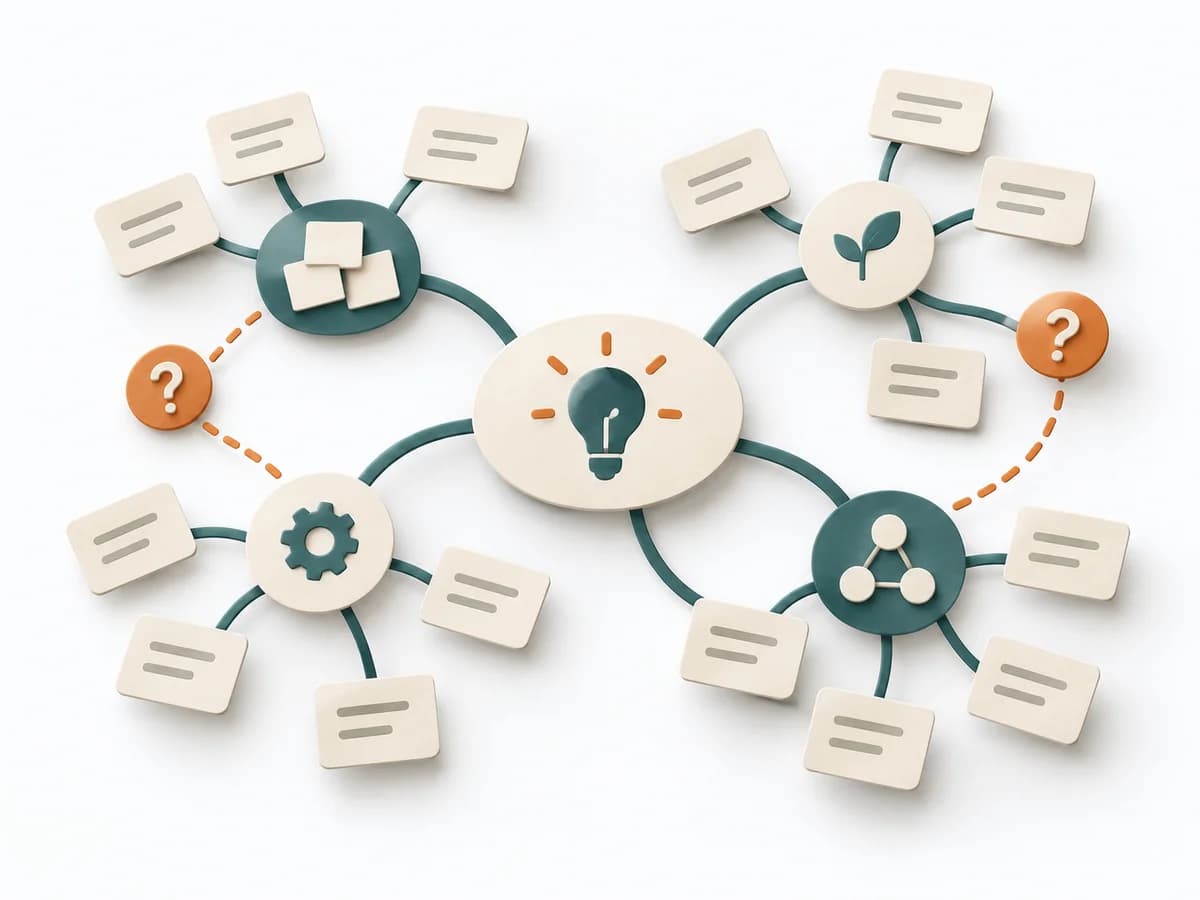 Facilitation Mind Mapping | 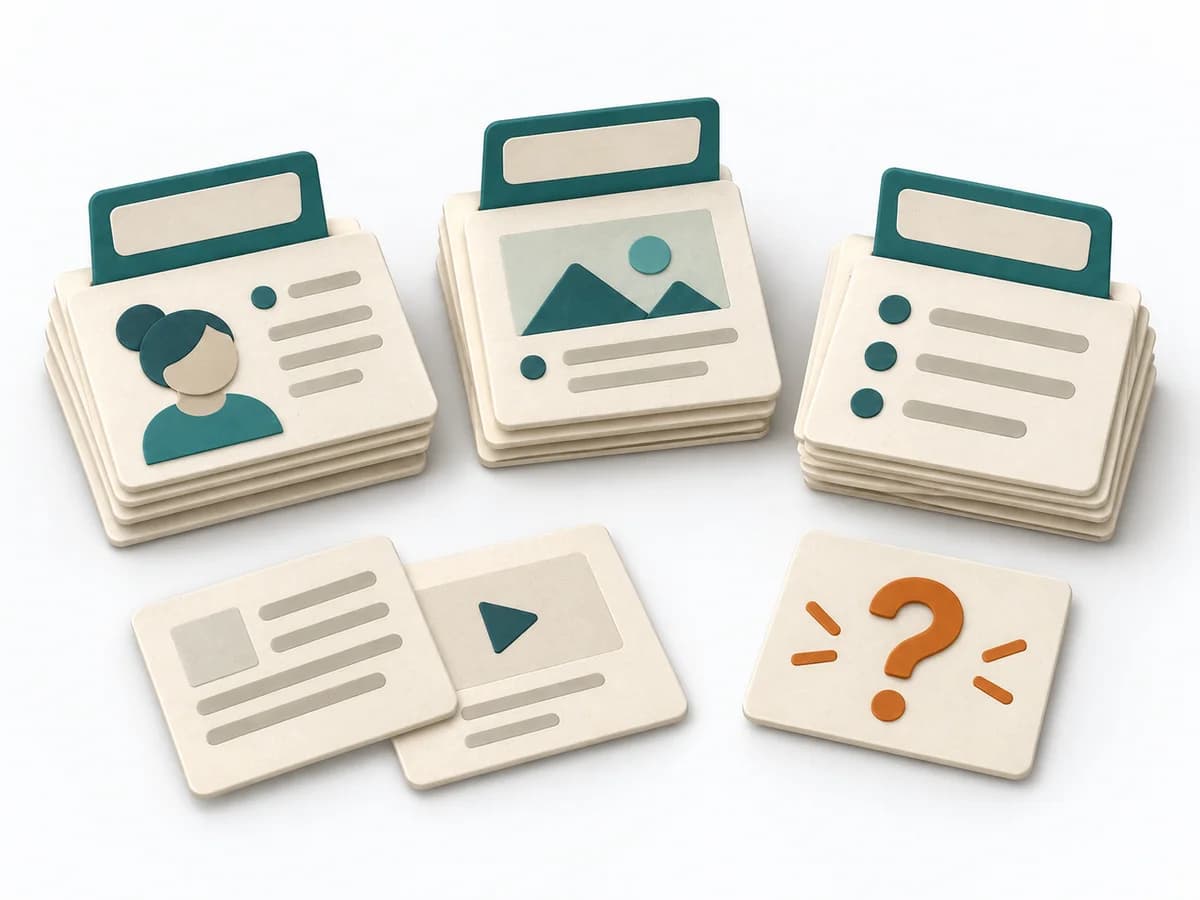 UX Research Card Sorting | 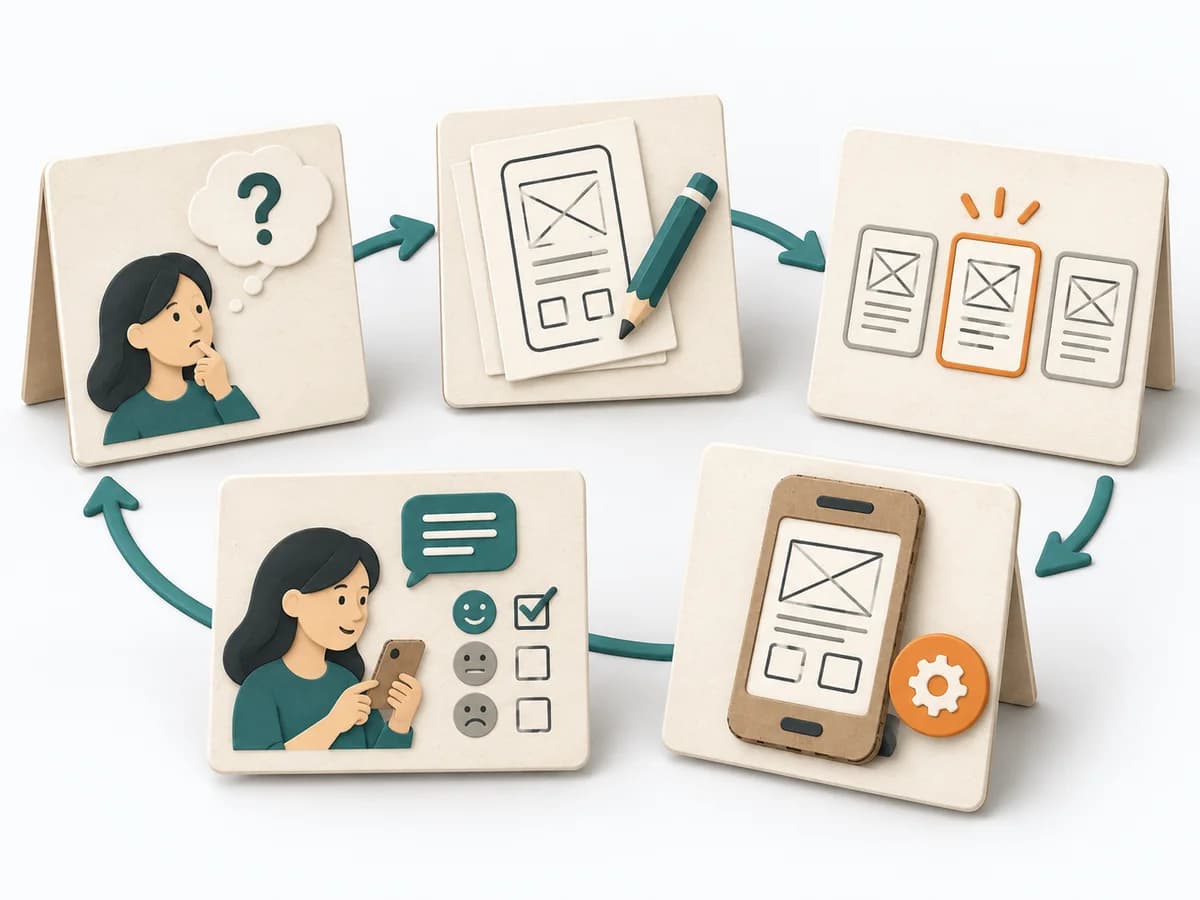 Innovation Design Sprint |
|---|---|---|---|---|
Purposedifferent | For complex user problems with an uncertain cause, the method connects observation, interpretation, and experiment into a learning cycle. It keeps the focus on real needs and avoids premature solution language. This produces robust decisions for product and service. | When a topic is still unclear and too many thoughts surface at once, Mind Mapping creates an open surface for ordering them. It makes connections, subtopics, and starting points visible without fixing them too early. | When content only makes sense internally and users can't find the structure again, card sorting exposes their mental order. Terms, groups, and naming are then aligned with the target group's expectations. | When the product question is unclear and time pressure is high, the method takes a team from an open idea to a testable solution. It connects problem understanding, decision, and learning in one compact format, lowering the risk of spending a lot of energy on a mere guess. |
Complexitydifferent | High | Low | Low | High |
Timedifferent | 1 Tag bis mehrere Wochen | 15-45 min | 20-45 min | 4-5 Tage |
Participantsdifferent | 4-10 | 1-10 | Based on research question | 5-8 |
Formatdifferent | Workshop | Workshop + async | Workshop + async | Workshop |
Outputdifferent | Problem Statement, Prototype, Test Learnings | Mind Map, Topic Clusters, Open Questions | Content groups, Label set, IA hypotheses | Prototype, Test Findings, Decision Rationale |
Tagsno overlap | InnovationPrototypeResearch | BrainstormingIdeasMappingStructureFacilitation | Information architectureNavigationStructure | Design sprintPrototypeValidationInnovation |