View methods side by side.
Choose up to four methods. Add them using the search and share the comparison by copying its link.
| Criterion | 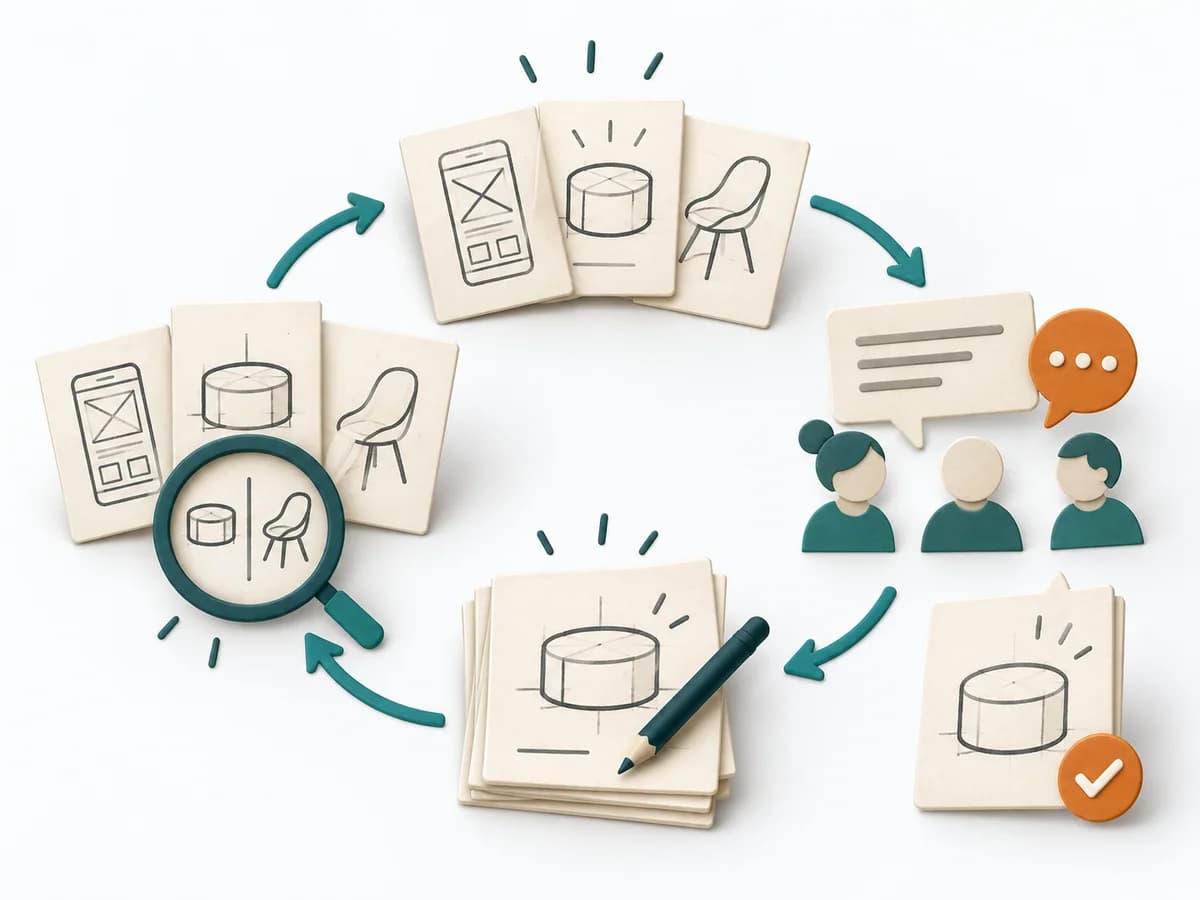 UX Design Design Studio |  Systems Thinking Leverage Points | 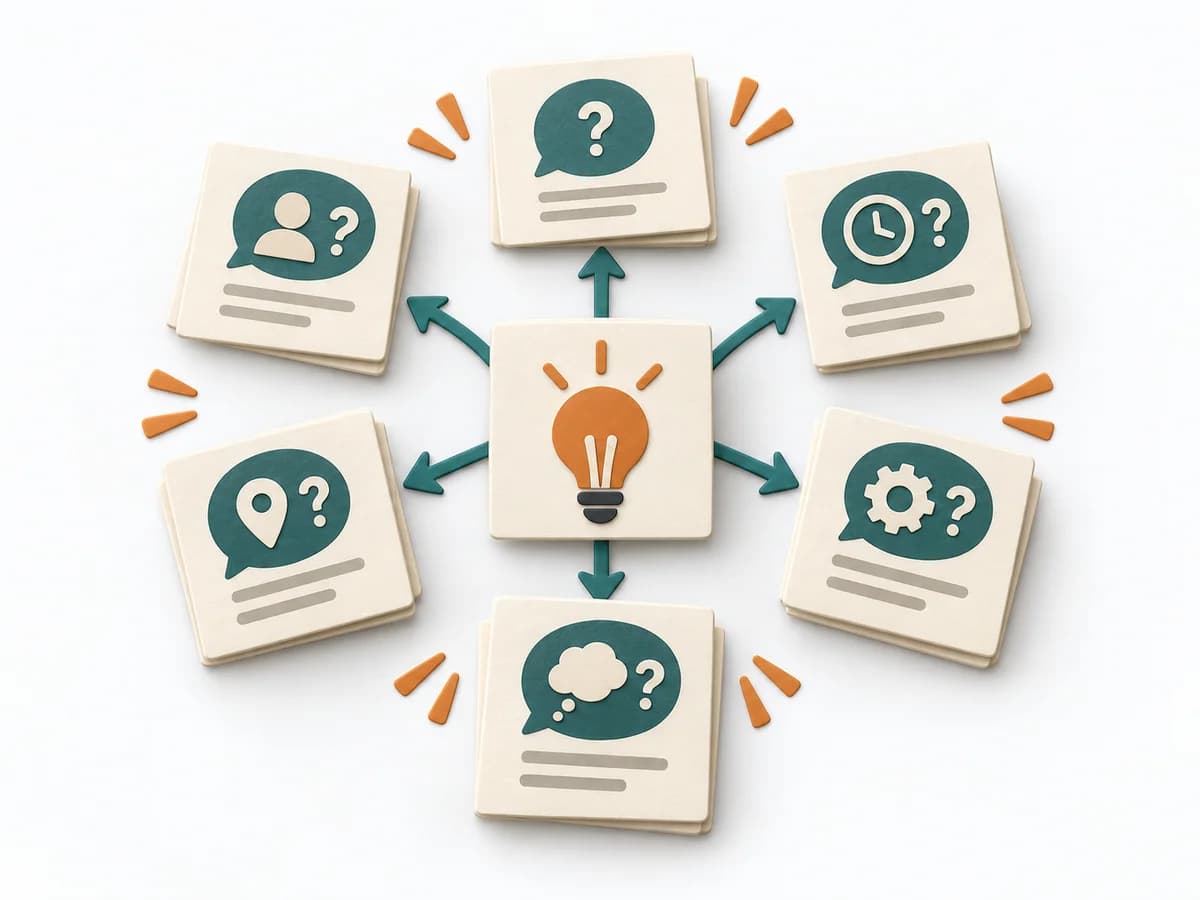 Innovation Starbursting |  Innovation Brainstorming |
|---|---|---|---|---|
Purposedifferent | When several designs need to be quickly put in relation to each other, it makes ideas visible and comparable. It encourages early variants instead of long upfront debates. | Leverage Points show exactly where interventions in a system produce a disproportionate effect. It draws relationships, patterns, and feedback loops. The result is captured as a leverage map and action strategy. | Helps clarify ideas, open questions, and testable next steps in concrete terms. It opens the thinking space, collects ideas, and leads to testable options. The result is captured as a star-shaped question map, question list, and assumption list. | When a team faces an open question with many obvious directions, the method first creates breadth instead of premature commitment. It separates idea flow from evaluation and makes lines of thought visible, creating a pool for selection and further development. |
Complexitydifferent | Medium | High | Low | Low |
Timedifferent | 1-3 h | Half day | 30-60 min | 30-60 min |
Participantsdifferent | 3-8 | 3-12 | 3-10 | 4-12 |
Formatdifferent | Workshop | Workshop | Workshop + async | Workshop |
Outputdifferent | Sketches, Concept Directions, Design Decisions | Leverage Map, Action Strategy | Star-Shaped Question Map, Question List, Assumption List | Idea pool, Theme clusters, Shortlist |
Tagsno overlap | SketchingCollaborationIdeation | Systems thinkingChangeStrategy | BrainstormingIdeationWorkshopDiscovery | BrainstormingIdeationCreativityWorkshopDivergence |