View methods side by side.
Choose up to four methods. Add them using the search and share the comparison by copying its link.
| Criterion |  Decision Making Delphi Method | 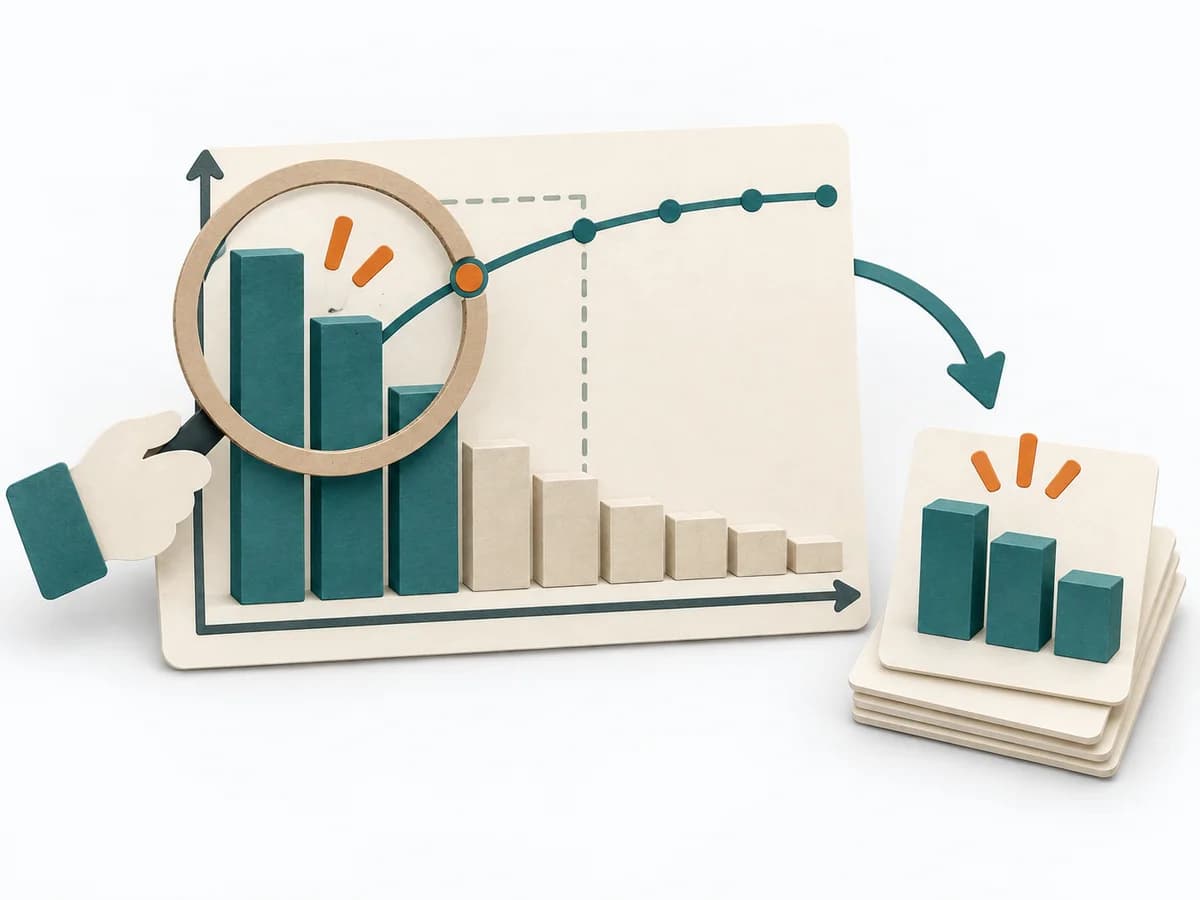 Decision Making Pareto Analysis | 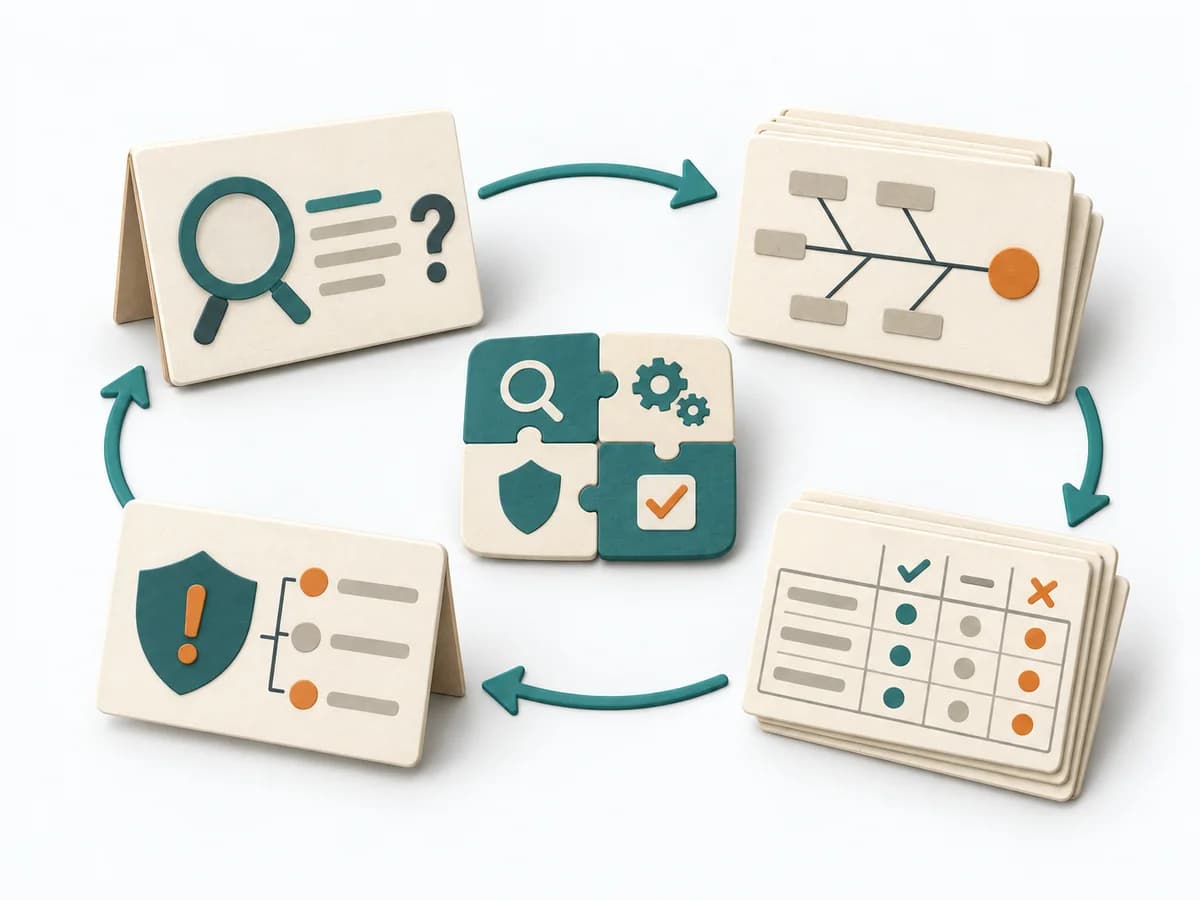 Operations Kepner-Tregoe | 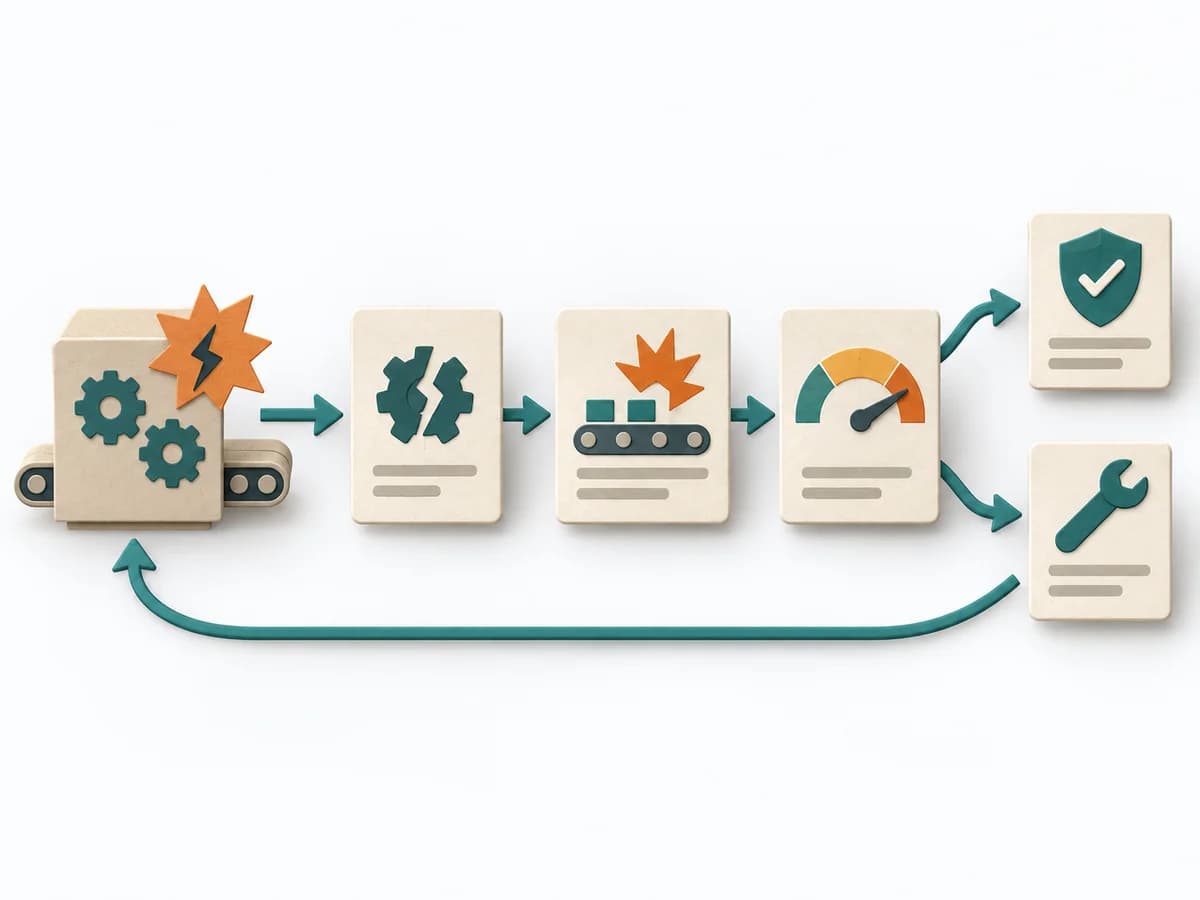 Operations Failure Mode and Effects Analysis |
|---|---|---|---|---|
Purposedifferent | When knowledge is distributed and direct dominance should be avoided, groups quickly fall under the sway of their opinion leaders. The Delphi Method gathers assessments iteratively and gradually brings expert judgments closer together. | In many problem situations, effect is distributed unequally across many causes. A Pareto Analysis separates the few drivers with high leverage from the long remainder and focuses attention on what measurably moves the needle. | For a disturbance that's hard to pin down, the method cleanly separates problem, cause, and decision. It reduces mixing when symptoms allow several interpretations. | For a process, product, or service with noticeable failure risks, the method assesses possible failure modes in advance. It directs attention to combinations of occurrence, effect, and detectability. |
Complexitydifferent | High | Low | High | High |
Timedifferent | 1-4 Wochen | 30-60 min | 2-8 h | 2-6 h |
Participantsdifferent | 6-30 Experten | 1-6 | 2-8 | 3-10 |
Formatdifferent | Async | Workshop + async | Workshop + async | Workshop |
Outputdifferent | Expert Forecast, Consensus Range, Assumption Notes | Pareto Chart, Top Causes, Focus List | Problem Analysis, Decision Analysis, Risk Plan | FMEA Table, Risk Priority, Mitigation Actions |
Tagsno overlap | ForecastingExpertsDecisionStrategy | PrioritizationQualityFocusRoot cause | Problem solvingRoot causeDecisionOperations | RiskQualityOperationsRoot cause |