View methods side by side.
Choose up to four methods. Add them using the search and share the comparison by copying its link.
| Criterion |  UX Design Customer Journey Canvas | 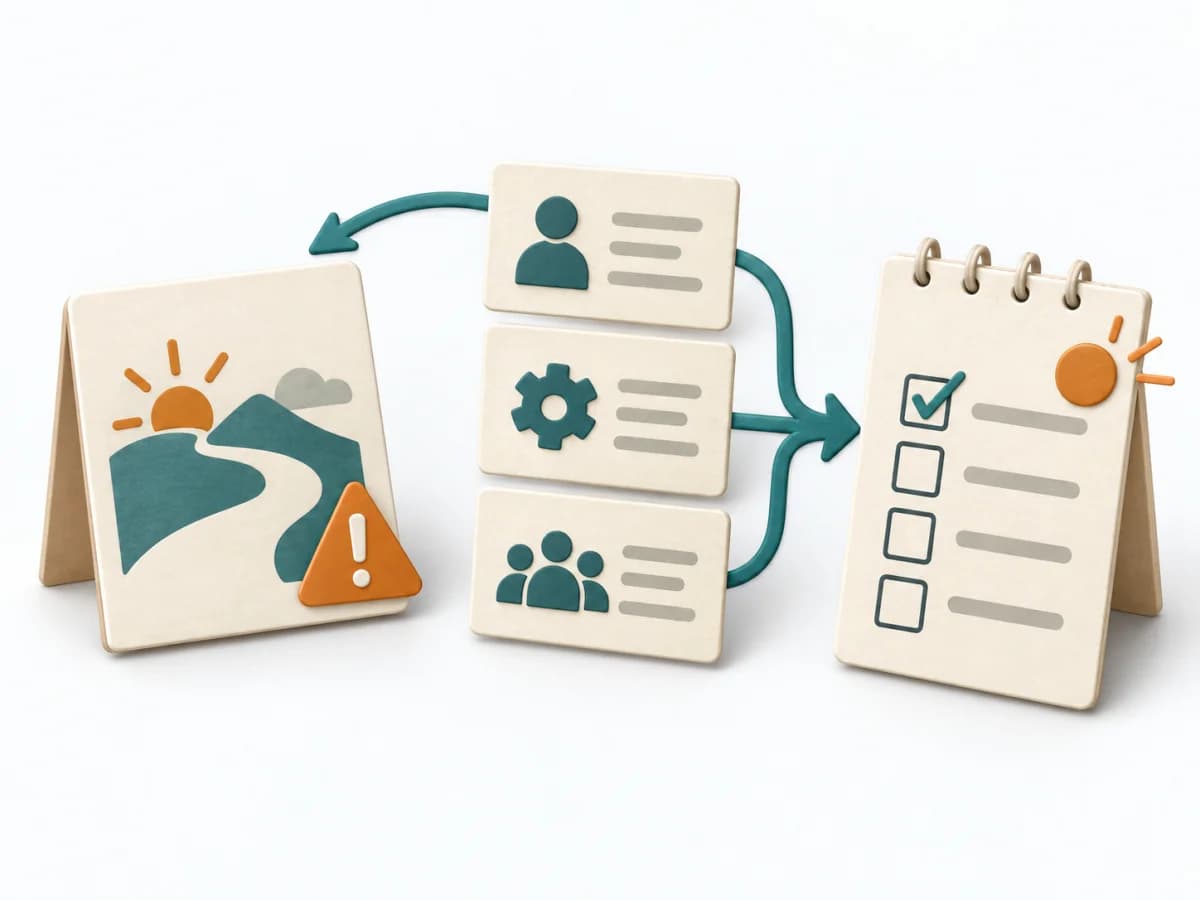 Decision Making Pre-Mortem |  Engineering Failure Scenario Analysis | 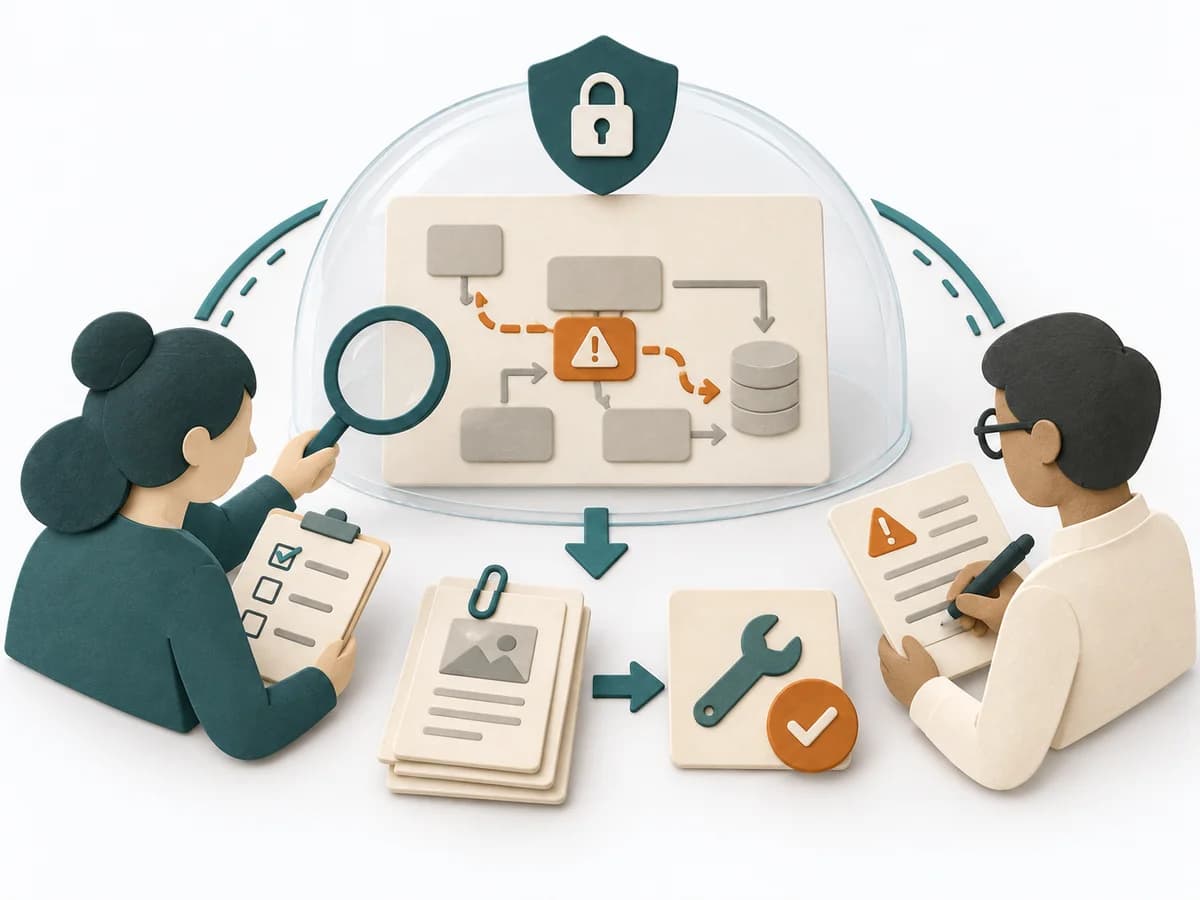 Decision Making Red Teaming |
|---|---|---|---|---|
Purposedifferent | When a journey needs to be understood across several phases, it arranges experience, touchpoints, and opportunities into one picture. It makes gaps and friction along the user path clear. | In early initiatives with many uncertainties, planning quickly turns too optimistic. A pre-mortem makes the expected failure visible in advance and sharpens the view of causes, gaps, and countermeasures. | In critical processes, it is not enough to plan only for the normal case. Failure Scenario Analysis looks at the path into failure and shows which failures, chains, and control gaps cause the most damage. | For strategic decisions with high reach, agreement and gut feeling are often not enough. Red teaming brings deliberate opposition into the situation and tests where a plan breaks under real counterarguments. |
Complexitydifferent | Medium | Low | Medium | High |
Timedifferent | 1-3 h | 20–45 min | 1-3 h | 1-4 h |
Participantsdifferent | 3-10 | Small cross-functional group | 3-8 | 3-8 |
Formatsame | Workshop | Workshop | Workshop | Workshop |
Outputdifferent | Customer Journey Canvas, Pain Points, Experience Opportunities | Risk list, Mitigation plan, Assumption log | Failure Scenarios, Risk Notes, Control Gaps, Test and Response Actions | Challenge Findings, Risk Register, Mitigation Plan |
Tagsno overlap | JourneyCustomerService designCanvas | RiskDecisionFailurePlanning | FailureResilienceRisk | RiskDecisionSensemaking |