View methods side by side.
Choose up to four methods. Add them using the search and share the comparison by copying its link.
Selected:Current Reality TreeOutcome-Driven InnovationMORT AnalysisTheory of Constraints Thinking Process
| Criterion |  Systems Thinking Current Reality Tree |  Product Discovery Outcome-Driven Innovation | 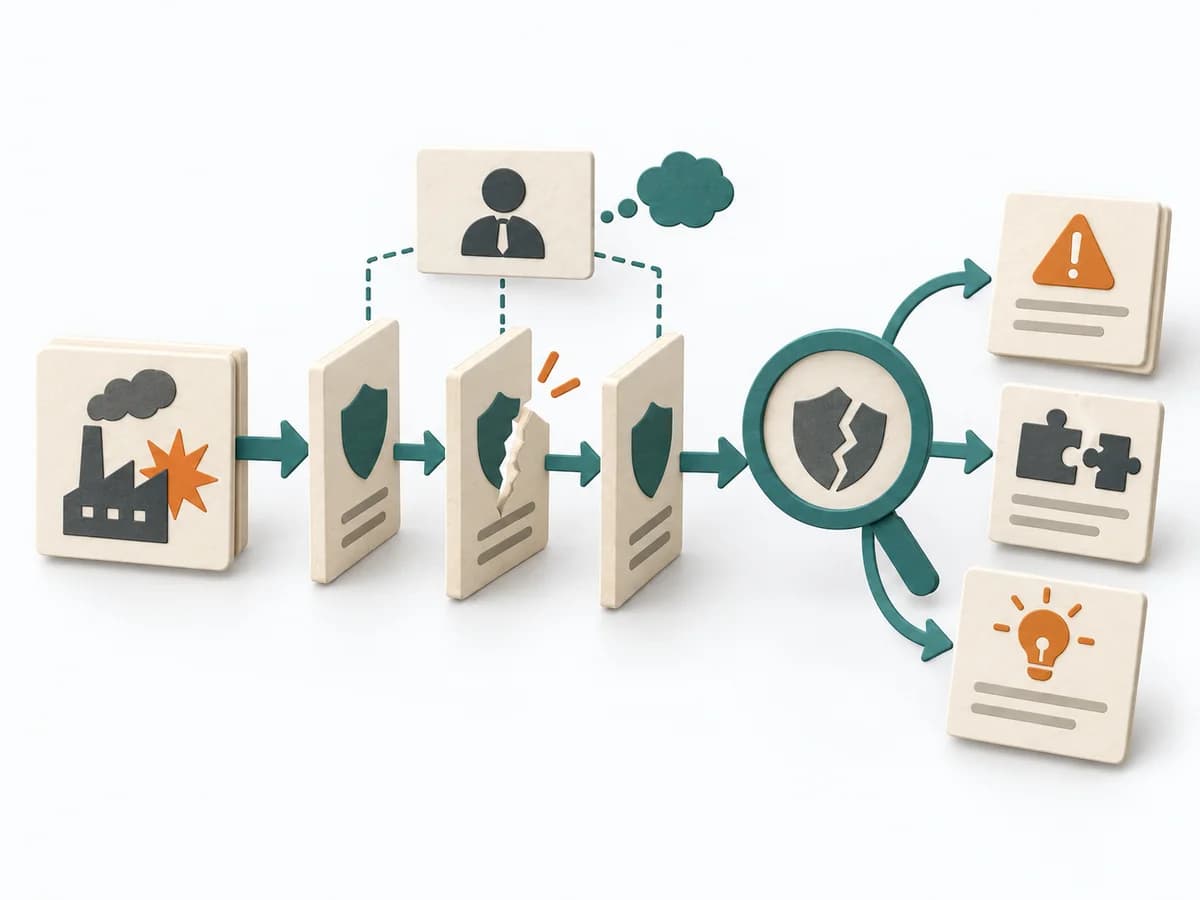 Operations MORT Analysis | 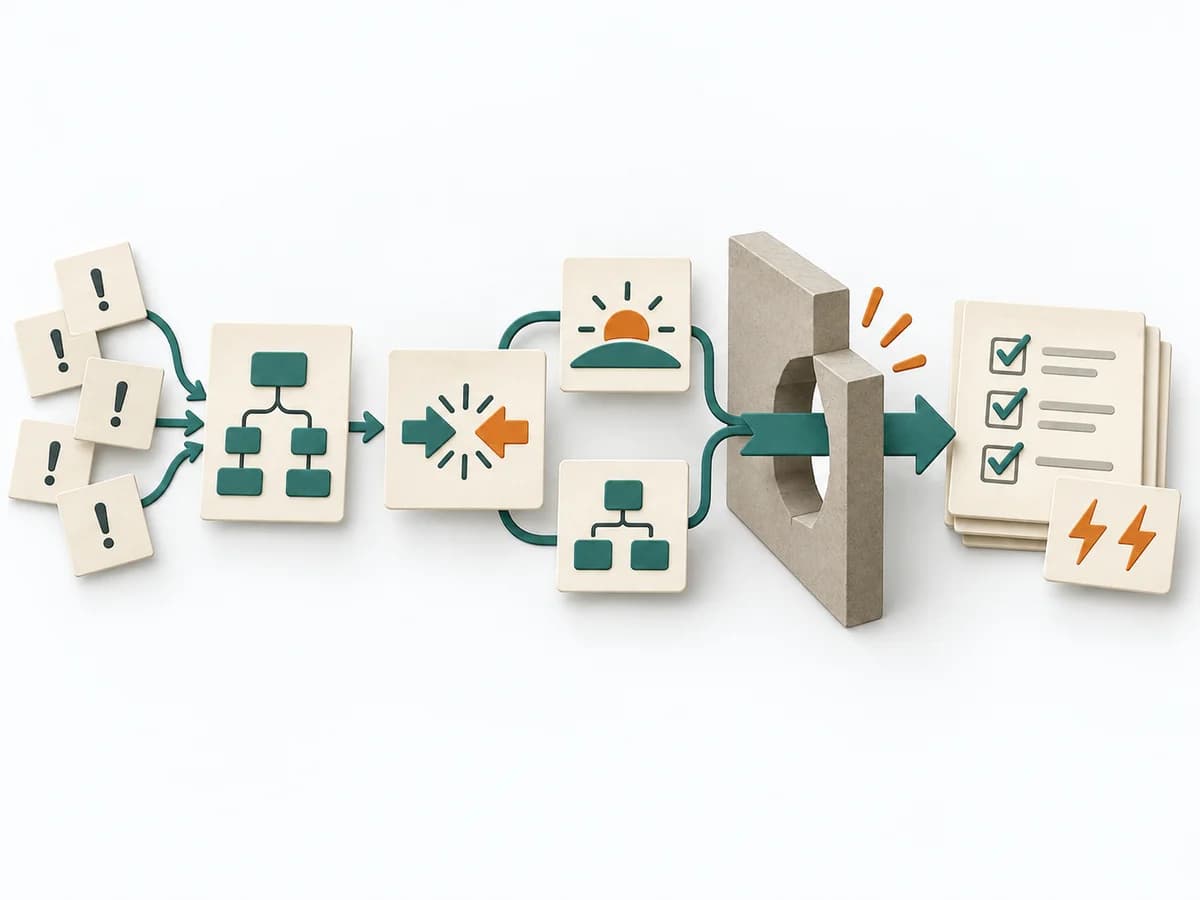 Systems Thinking Theory of Constraints Thinking Process |
|---|---|---|---|---|
Purposedifferent | A Current Reality Tree condenses many symptoms into a few causal chains. The method makes visible which core problems drive several negative effects at once. | Outcome-Driven Innovation clarifies customer problems, solution opportunities, and evidence. It separates jobs, desired outcomes, importance, satisfaction, and opportunity, and captures results as desired outcome statements, an opportunity landscape, and segments by underserved needs. | For a safety-relevant event or a system with high protection requirements, the method examines where controls failed. It exposes both technical and organizational gaps. | The Theory of Constraints Thinking Process exposes a system's bottleneck and the logic behind it. It suits situations where many symptoms trace back to the same limiting relationship. |
Complexitysame | High | High | High | High |
Timedifferent | 2-6 h | Mehrere Wochen | Mehrere Tage bis Wochen | 0.5-3 Tage |
Participantsdifferent | 3-8 | 2-6 researchers plus sample | 2-6 | 4-10 |
Formatdifferent | Workshop | Workshop + async | Workshop + async | Workshop |
Outputdifferent | Current Reality Tree, Core Problems, Intervention Ideas | Desired outcome statements, Opportunity landscape, Segmentation by underserved needs, Innovation hypotheses | MORT Worksheets, Findings per Branch, Corrective Actions, Systemic Recommendations | Current Reality Logic, Conflict Cloud, Future Reality Tree, Implementation Obstacles |
Tagsno overlap | Systems thinkingRoot causeConstraintsCausality | OutcomesInnovationResearchQuantitative | Root causeSafetySystemicIncident | Theory of ConstraintsConstraintsSystems thinkingCausality |