View methods side by side.
Choose up to four methods. Add them using the search and share the comparison by copying its link.
| Criterion | 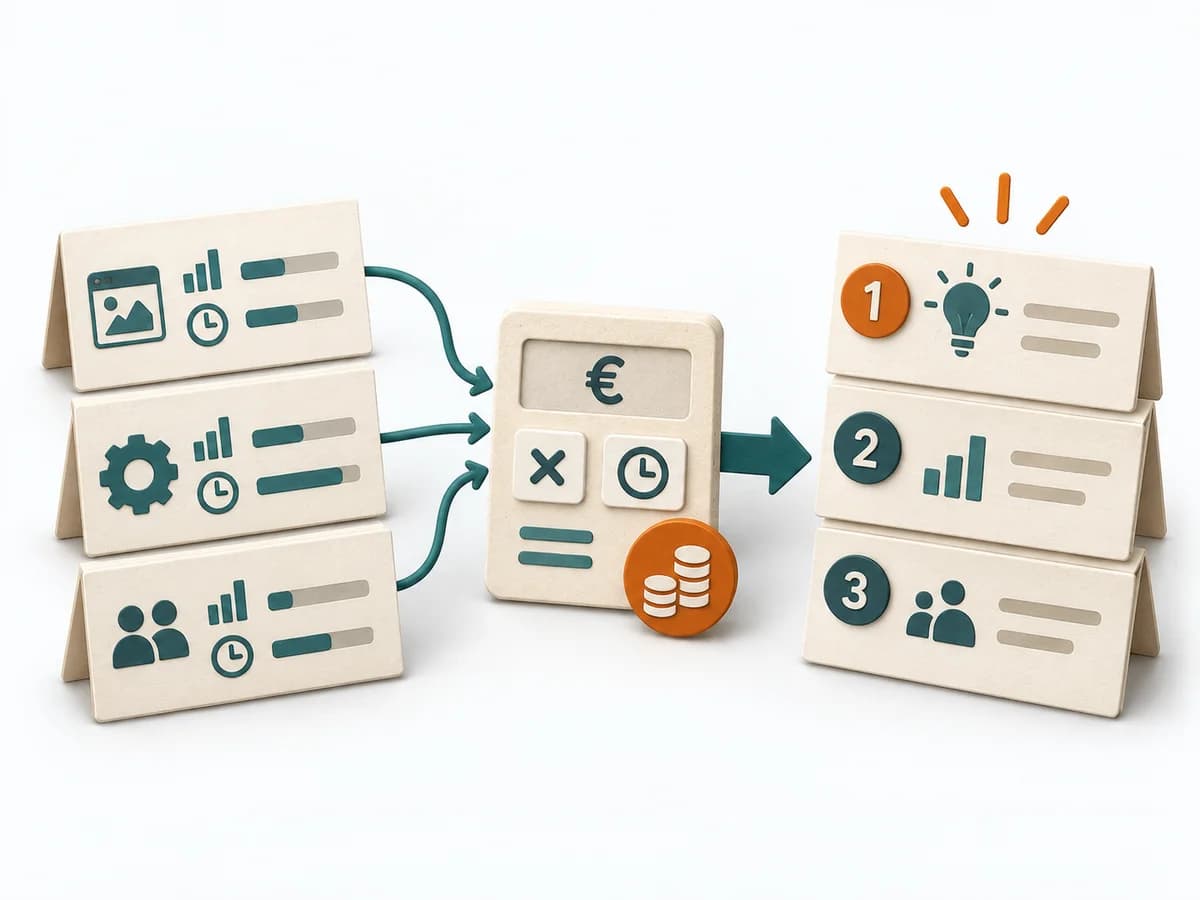 Delivery Cost of Delay | 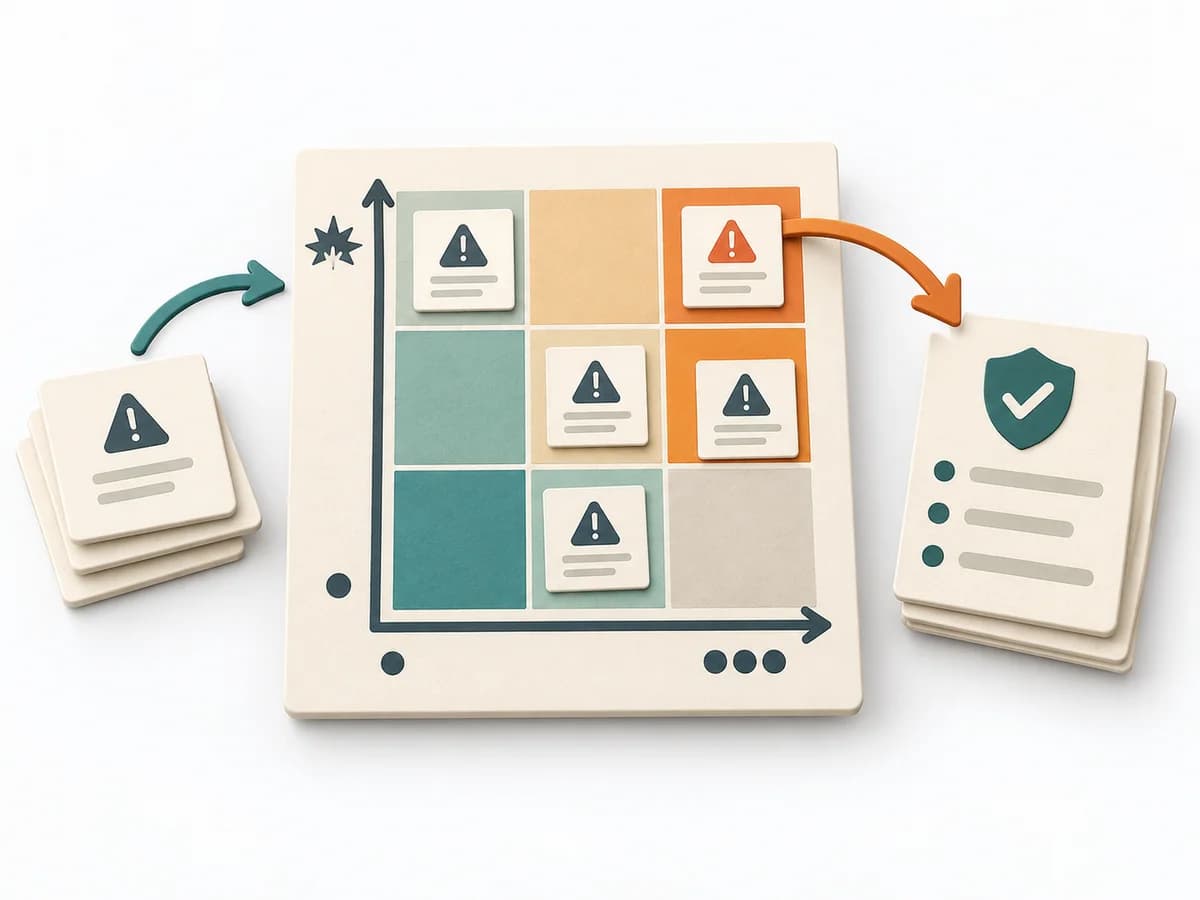 Decision Making Risk Matrix | 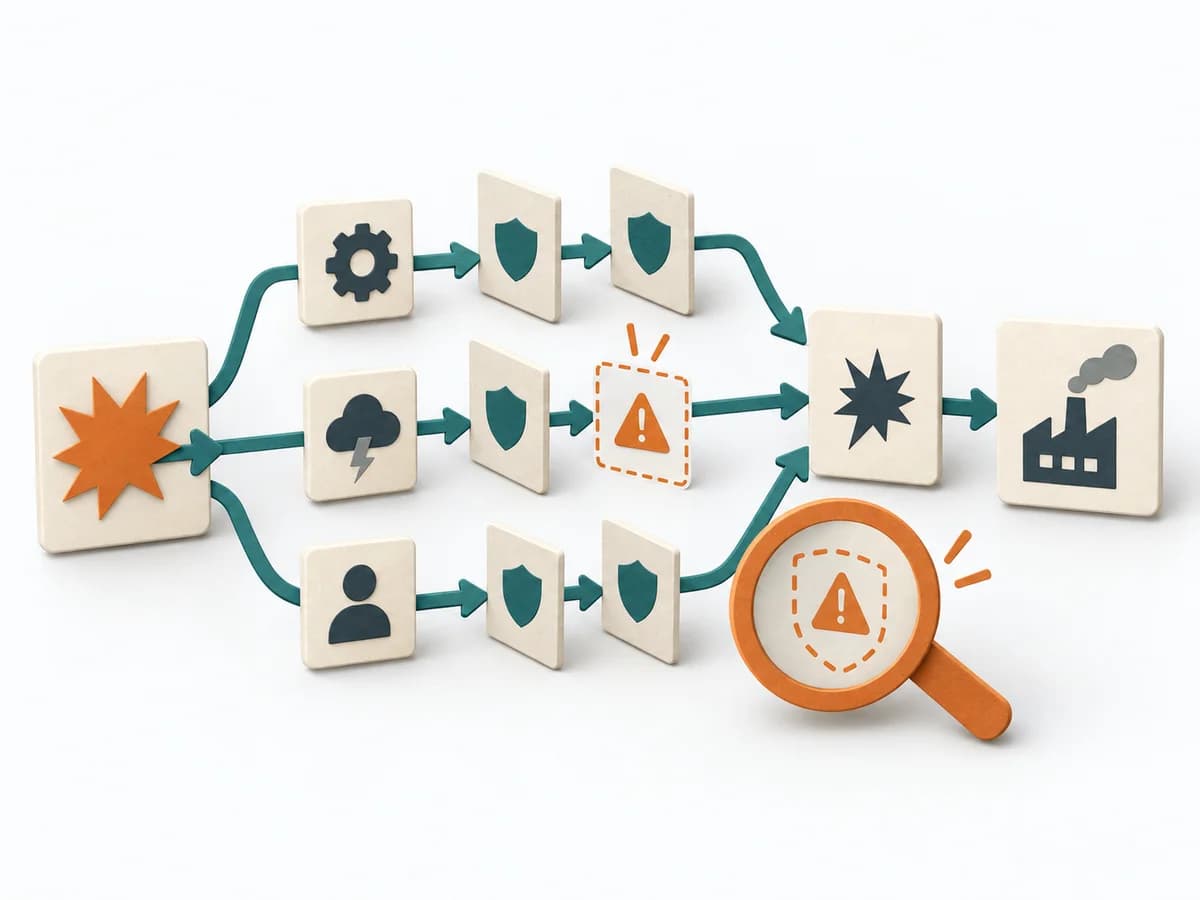 Engineering Failure Scenario Analysis |  Decision Making Assumption Surfacing |
|---|---|---|---|---|
Purposedifferent | Helps clarify scope, order, and delivery flow in concrete terms. It makes work, constraints, and sequence manageable. The result is captured as a Cost of Delay table and prioritization sequence. | When a project faces many possible disruptions, it quickly becomes unclear which risks deserve attention first. It separates options, evaluation criteria, and open risks. The result is captured as a Risk Matrix and a Top Risk List. | In critical processes, it is not enough to plan only for the normal case. Failure Scenario Analysis looks at the path into failure and shows which failures, chains, and control gaps cause the most damage. | Plans often contain assumptions that were never openly stated and remain dangerous precisely because of that. Assumption Surfacing makes these silent premises visible and prioritizes which of them carry the initiative or could sink it. |
Complexitydifferent | High | Low | Medium | Low |
Timedifferent | 90-180 min | 30-60 min | 1-3 h | 45-90 min |
Participantsdifferent | 3-8 | 3-10 | 3-8 | 2-8 |
Formatdifferent | Workshop | Workshop + async | Workshop | Workshop + async |
Outputdifferent | CoD Table, Prioritization Sequence | Risk Matrix, Top Risk List | Failure Scenarios, Risk Notes, Control Gaps, Test and Response Actions | Assumption List, Critical Assumptions, Learning Plan |
Tagsno overlap | PrioritizationDeliveryEconomicsDecision | RiskDecisionPrioritizationAssessment | FailureResilienceRisk | AssumptionsRiskDecisionDiscovery |