View methods side by side.
Choose up to four methods. Add them using the search and share the comparison by copying its link.
| Criterion | 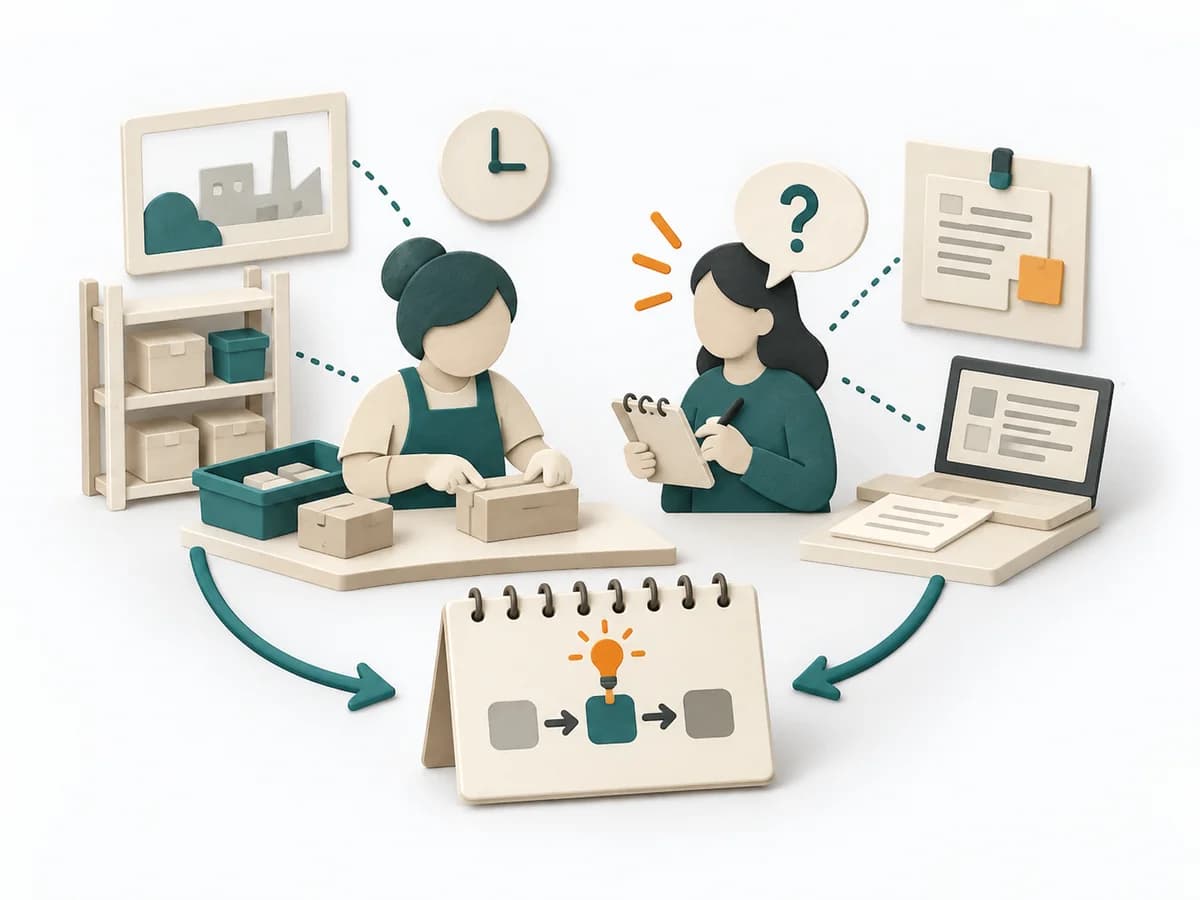 UX Research Contextual Inquiry | 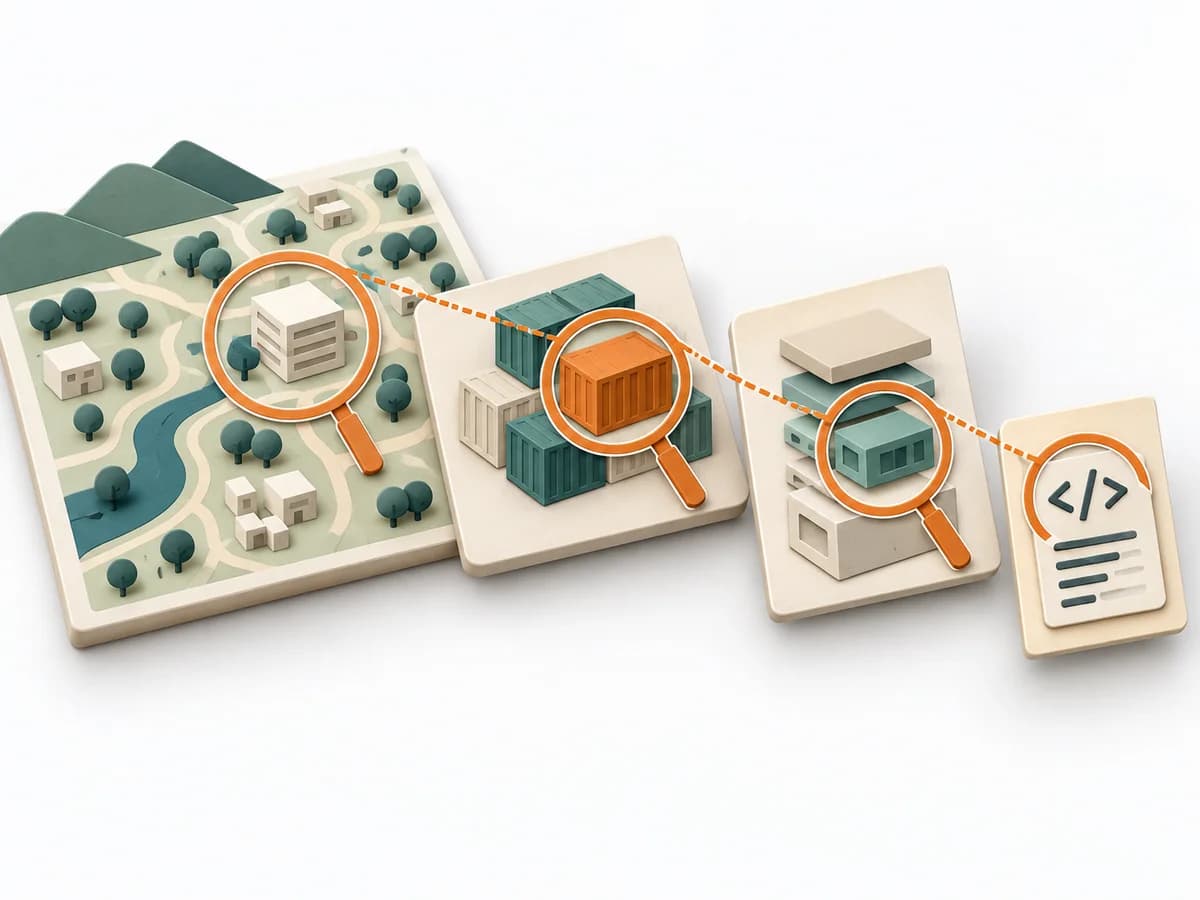 Architecture C4 Model | 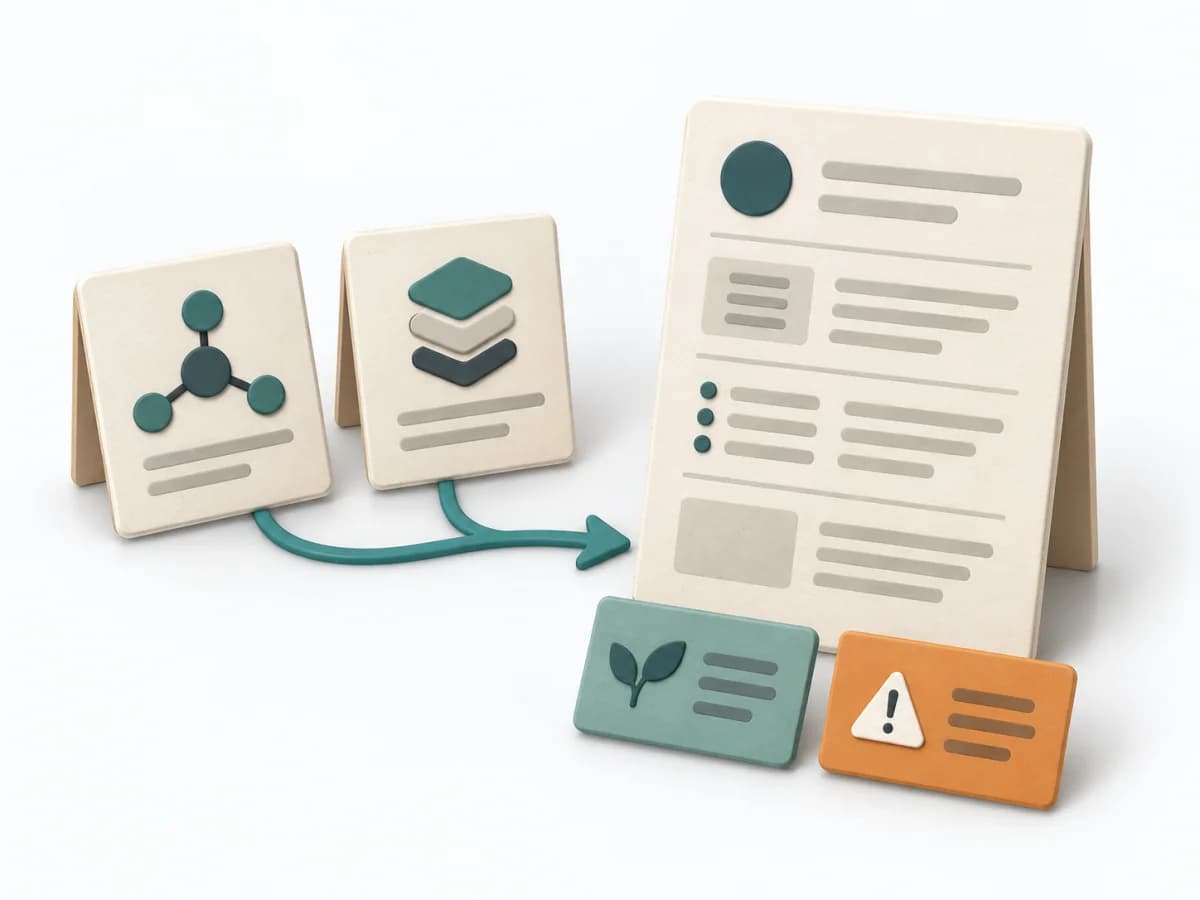 Architecture Architecture Decision Record | 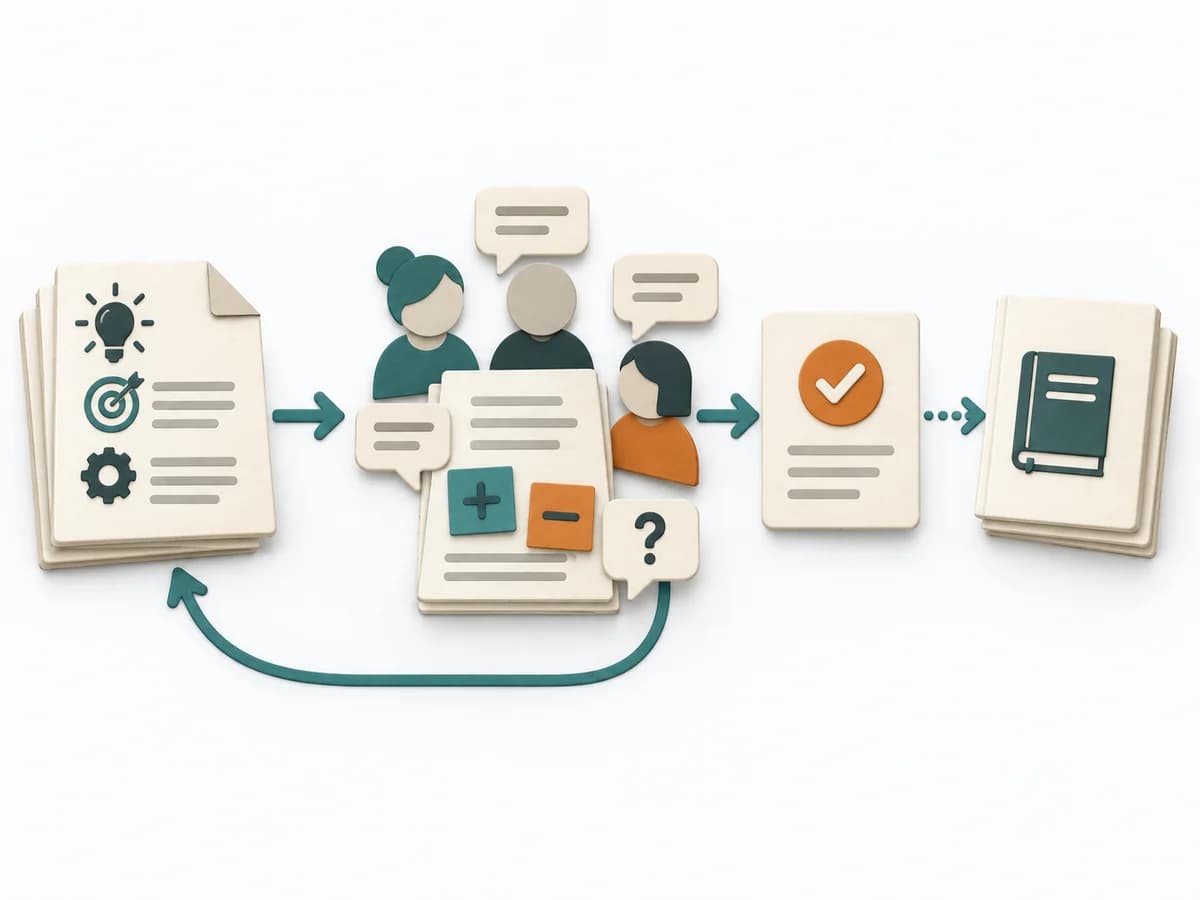 Architecture Request for Comments |
|---|---|---|---|---|
Purposedifferent | When work processes are known only from accounts and the real context stays hidden, Contextual Inquiry makes behavior at the workplace visible. Observation and follow-up questions together show how people actually work, get interrupted, and improvise. | The C4 Model makes a system legible across several resolution levels, from context down to code. It suits situations where different audiences need to understand the same architecture from different altitudes. | An ADR permanently records an architecture decision with context, trade-offs, and consequence. It creates continuity for later changes because the decision path stays traceable. | An RFC clarifies architecture context, options, and consequences. It structures technical context, alternatives, tradeoffs, open questions, and review feedback, and captures the result as an RFC document, reviewer comments, and a decision rationale. |
Complexitydifferent | Medium | Low | Low | Medium |
Timedifferent | 1-3 Wochen | 1-4 h | 15-45 min | 1-3 Wochen vom Draft bis zur Entscheidung |
Participantsdifferent | 4-12 Beobachtungen | 1-5 | 1-3 | 3-20 Reviewer |
Formatdifferent | Workshop + async | Workshop + async | Async | Async |
Outputdifferent | Field Notes, Workflow Insights, Pain Points | Context Diagram, Container Diagram, Component Diagram | ADR File, Decision Log, Rationale | RFC document, Reviewer comments, Decision rationale, Follow-up ADR or tickets |
Tagsno overlap | UX researchObservationContext | ArchitectureCommunicationVisualization | ArchitectureRationaleDocumentationGovernance | ArchitectureDecisionAsyncGovernance |