View methods side by side.
Choose up to four methods. Add them using the search and share the comparison by copying its link.
| Criterion | 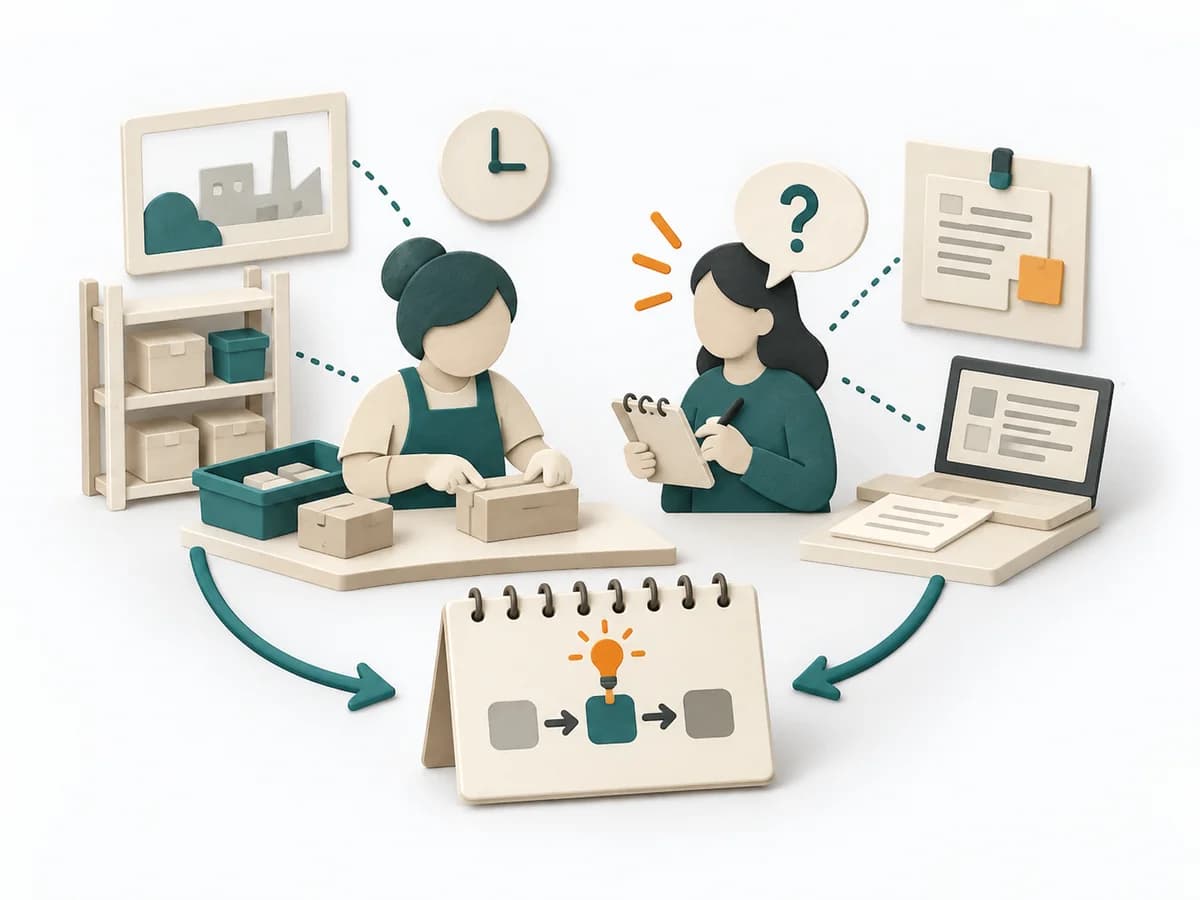 UX Research Contextual Inquiry | 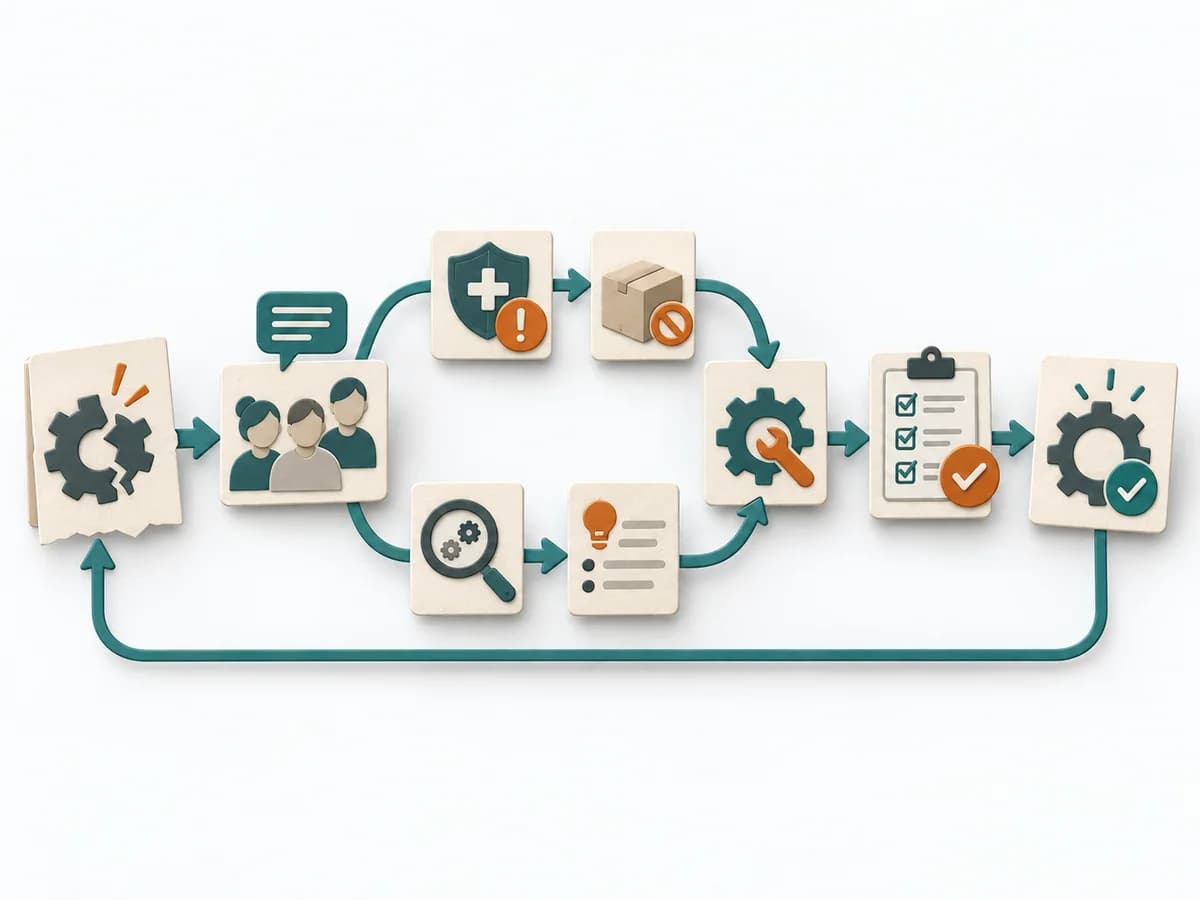 Operations 8D Problem Solving | 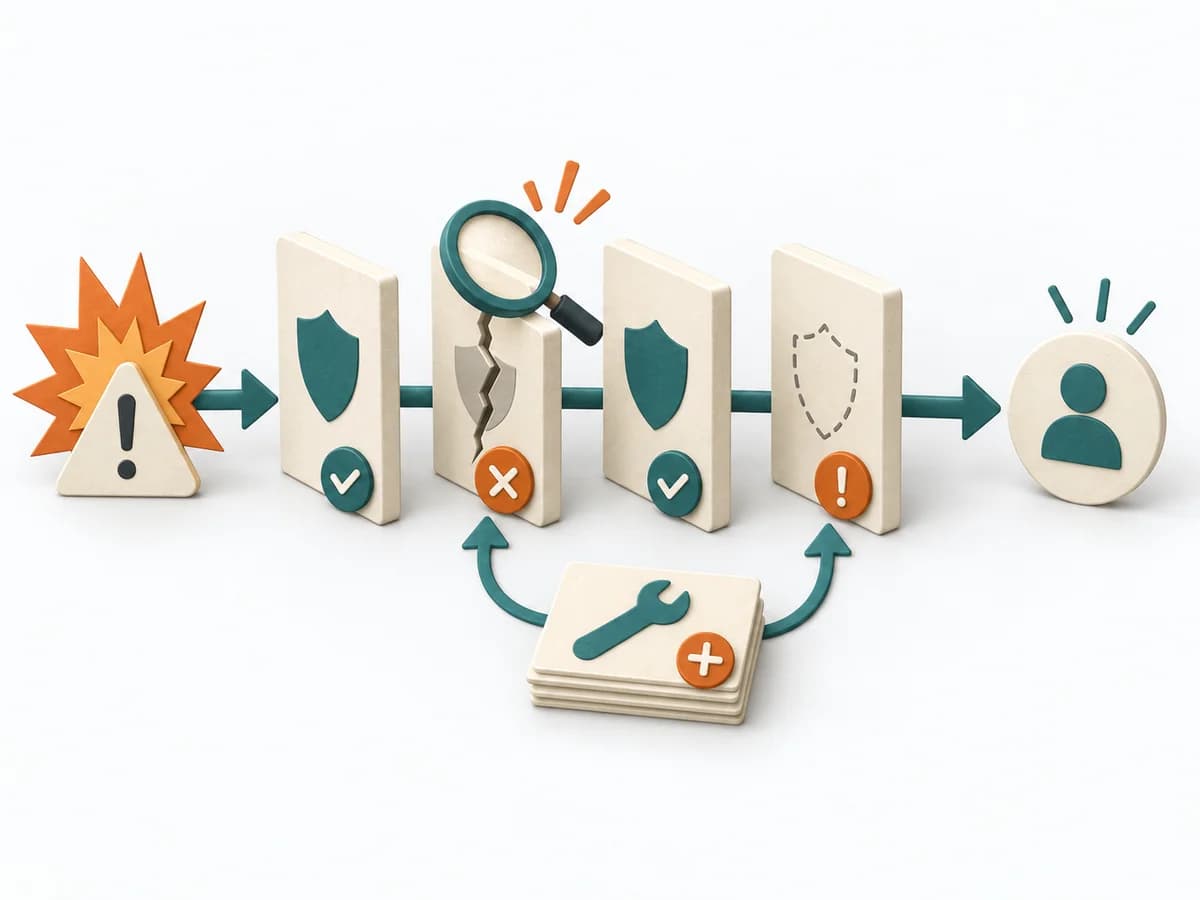 Operations Barrier Analysis |  Operations 5 Whys |
|---|---|---|---|---|
Purposedifferent | When work processes are known only from accounts and the real context stays hidden, Contextual Inquiry makes behavior at the workplace visible. Observation and follow-up questions together show how people actually work, get interrupted, and improvise. | For an acute quality or delivery problem, the method structures immediate protection and root cause work together. It keeps the situation stable while the actual cause is investigated cleanly. | For a risk that can only be managed through multiple layers of protection, the method examines the effectiveness of each barrier. It shows where safeguards are missing, too weak, or fail under real conditions. | For a single, hard-to-explain deviation, the method exposes the causal chain behind the visible symptom. It keeps the cause open until a controllable condition emerges instead of a mere description. |
Complexitydifferent | Medium | High | Medium | Low |
Timedifferent | 1-3 Wochen | 1-6 Wochen | 2-4 h | 15-30 min |
Participantsdifferent | 4-12 Beobachtungen | 4-10 | 2-6 | 2-6 |
Formatdifferent | Workshop + async | Workshop + async | Workshop + async | Workshop |
Outputdifferent | Field Notes, Workflow Insights, Pain Points | 8D Report, Containment Plan, Root Cause Evidence, Corrective Action Plan | Barrier Inventory, Failure Analysis per Barrier, Action Backlog | Root cause notes, Countermeasures |
Tagsno overlap | UX researchObservationContext | QualityProblem solvingRoot cause | Root causeSafetyIncident | Root causeIncidentLeanProblem solving |