View methods side by side.
Choose up to four methods. Add them using the search and share the comparison by copying its link.
| Criterion |  Domain Modeling Context Map | 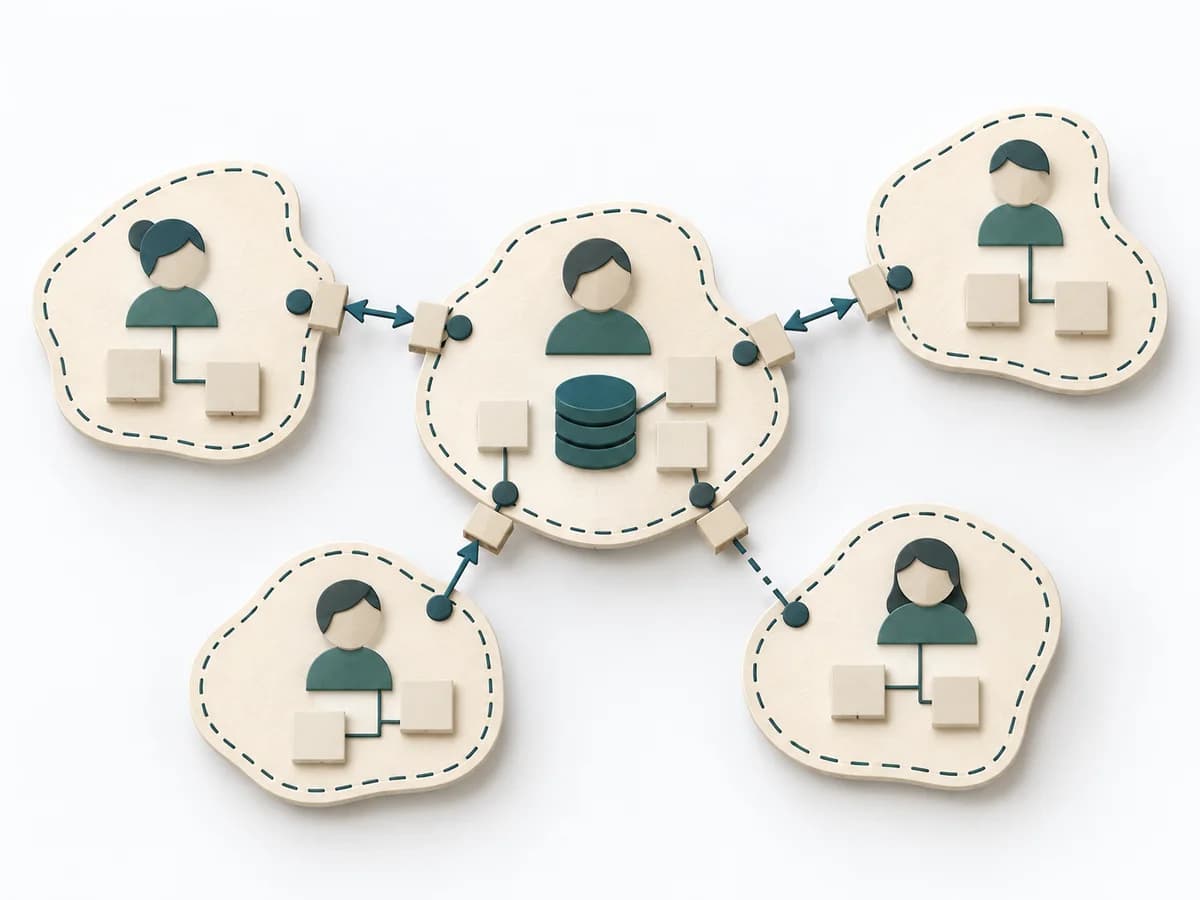 Domain Modeling Domain Context Map | 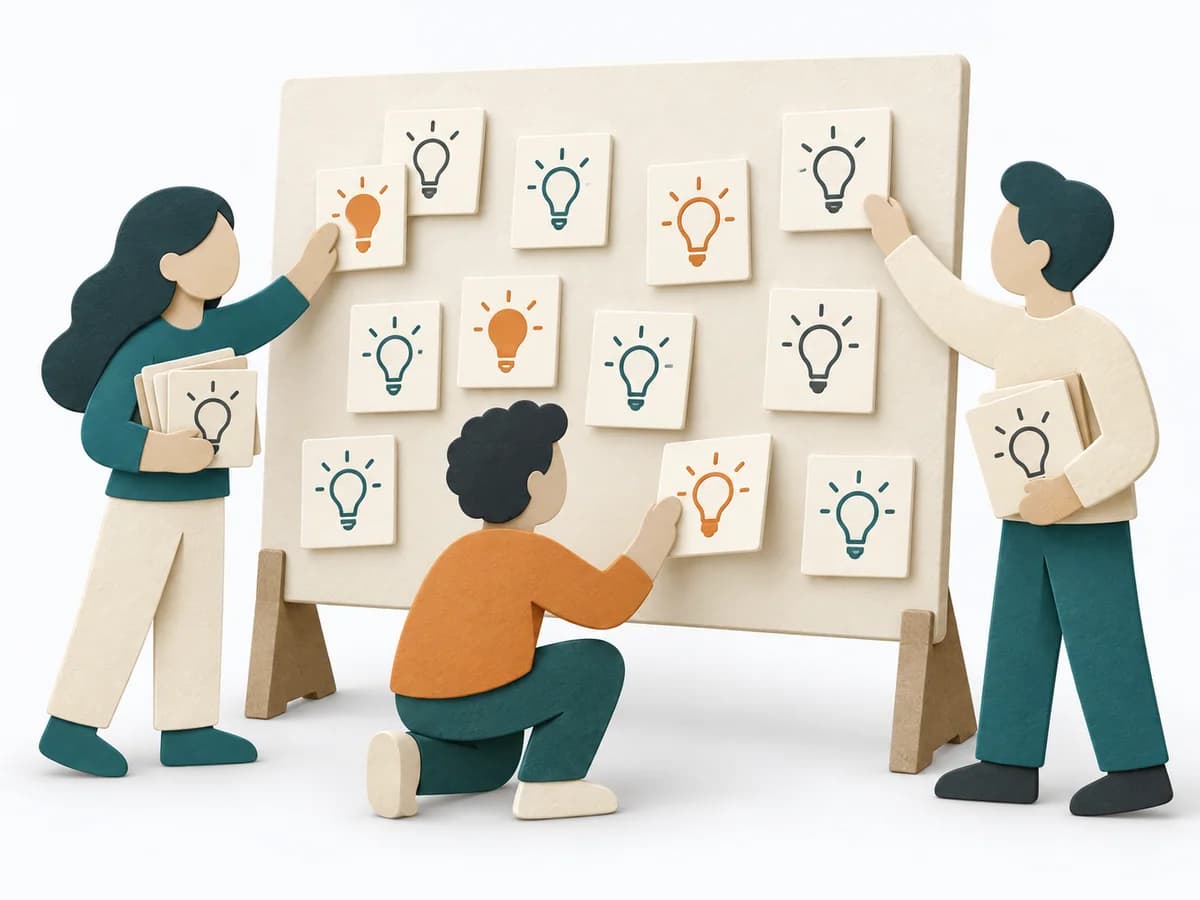 Innovation Brainstorming | 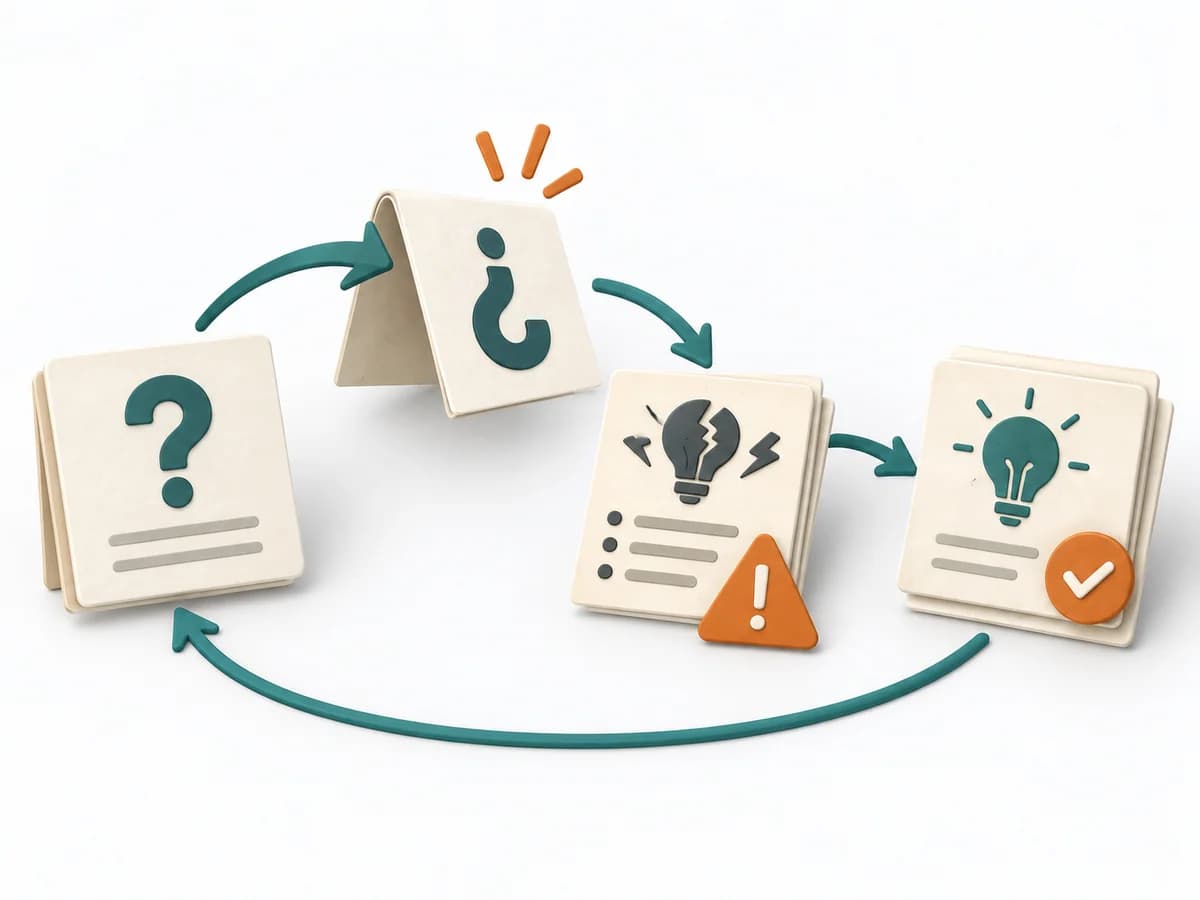 Innovation Reverse Brainstorming |
|---|---|---|---|---|
Purposedifferent | When several contexts need to talk to each other, it makes their relationships and dependencies legible. It helps sort integration pressure and responsibilities across system boundaries. | When a domain model and its associated contexts need to be thought through together, it creates a shared overview. It connects the business view and organizational boundary into a readable whole. | When a team faces an open question with many obvious directions, the method first creates breadth instead of premature commitment. It separates idea flow from evaluation and makes lines of thought visible, creating a pool for selection and further development. | For persistent errors or blockages, the method shifts the view to the opposite of the desired effect. It exposes the mechanics of failure and makes hidden causes easier to grasp. This makes improvement more concrete and the problem clearer. |
Complexitydifferent | Medium | Medium | Low | Low |
Timedifferent | 1-3 h | 1-3 h | 30-60 min | 30-60 min |
Participantsdifferent | 2-8 | 3-10 | 4-12 | 3-12 |
Formatdifferent | Workshop + async | Workshop | Workshop | Workshop |
Outputdifferent | Context Map, Integration Patterns, Boundary Notes | Domain Context Map, Boundary Notes, Ownership Map | Idea pool, Theme clusters, Shortlist | Reverse Ideas, Risk Themes, Solution Ideas |
Tagsno overlap | Domain-Driven DesignBoundariesStrategy | Domain-Driven DesignContextBoundaries | BrainstormingIdeationCreativityWorkshopDivergence | BrainstormingIdeationCreativityRisk |