View methods side by side.
Choose up to four methods. Add them using the search and share the comparison by copying its link.
| Criterion | 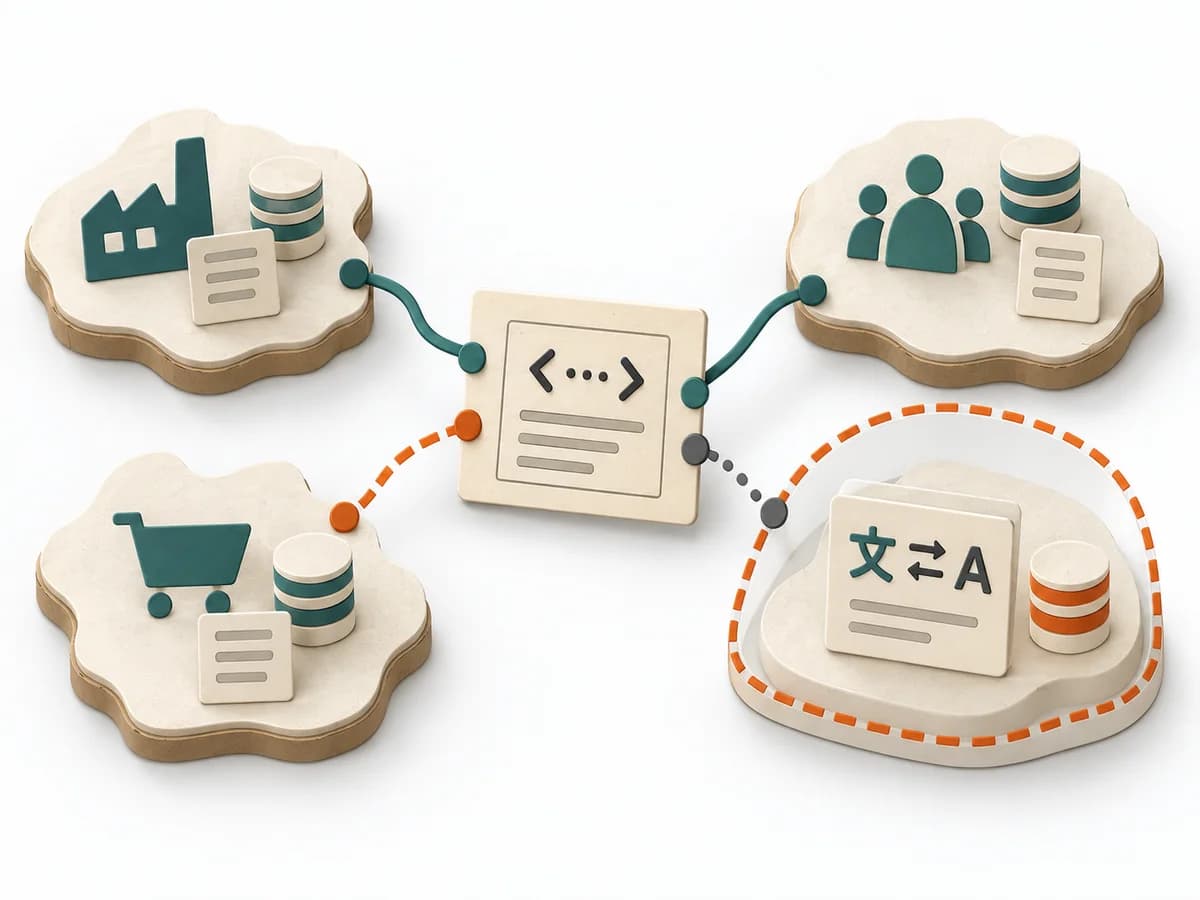 Domain Modeling Context Map | 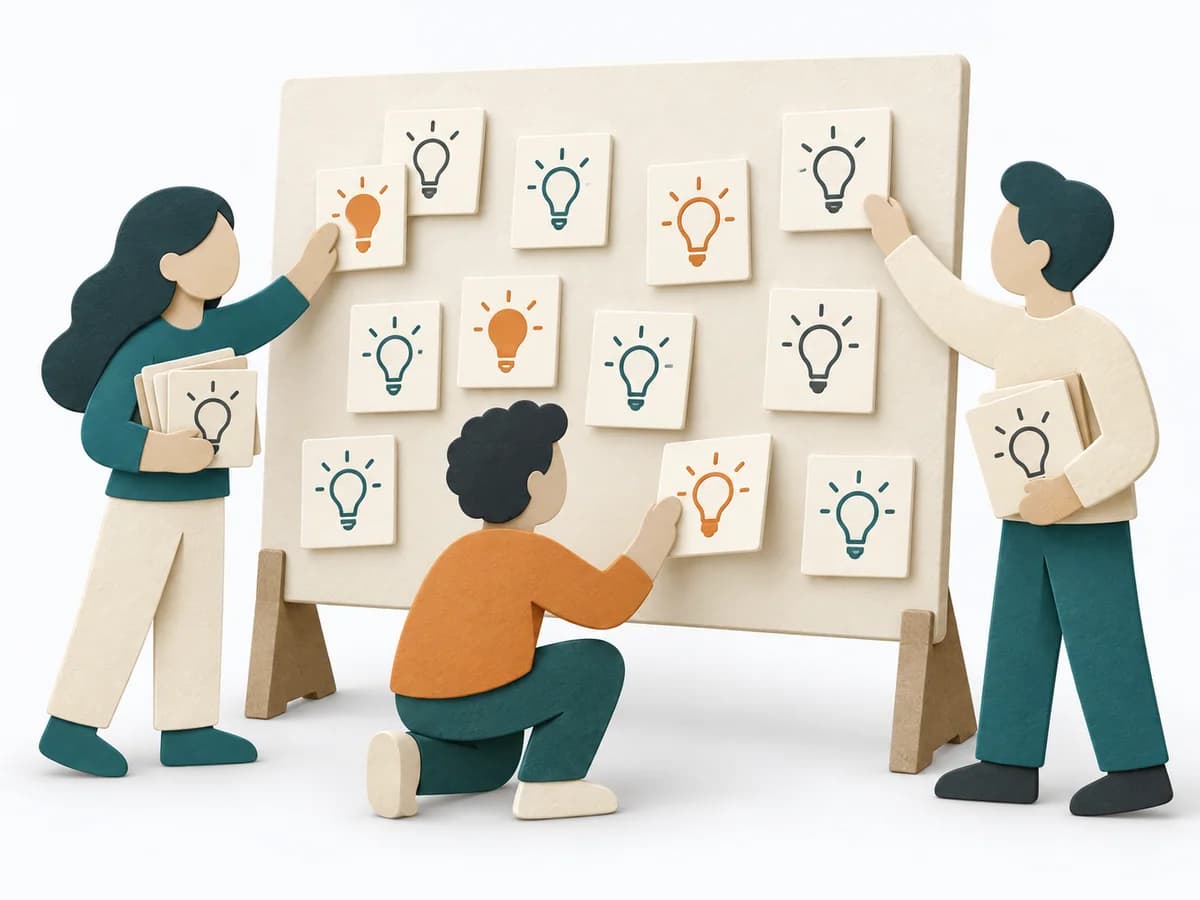 Innovation Brainstorming | 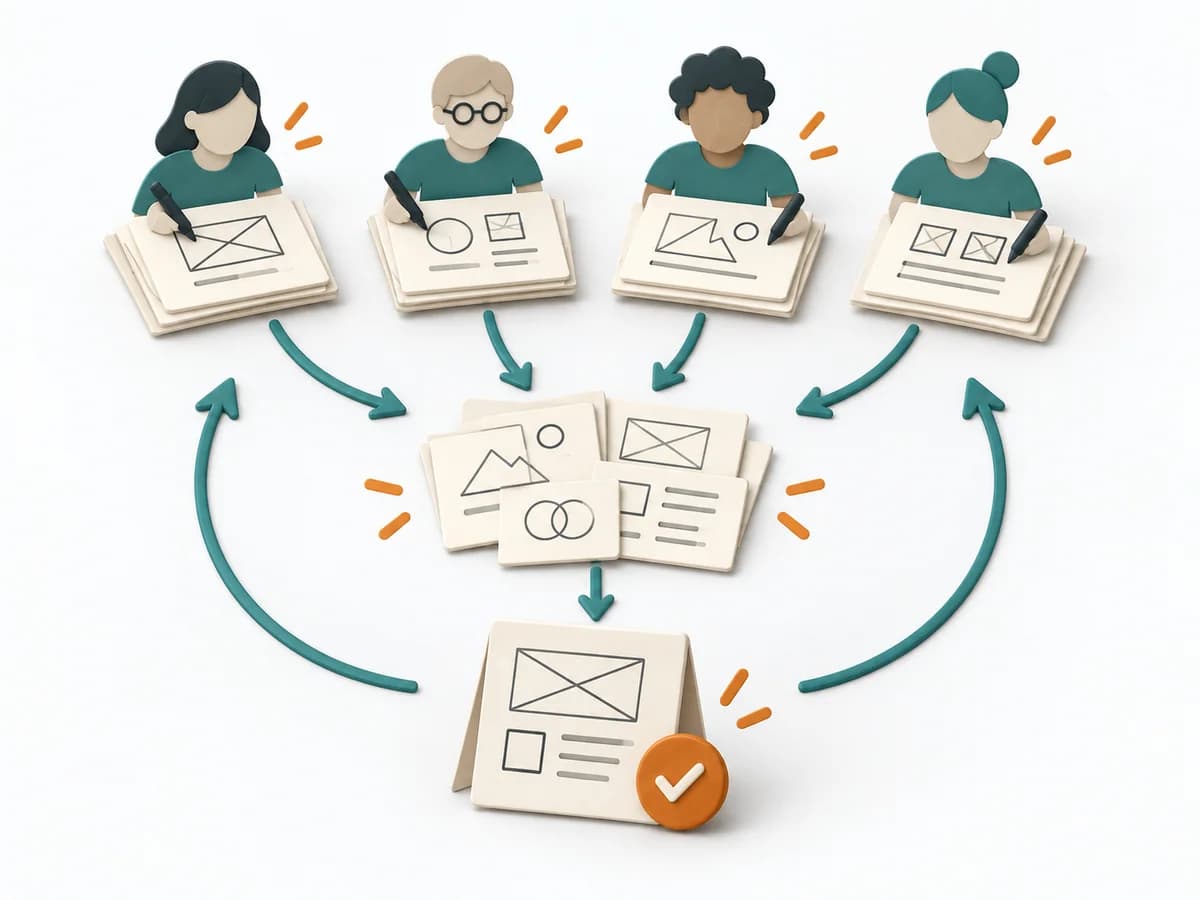 Innovation Design Charrette | 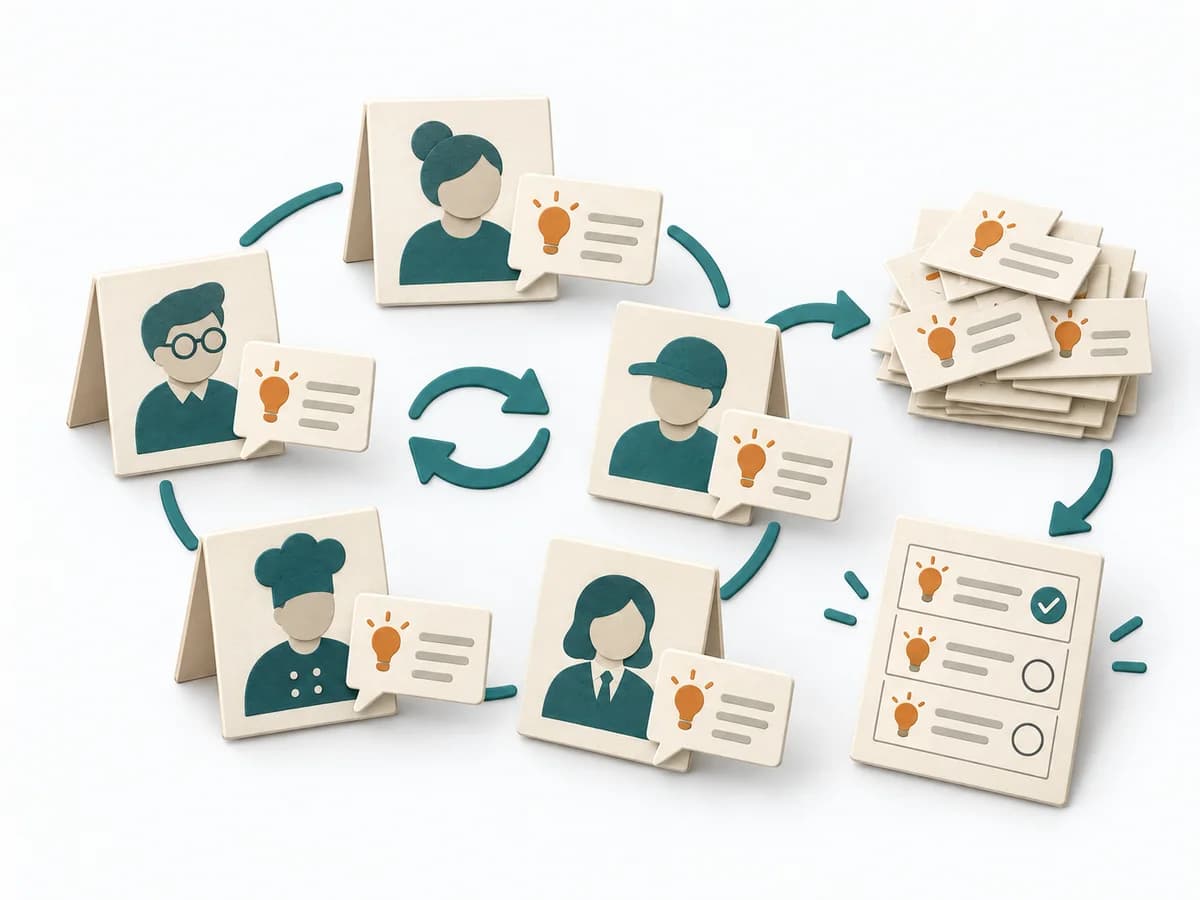 Innovation Rolestorming |
|---|---|---|---|---|
Purposedifferent | When several contexts need to talk to each other, it makes their relationships and dependencies legible. It helps sort integration pressure and responsibilities across system boundaries. | When a team faces an open question with many obvious directions, the method first creates breadth instead of premature commitment. It separates idea flow from evaluation and makes lines of thought visible, creating a pool for selection and further development. | In a tightly timed design process with many participants, the method pools several lines of thinking in a short time. It brings parallel design energy without letting the discussion tip into endless coordination. This quickly produces solid directions for architecture or space. | When a search for ideas stalls, switching roles helps people step outside their own perspective and activate new logics of action. The method reduces habit because contributions arise from a different stance. This brings unfamiliar, often fitting solution approaches into play. |
Complexitydifferent | Medium | Low | Medium | Low |
Timedifferent | 1-3 h | 30-60 min | Halber Tag bis mehrere Tage | 30-60 min |
Participantsdifferent | 2-8 | 4-12 | 10-50 | 3-12 |
Formatdifferent | Workshop + async | Workshop | Workshop | Workshop |
Outputdifferent | Context Map, Integration Patterns, Boundary Notes | Idea pool, Theme clusters, Shortlist | Sketches and Concepts, Consolidated Solution Sketch, Prioritized Direction | Rollenkarten, Ideenpool pro Rolle, Konsolidierte Shortlist |
Tagsno overlap | Domain-Driven DesignBoundariesStrategy | BrainstormingIdeationCreativityWorkshopDivergence | BrainstormingWorkshopCollaborationIdeation | BrainstormingIdeationCreativity |