View methods side by side.
Choose up to four methods. Add them using the search and share the comparison by copying its link.
| Criterion | 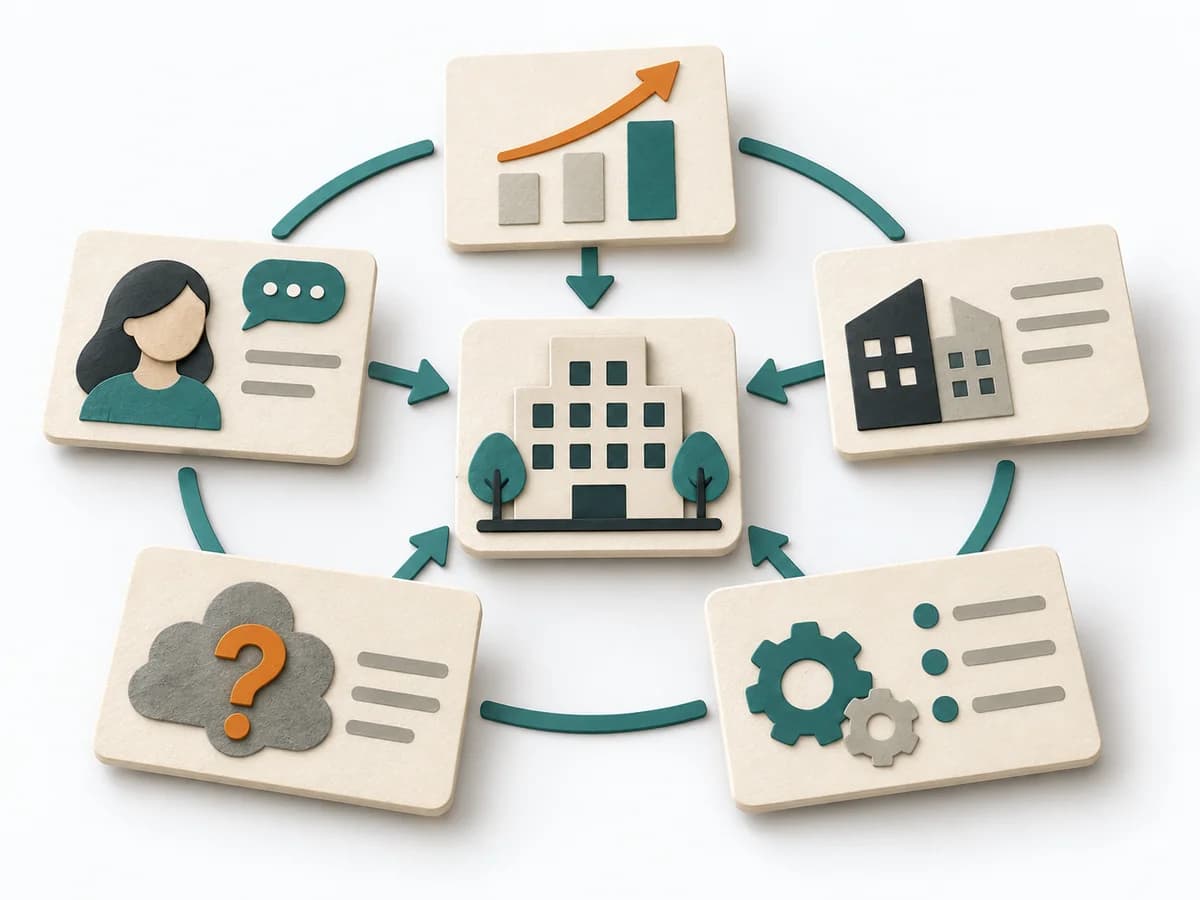 Product Discovery Context Canvas |  Domain Modeling Bounded Context Canvas |  Innovation Brainstorming | 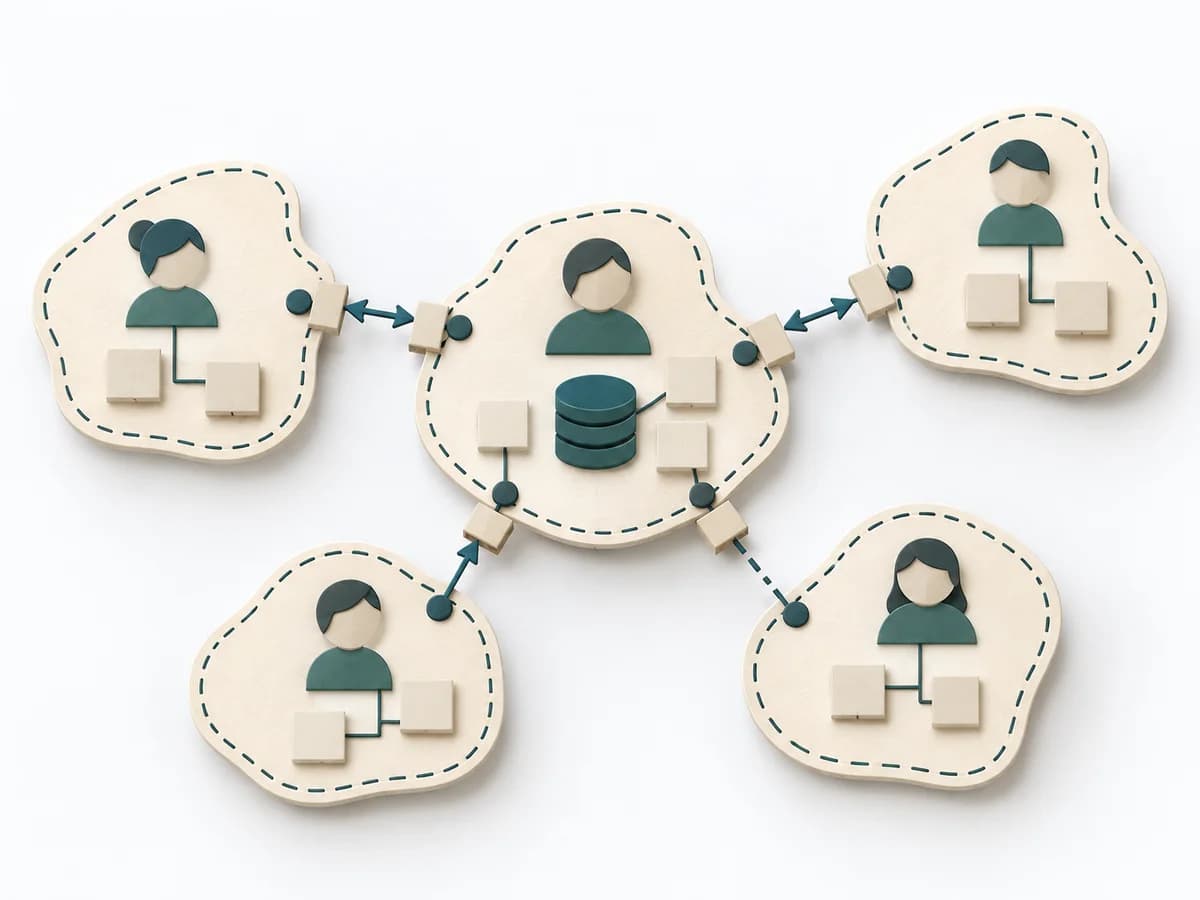 Domain Modeling Domain Context Map |
|---|---|---|---|---|
Purposedifferent | When an environment of users, systems, and constraints is hard to grasp, it puts the context compactly on the table. It creates a clear reading of influence, boundary, and dependency. | When a business context is still loosely outlined, it shapes language, responsibility, and integration space. It clarifies what belongs together and where a boundary needs to hold. | When a team faces an open question with many obvious directions, the method first creates breadth instead of premature commitment. It separates idea flow from evaluation and makes lines of thought visible, creating a pool for selection and further development. | When a domain model and its associated contexts need to be thought through together, it creates a shared overview. It connects the business view and organizational boundary into a readable whole. |
Complexitydifferent | Low | Medium | Low | Medium |
Timedifferent | 45-90 min | 1-3 h | 30-60 min | 1-3 h |
Participantsdifferent | 3-10 | 3-8 | 4-12 | 3-10 |
Formatdifferent | Workshop | Workshop + async | Workshop | Workshop |
Outputdifferent | Context canvas, Open questions, Shared context notes | Context Canvas, Glossary, Integration Notes | Idea pool, Theme clusters, Shortlist | Domain Context Map, Boundary Notes, Ownership Map |
Tagsno overlap | ContextFramingRequirementsCanvas | Domain-Driven DesignBoundariesModeling | BrainstormingIdeationCreativityWorkshopDivergence | Domain-Driven DesignContextBoundaries |