View methods side by side.
Choose up to four methods. Add them using the search and share the comparison by copying its link.
| Criterion |  Facilitation Consensus Workshop | 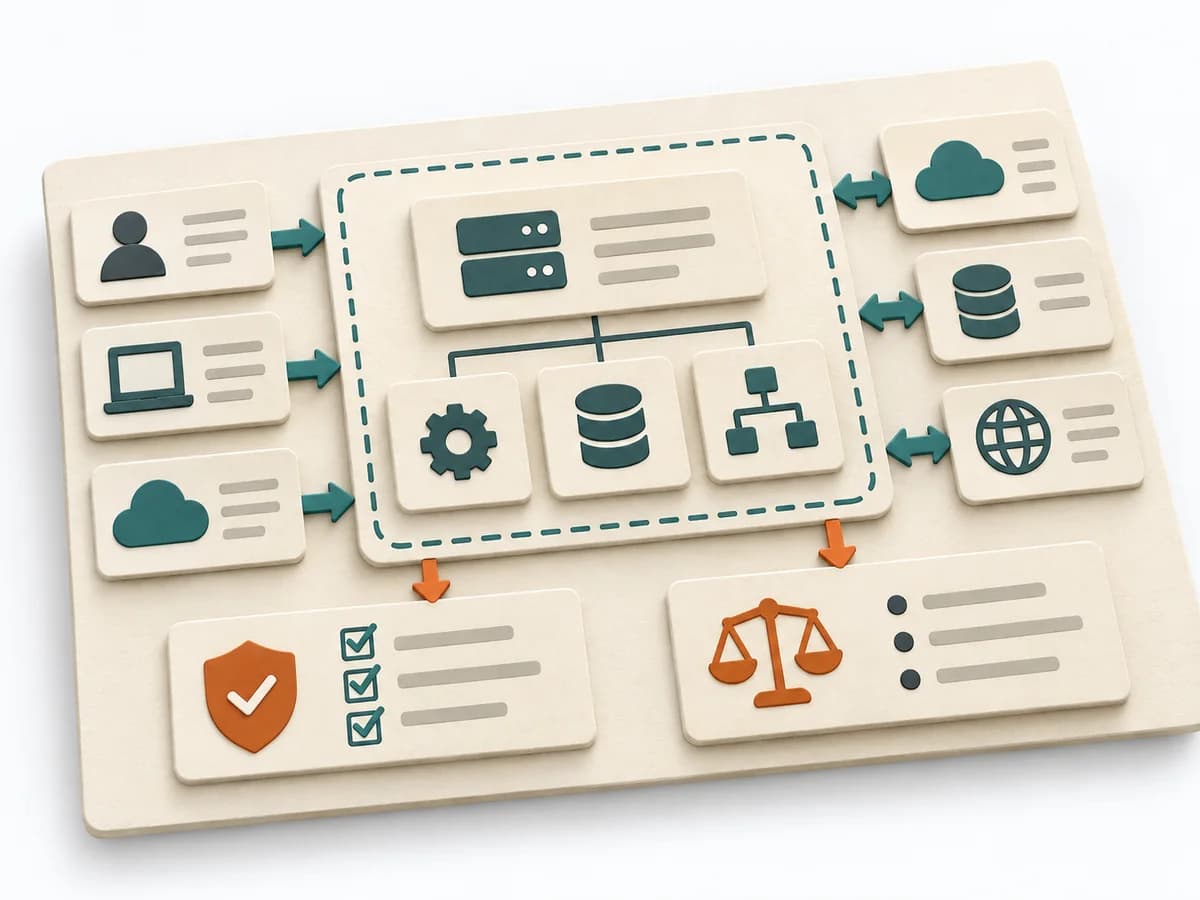 Architecture Software Architecture Canvas | 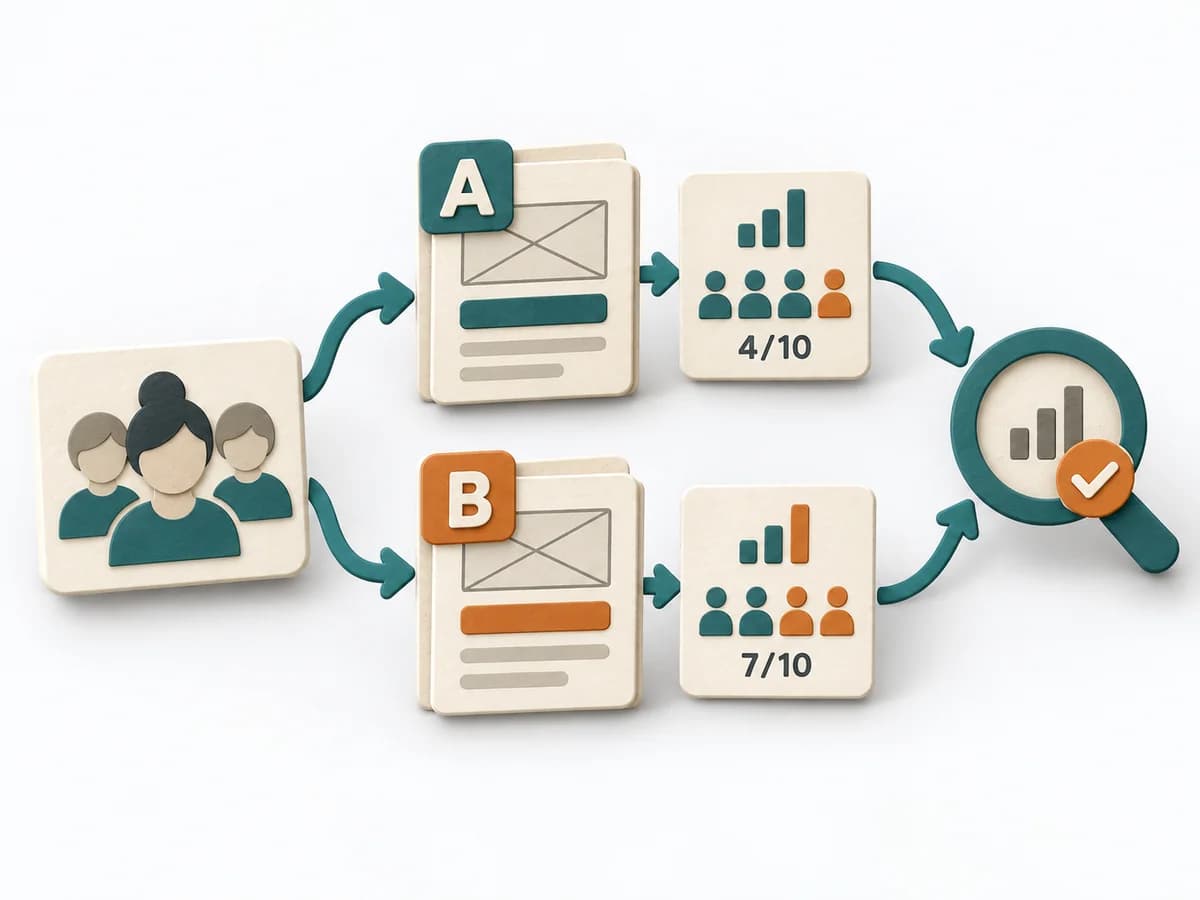 Growth A/B Testing | 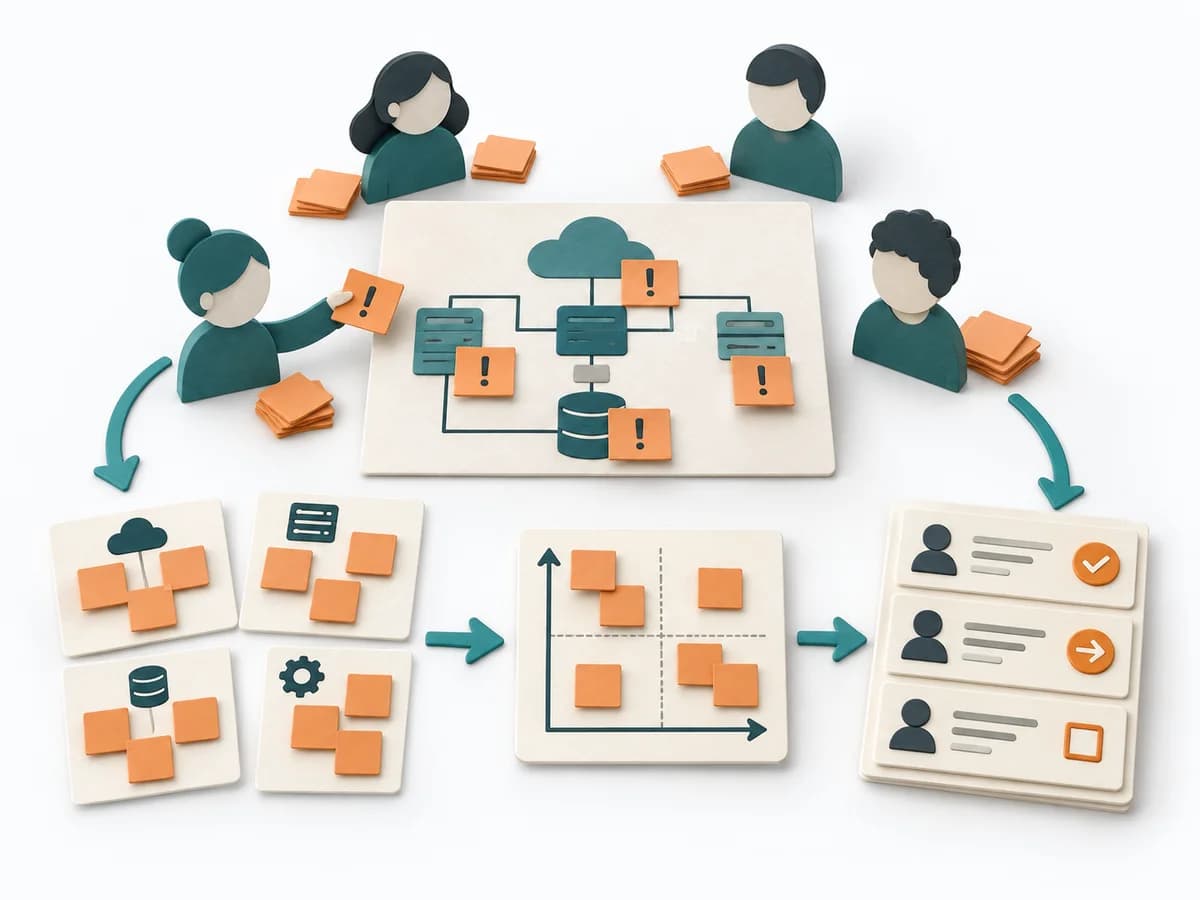 Architecture Risk Storming |
|---|---|---|---|---|
Purposedifferent | When a group needs a solid decision without outvoting individual factions, a Consensus Workshop creates a negotiable common ground. It makes agreement, reservations, and open tensions discussable at the same time. | The Software Architecture Canvas reduces a system to the most important architecture decisions, constraints, and interfaces. It is useful when teams need a resilient overall picture quickly. | When two variants compete, discussions quickly decide by taste rather than effect. A/B Testing checks behavior under controlled conditions and separates real improvement from chance or expectation effects. | Helps clarify architecture context, options, and consequences in concrete terms. It organizes technical context, alternatives, and consequences. The result is captured as an Annotated Diagram, a Prioritized Risk List, and an Action Backlog. |
Complexitydifferent | Medium | Low | High | Low |
Timedifferent | 1-3 h | 1-2 h | 1-4 Wochen | 60-90 min |
Participantsdifferent | 5-30 | 3-10 | 1-6 | 4-12 |
Formatdifferent | Workshop | Workshop | Async | Workshop |
Outputdifferent | Consensus Clusters, Theme Titles, Priority Areas | Architecture Canvas, Goals, Constraints, Quality Attributes | Experiment results, Decision log, Learning summary | Annotated Diagram, Prioritized Risk List, Action Backlog |
Tagsno overlap | FacilitationConsensusWorkshopAlignment | CanvasArchitectureAlignmentWorkshop | ExperimentsGrowthAnalyticsValidation | RiskArchitectureWorkshopValidation |