View methods side by side.
Choose up to four methods. Add them using the search and share the comparison by copying its link.
| Criterion | 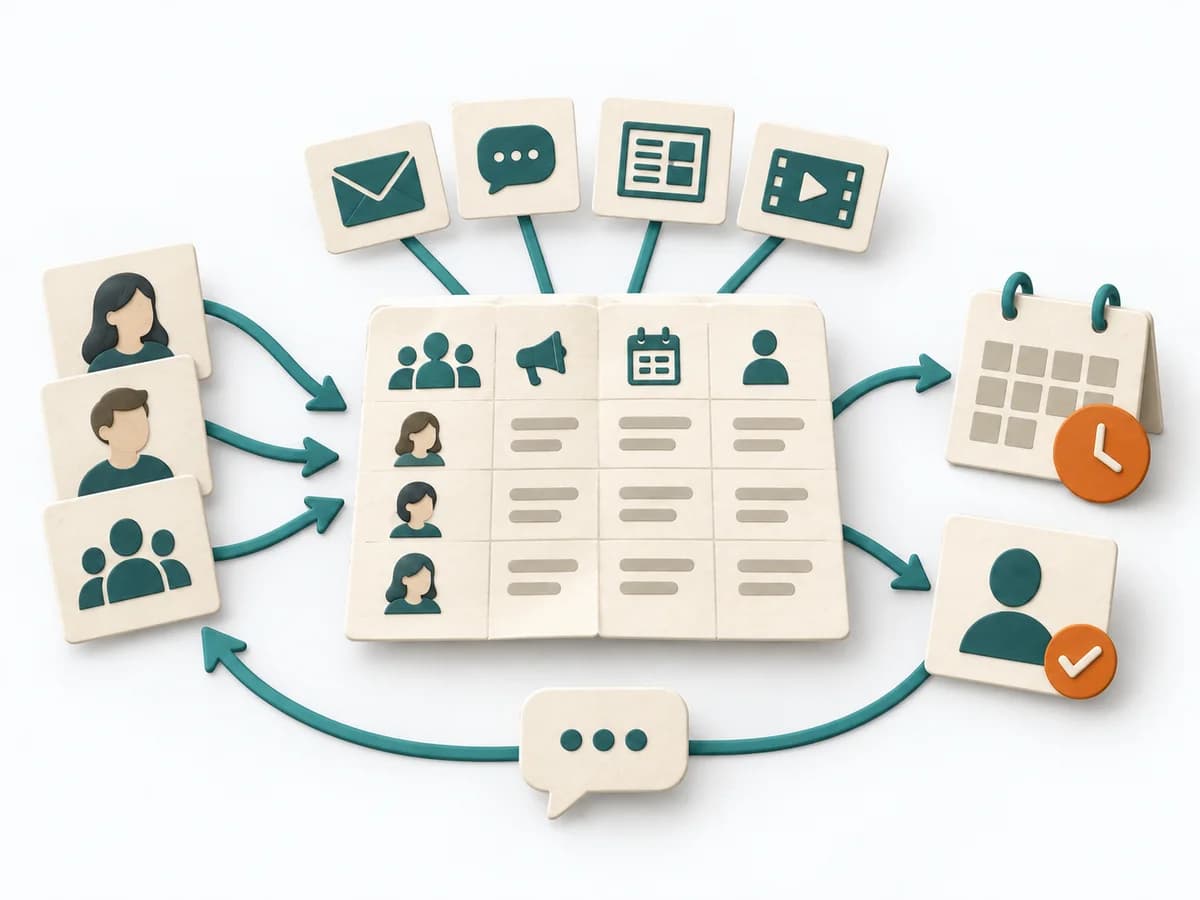 Delivery Communication Plan | 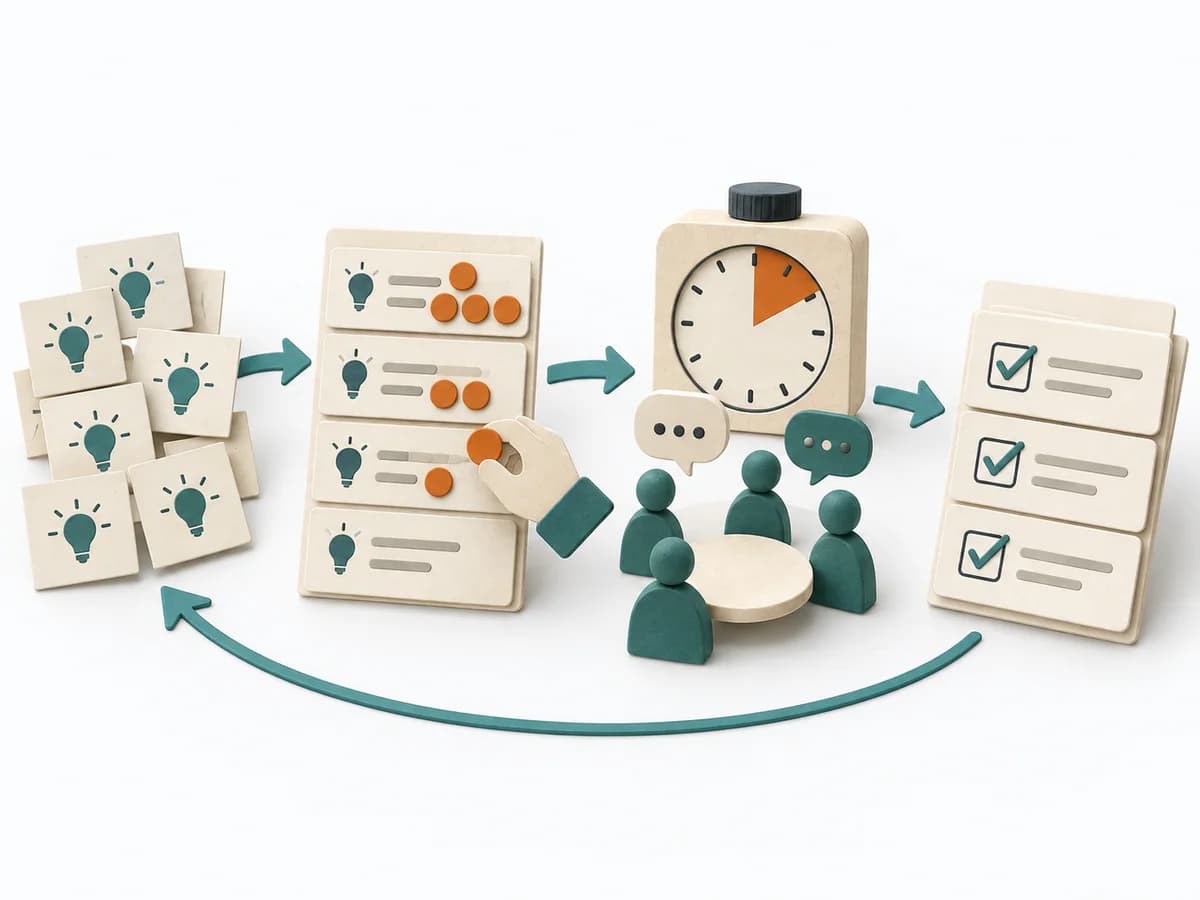 Facilitation Lean Coffee |  Facilitation Stakeholder Salience Model |  Facilitation Stakeholder Mapping |
|---|---|---|---|---|
Purposedifferent | When many people need to be informed in parallel and messages would otherwise arrive unevenly or too late, a Communication Plan orders communication reliably. Channels, audiences, and cadences interlock so important information doesn't get lost. | When a group without a fixed agenda needs to get into useful conversations quickly, Lean Coffee structures the start around interests rather than a presentation. The group itself negotiates which topics get time first and which wait. | When stakeholders appear to matter very differently, the Stakeholder Salience Model rates their actual priority through power, legitimacy, and urgency. It turns individual contributions into a visible selection. The result is captured as a Salience diagram and a class-based strategy. | When an initiative depends on many people, interests, and power dynamics, Stakeholder Mapping systematically orders the environment. It shows who influences, who is affected, and where relationship management or safeguarding matters first. |
Complexitydifferent | Low | Low | Medium | Low |
Timedifferent | 45-90 min | 30-90 min | 60-90 min | 60–90 min |
Participantsdifferent | 2-6 | 3-20 | 3-6 | 2-8 |
Formatdifferent | Workshop + async | Workshop | Workshop | Workshop + async |
Outputdifferent | Communication Plan, Channel Matrix, Message Cadence | Prioritized Topics, Discussion Notes, Action Items | Salience Diagram, Strategy per Class | Stakeholder Map, Engagement Plan, Risk Notes |
Tagsno overlap | CommunicationStakeholdersDeliveryPlanning | FacilitationAutonomyDialogue | StakeholdersFacilitationAlignmentGovernance | StakeholdersAlignmentFacilitationChange |