View methods side by side.
Choose up to four methods. Add them using the search and share the comparison by copying its link.
| Criterion | 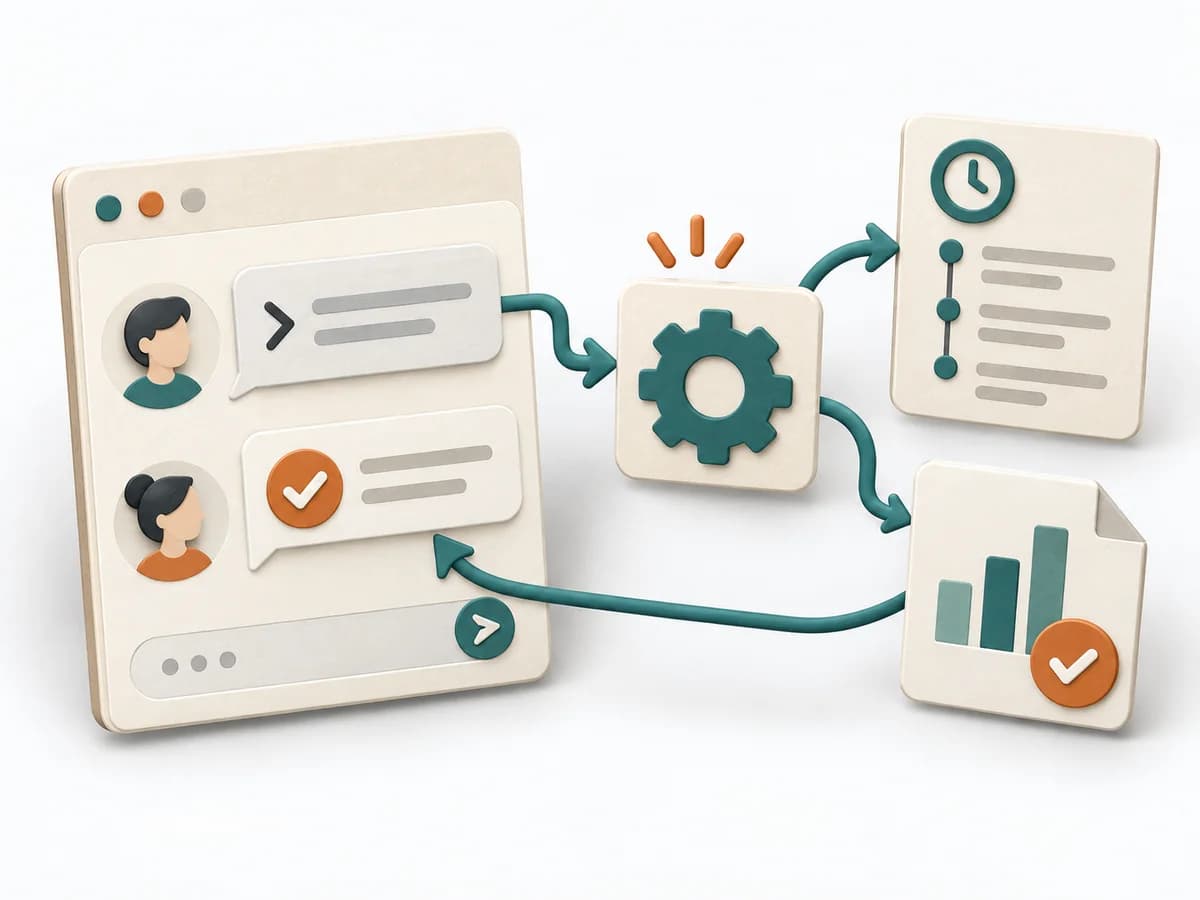 DevOps ChatOps |  Domain Modeling Context Map | 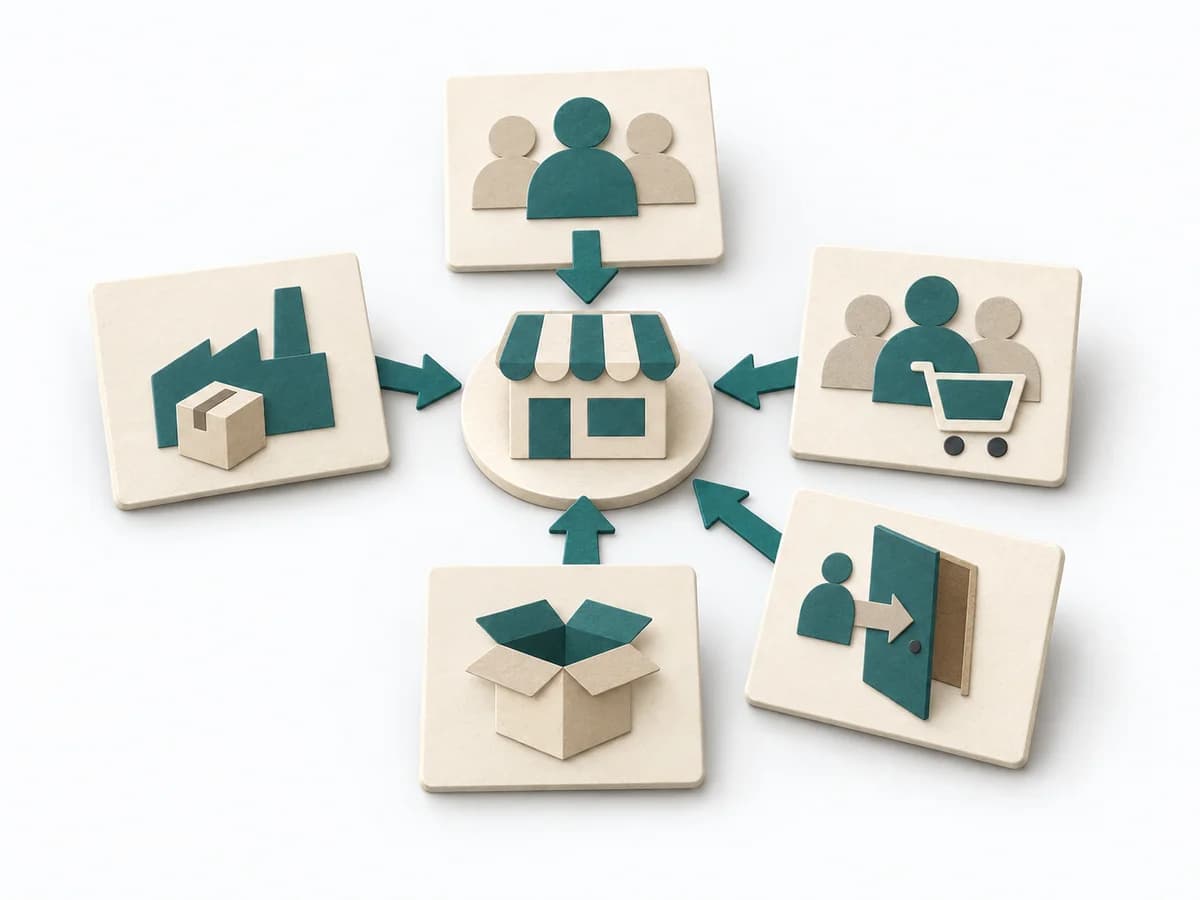 Business Strategy Porter Five Forces | 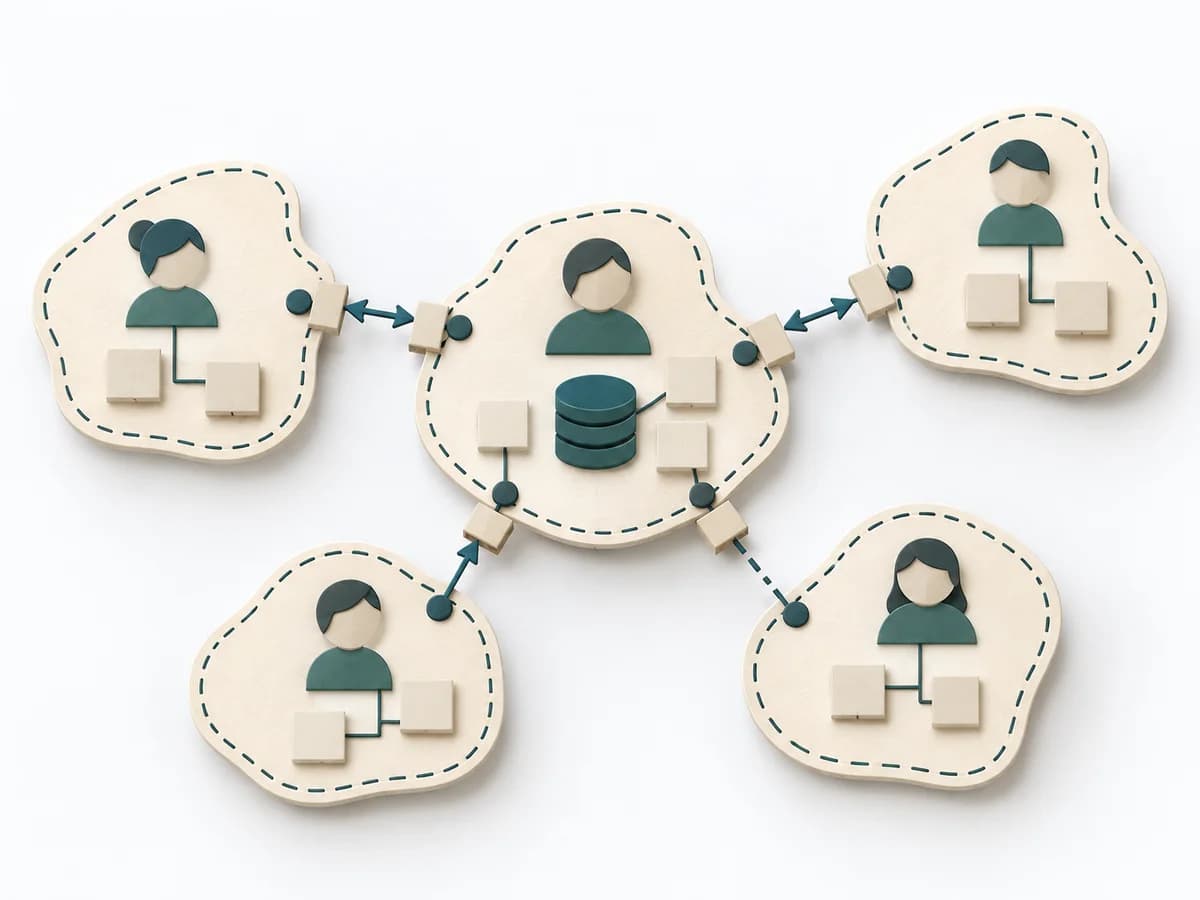 Domain Modeling Domain Context Map |
|---|---|---|---|---|
Purposedifferent | For operational work in a distributed team, the method links communication with direct system control. It records decisions right where the signal, the context, and the execution come together. | When several contexts need to talk to each other, it makes their relationships and dependencies legible. It helps sort integration pressure and responsibilities across system boundaries. | Porter Five Forces analyzes the forces that shape competitive pressure and profitability in a market. The view of market structure goes beyond individual competitors and reveals systemic pressure points. | When a domain model and its associated contexts need to be thought through together, it creates a shared overview. It connects the business view and organizational boundary into a readable whole. |
Complexitysame | Medium | Medium | Medium | Medium |
Timedifferent | Ongoing | 1-3 h | 1-3 h | 1-3 h |
Participantsdifferent | 2-20 | 2-8 | 2-8 | 3-10 |
Formatdifferent | Workshop + async | Workshop + async | Workshop + async | Workshop |
Outputdifferent | Chat Transcript, Action Log, Automations | Context Map, Integration Patterns, Boundary Notes | Five Forces Analysis, Competitive Risks, Strategic Options | Domain Context Map, Boundary Notes, Ownership Map |
Tagsno overlap | CollaborationEngineeringIncident | Domain-Driven DesignBoundariesStrategy | StrategyCompetitionMarket | Domain-Driven DesignContextBoundaries |