View methods side by side.
Choose up to four methods. Add them using the search and share the comparison by copying its link.
| Criterion |  Operations Change Analysis | 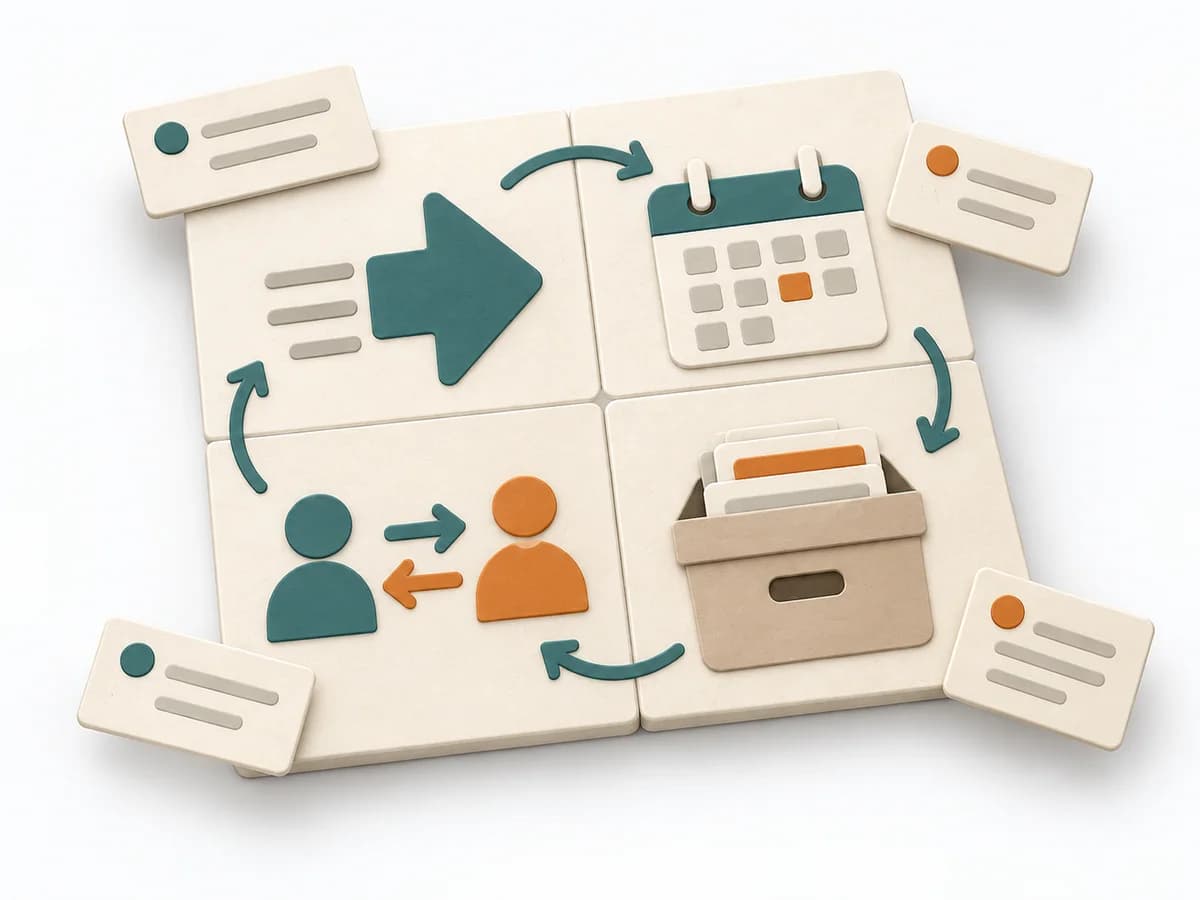 Decision Making Eisenhower Matrix |  Facilitation Stakeholder Mapping | 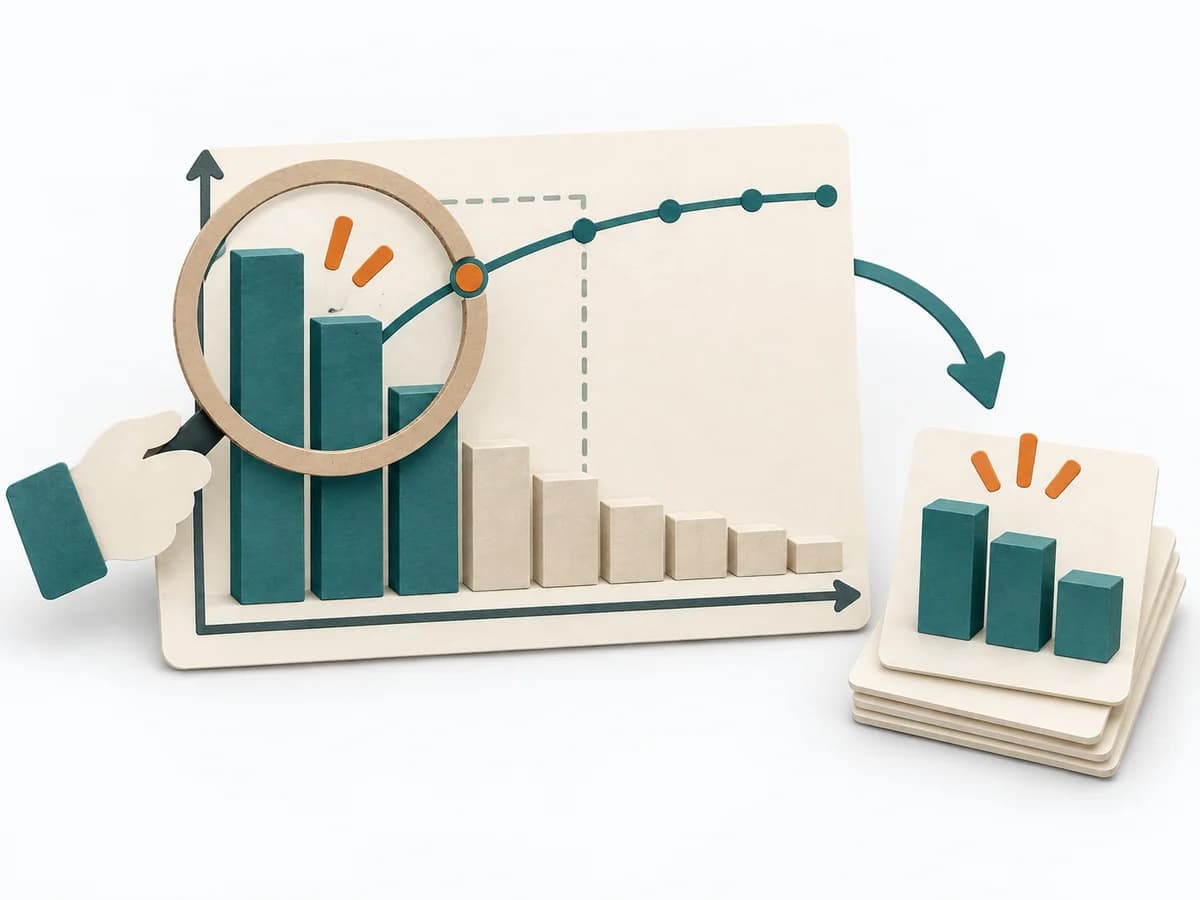 Decision Making Pareto Analysis |
|---|---|---|---|---|
Purposedifferent | For a deviation after a change, the method isolates the influence of the altered condition. It narrows down which differences are relevant and which are just accompanying noise. | It separates true priorities from noise so it becomes clear what should be done now, scheduled, delegated, or dropped. | When an initiative depends on many people, interests, and power dynamics, Stakeholder Mapping systematically orders the environment. It shows who influences, who is affected, and where relationship management or safeguarding matters first. | In many problem situations, effect is distributed unequally across many causes. A Pareto Analysis separates the few drivers with high leverage from the long remainder and focuses attention on what measurably moves the needle. |
Complexitydifferent | Medium | Low | Low | Low |
Timedifferent | 45-120 min | 15-30 min | 60–90 min | 30-60 min |
Participantsdifferent | 2-6 | 1-6 | 2-8 | 1-6 |
Formatsame | Workshop + async | Workshop + async | Workshop + async | Workshop + async |
Outputdifferent | Change Matrix, Cause Hypotheses, Validation Questions, Action List | Eisenhower Matrix, Action List, Delegation Notes | Stakeholder Map, Engagement Plan, Risk Notes | Pareto Chart, Top Causes, Focus List |
Tagsno overlap | ChangeRoot causeTroubleshootingComparison | PrioritizationFocusTasks | StakeholdersAlignmentFacilitationChange | PrioritizationQualityFocusRoot cause |