View methods side by side.
Choose up to four methods. Add them using the search and share the comparison by copying its link.
| Criterion | 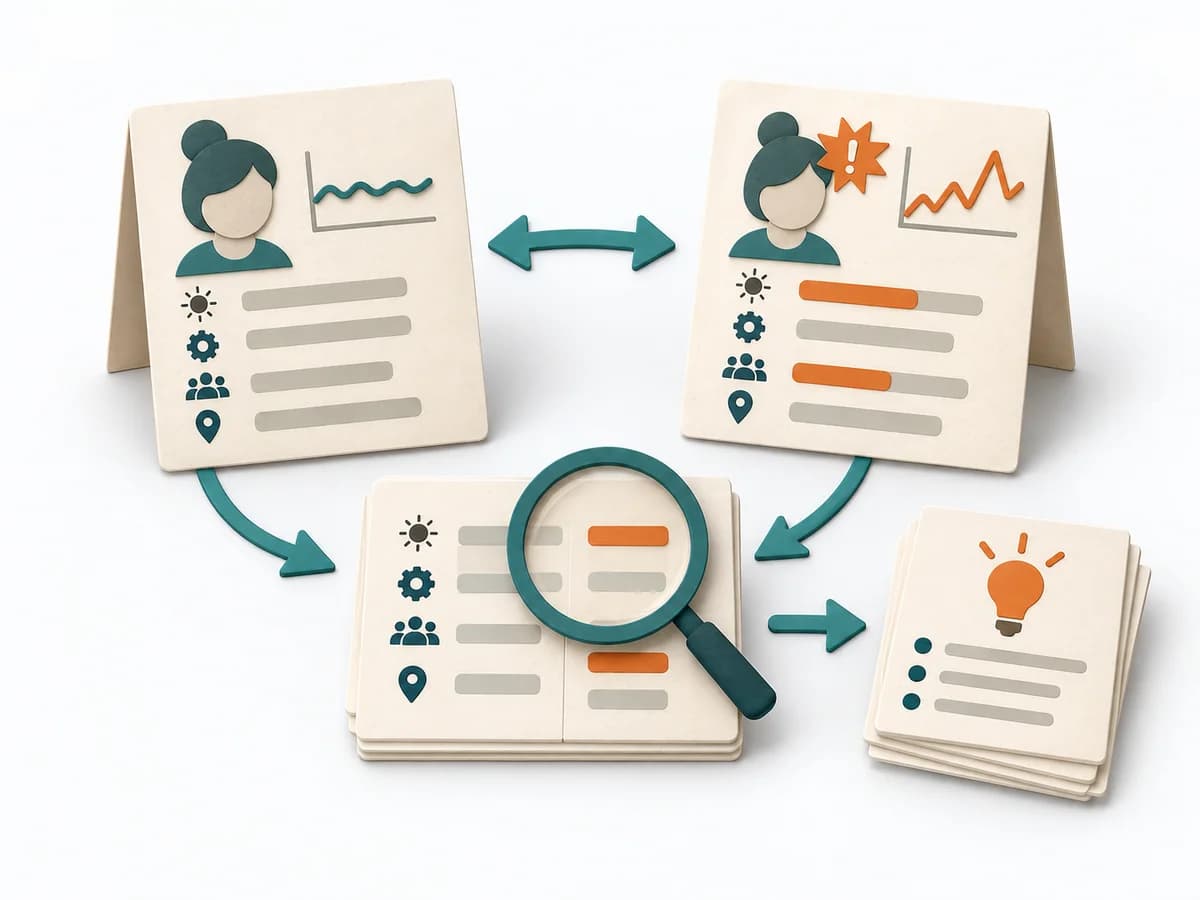 Operations Change Analysis |  Facilitation Dot Voting | 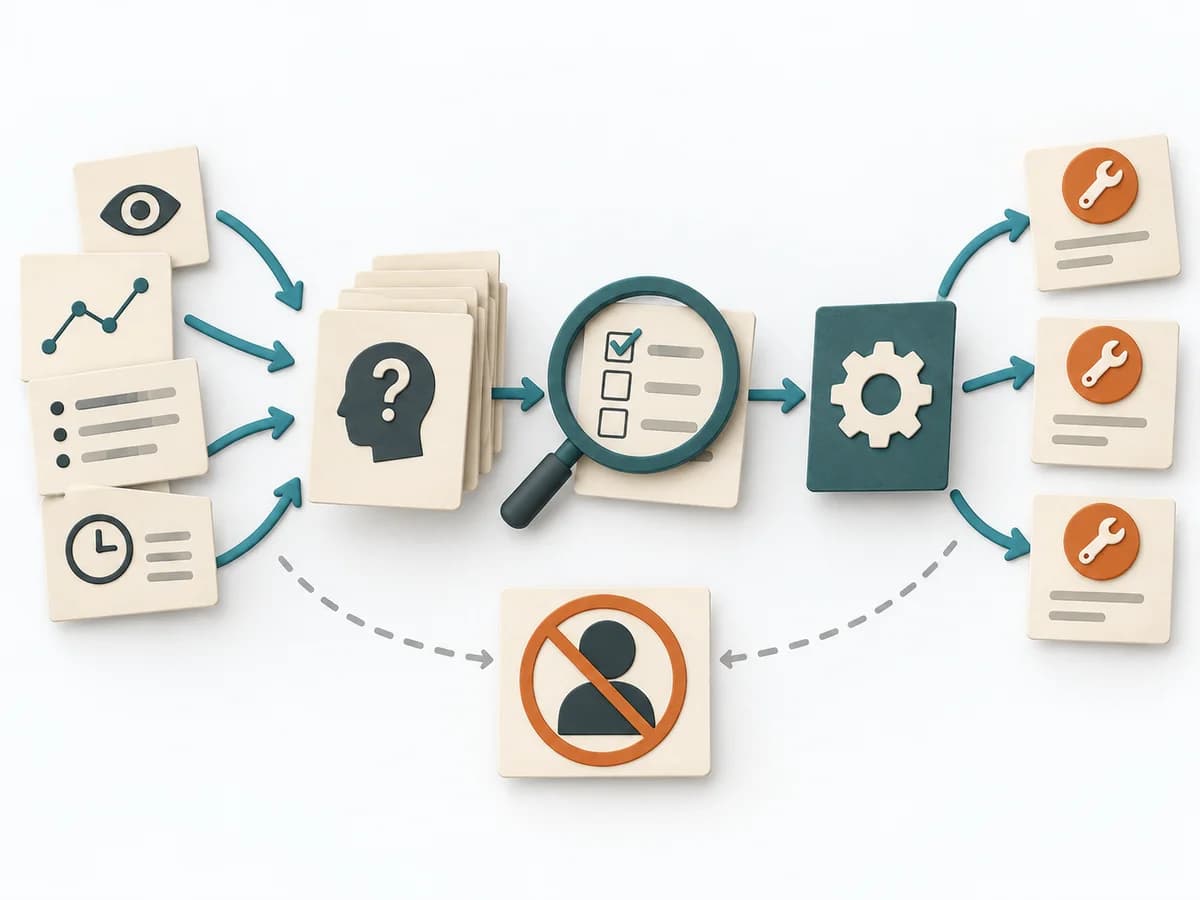 Operations Root Cause Analysis | 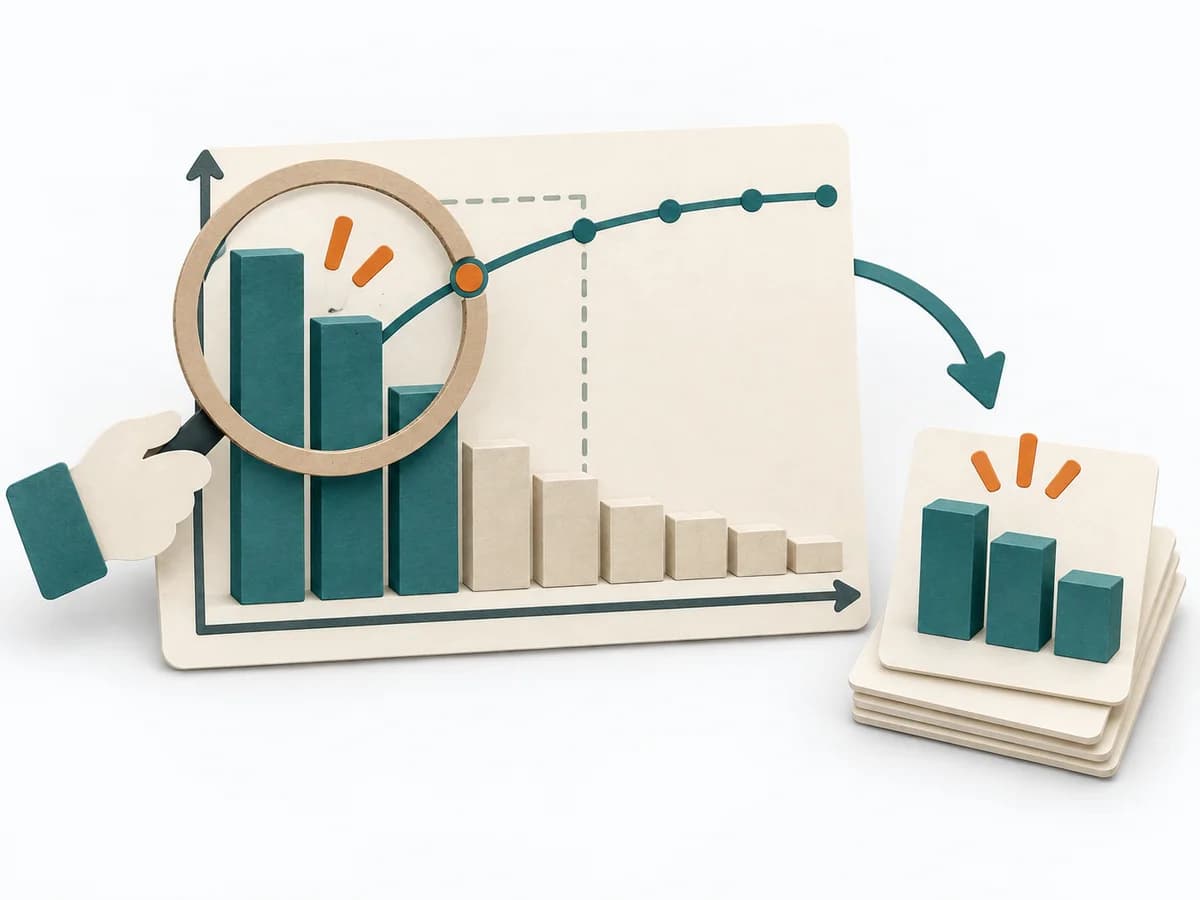 Decision Making Pareto Analysis |
|---|---|---|---|---|
Purposedifferent | For a deviation after a change, the method isolates the influence of the altered condition. It narrows down which differences are relevant and which are just accompanying noise. | When a workshop has produced too many options and the group needs to condense quickly, dot voting makes preferences visible in a short time. It bundles individual votes into a solid signal for the next selection. | When a problem keeps recurring and the cause stays unclear, the method exposes the underlying mechanism. It separates symptom, guess, and robust explanation from one another. | In many problem situations, effect is distributed unequally across many causes. A Pareto Analysis separates the few drivers with high leverage from the long remainder and focuses attention on what measurably moves the needle. |
Complexitydifferent | Medium | Low | Medium | Low |
Timedifferent | 45-120 min | 5-15 min | 1-4 h | 30-60 min |
Participantsdifferent | 2-6 | 3-20 | 3-8 | 1-6 |
Formatdifferent | Workshop + async | Workshop | Workshop + async | Workshop + async |
Outputdifferent | Change Matrix, Cause Hypotheses, Validation Questions, Action List | Ranked list, Consensus signal, Shortlist | Problem Statement, Cause Hypotheses, Confirmed Causes, Action Plan | Pareto Chart, Top Causes, Focus List |
Tagsno overlap | ChangeRoot causeTroubleshootingComparison | FacilitationVotingConsensusPrioritization | Root causeProblem solvingQualityIncident | PrioritizationQualityFocusRoot cause |