View methods side by side.
Choose up to four methods. Add them using the search and share the comparison by copying its link.
Selected:CATWOE AnalysisStakeholder MappingArchitecture Communication CanvasSoftware Architecture Canvas
| Criterion |  Systems Thinking CATWOE Analysis |  Facilitation Stakeholder Mapping | 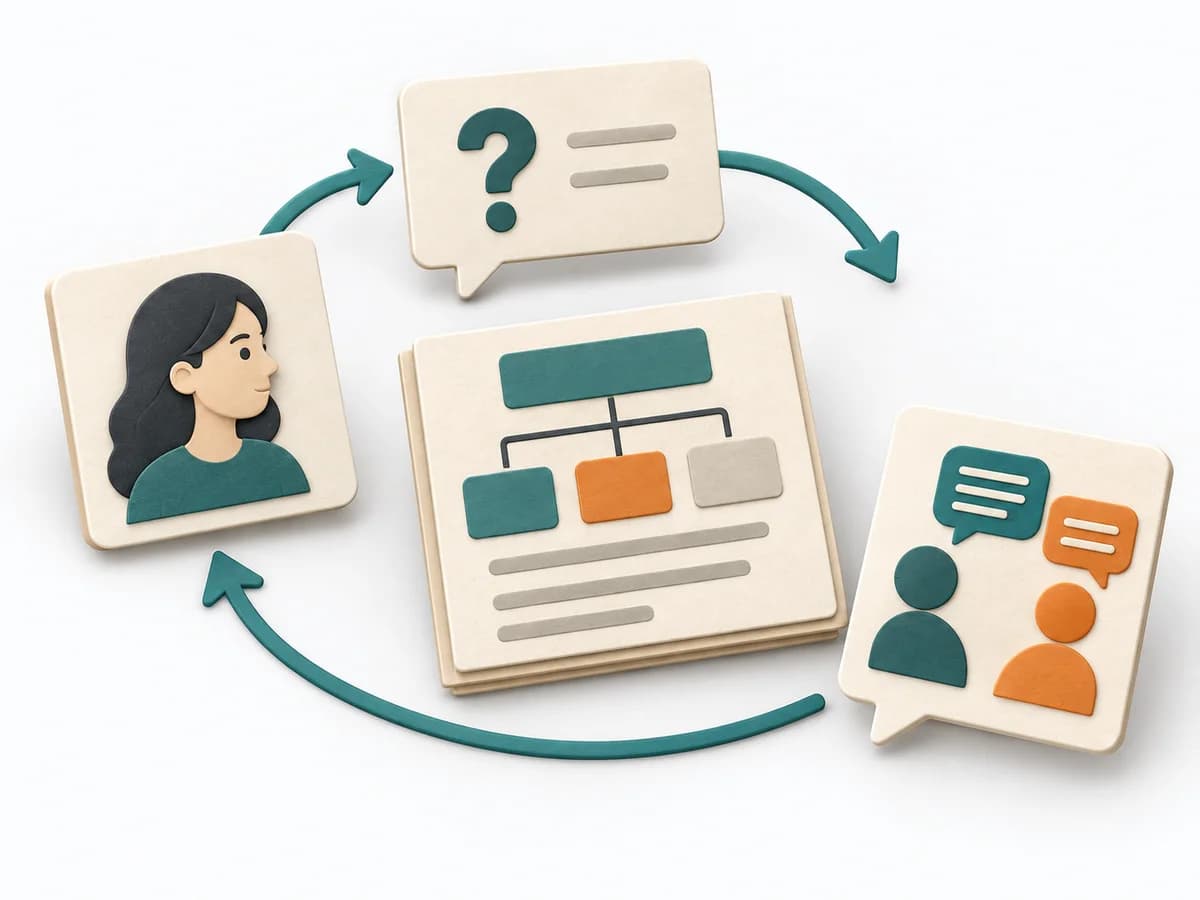 Architecture Architecture Communication Canvas | 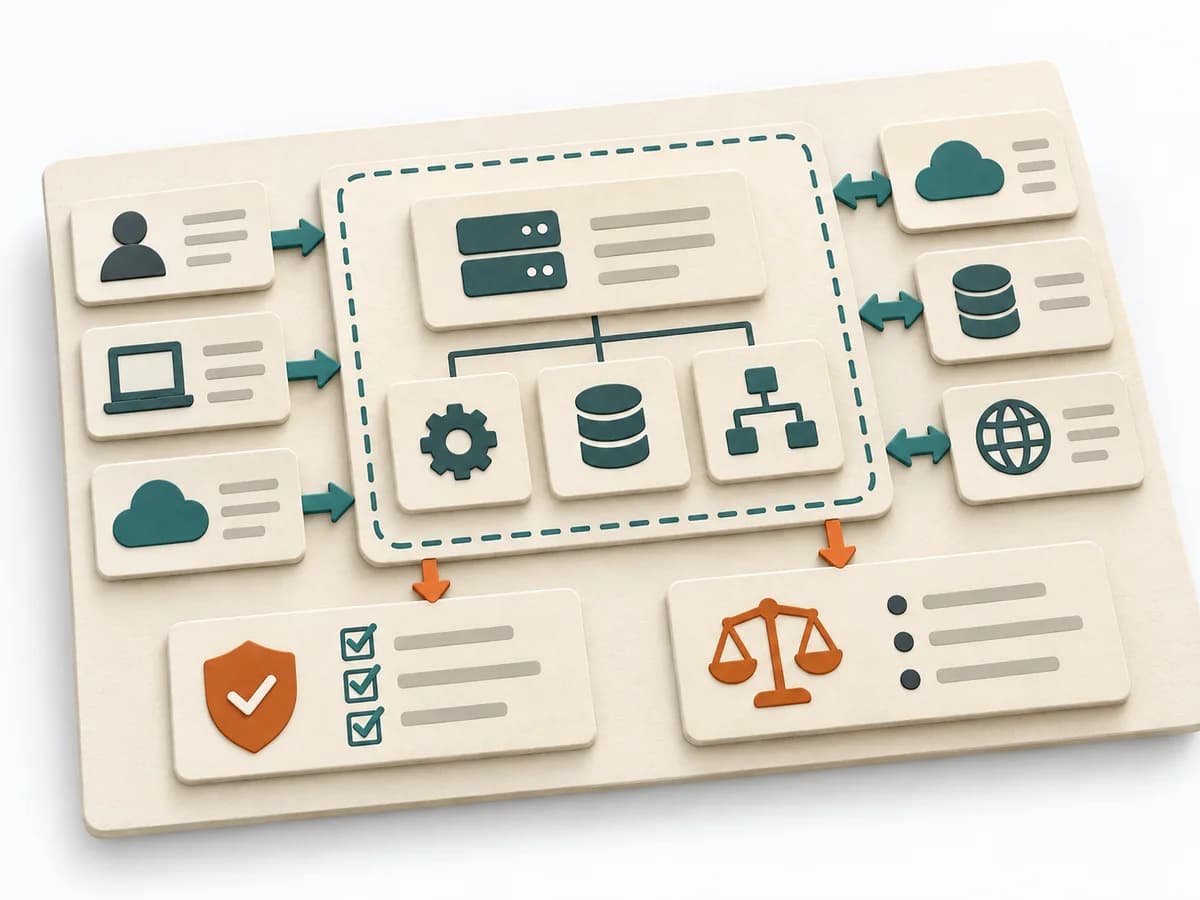 Architecture Software Architecture Canvas |
|---|---|---|---|---|
Purposedifferent | CATWOE structures a problem from six viewpoints and prevents too narrow a view of the situation. Different experiences of the system become comparably discussable this way. | When an initiative depends on many people, interests, and power dynamics, Stakeholder Mapping systematically orders the environment. It shows who influences, who is affected, and where relationship management or safeguarding matters first. | The Architecture Communication Canvas plans architecture communication so the right people receive the right message. The method turns technical complexity into deliberate communication design. | The Software Architecture Canvas reduces a system to the most important architecture decisions, constraints, and interfaces. It is useful when teams need a resilient overall picture quickly. |
Complexitydifferent | Medium | Low | Medium | Low |
Timedifferent | 45-90 min | 60–90 min | 60-120 min | 1-2 h |
Participantsdifferent | 3-8 | 2-8 | 2-8 | 3-10 |
Formatdifferent | Workshop + async | Workshop + async | Workshop + async | Workshop |
Outputdifferent | CATWOE Canvas, Root Definition, Stakeholder Perspectives, Constraints | Stakeholder Map, Engagement Plan, Risk Notes | Communication Canvas, Stakeholder Messages, Architecture Communication Plan | Architecture Canvas, Goals, Constraints, Quality Attributes |
Tagsno overlap | Systems thinkingFramingStakeholders | StakeholdersAlignmentFacilitationChange | ArchitectureCommunicationStakeholdersCanvas | CanvasArchitectureAlignmentWorkshop |