View methods side by side.
Choose up to four methods. Add them using the search and share the comparison by copying its link.
| Criterion |  Systems Thinking CATWOE Analysis | 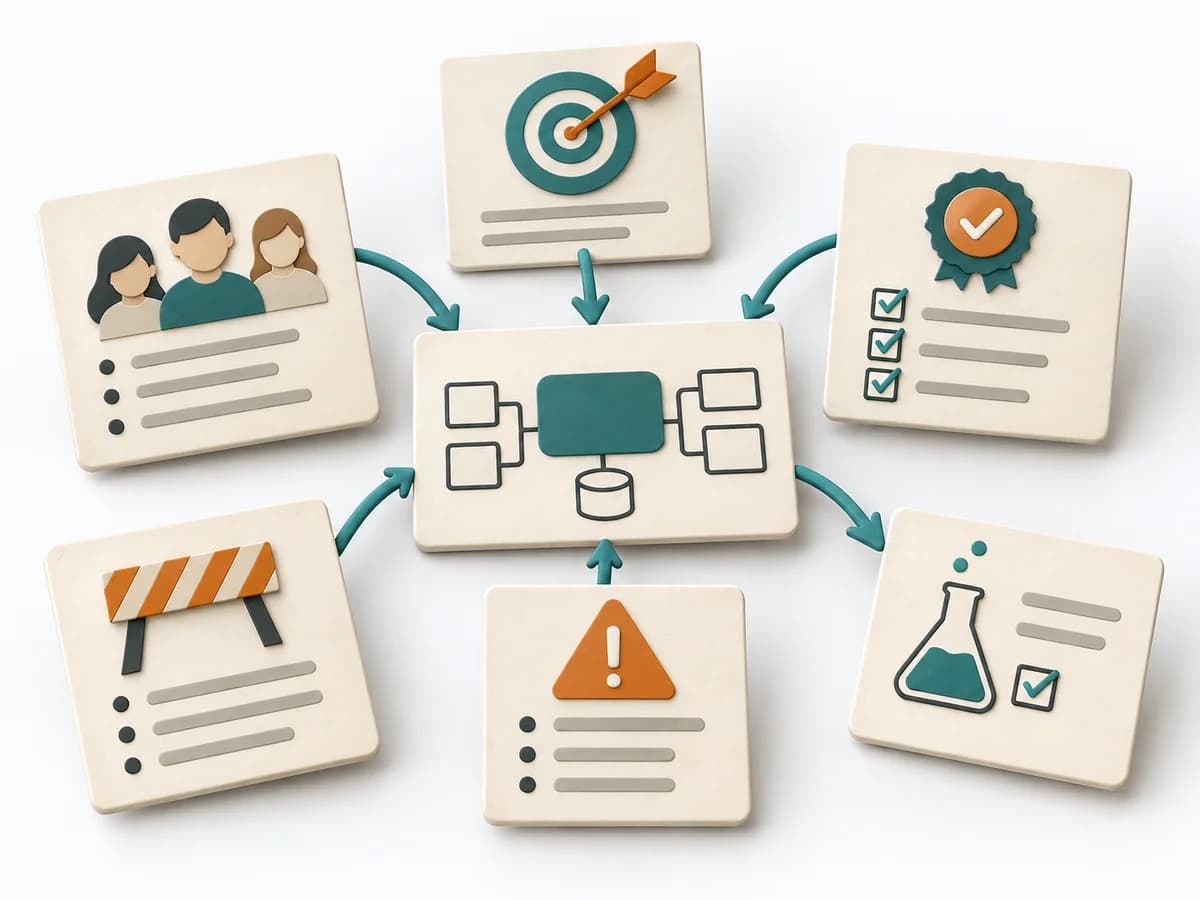 Architecture Architecture Inception Canvas |  Agile ROAM Board | 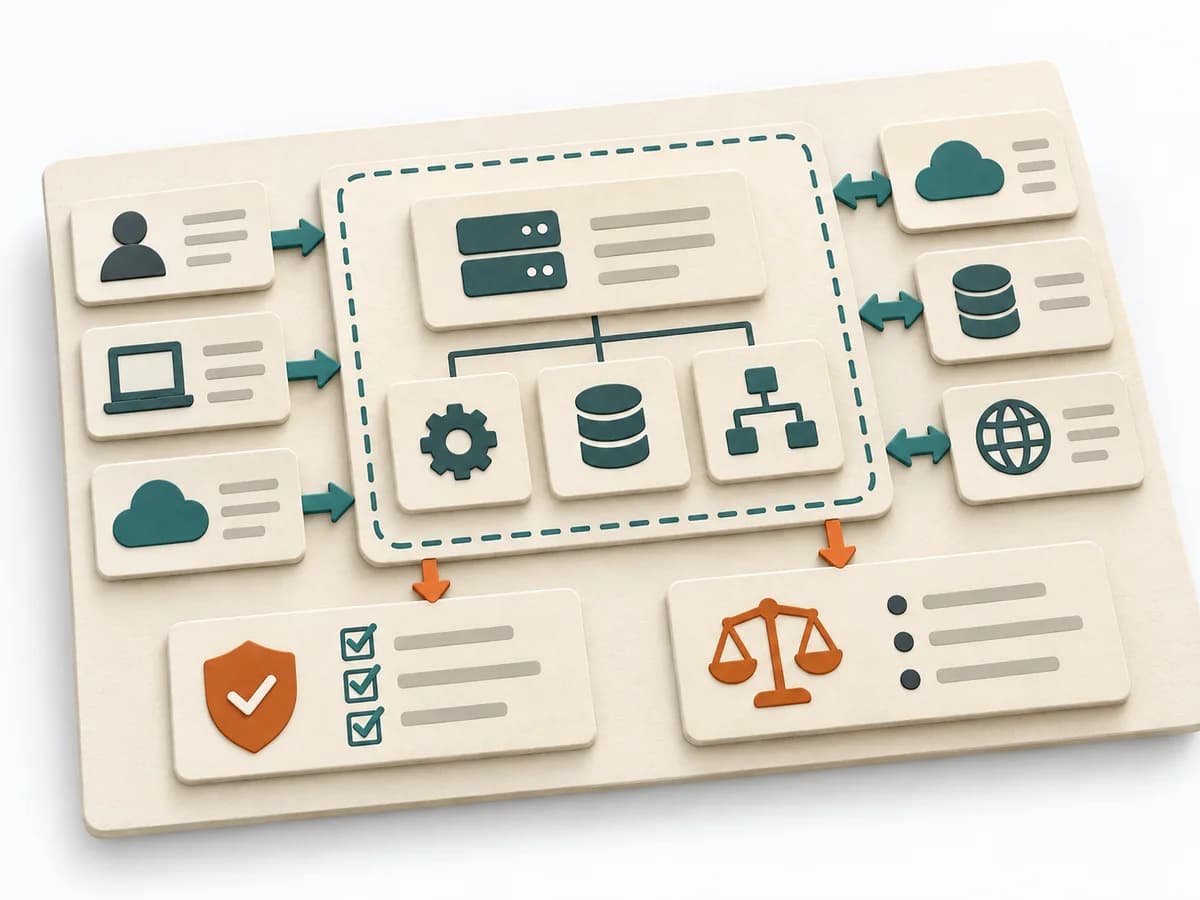 Architecture Software Architecture Canvas |
|---|---|---|---|---|
Purposedifferent | CATWOE structures a problem from six viewpoints and prevents too narrow a view of the situation. Different experiences of the system become comparably discussable this way. | The Architecture Inception Canvas bundles the first architecture questions into a compact decision picture. It fits when an initiative is still in motion but still needs clear guardrails. | When work needs to move between different states or columns, it makes that movement and its handoffs legible. It sorts work by value, risk, and delivery ability. The result is captured as a ROAM Board and an Owner List. | The Software Architecture Canvas reduces a system to the most important architecture decisions, constraints, and interfaces. It is useful when teams need a resilient overall picture quickly. |
Complexitydifferent | Medium | Low | Low | Low |
Timedifferent | 45-90 min | 1-2 h | 20-40 min initial, dann laufend | 1-2 h |
Participantsdifferent | 3-8 | 3-8 | 3-15 | 3-10 |
Formatdifferent | Workshop + async | Workshop | Workshop + async | Workshop |
Outputdifferent | CATWOE Canvas, Root Definition, Stakeholder Perspectives, Constraints | Inception Canvas, Risks, Goal List, Open Questions | ROAM Board, Owner List | Architecture Canvas, Goals, Constraints, Quality Attributes |
Tagsno overlap | Systems thinkingFramingStakeholders | AlignmentArchitectureCanvas | RiskAgileTrackingAlignment | CanvasArchitectureAlignmentWorkshop |