View methods side by side.
Choose up to four methods. Add them using the search and share the comparison by copying its link.
| Criterion |  UX Research Card Sorting | 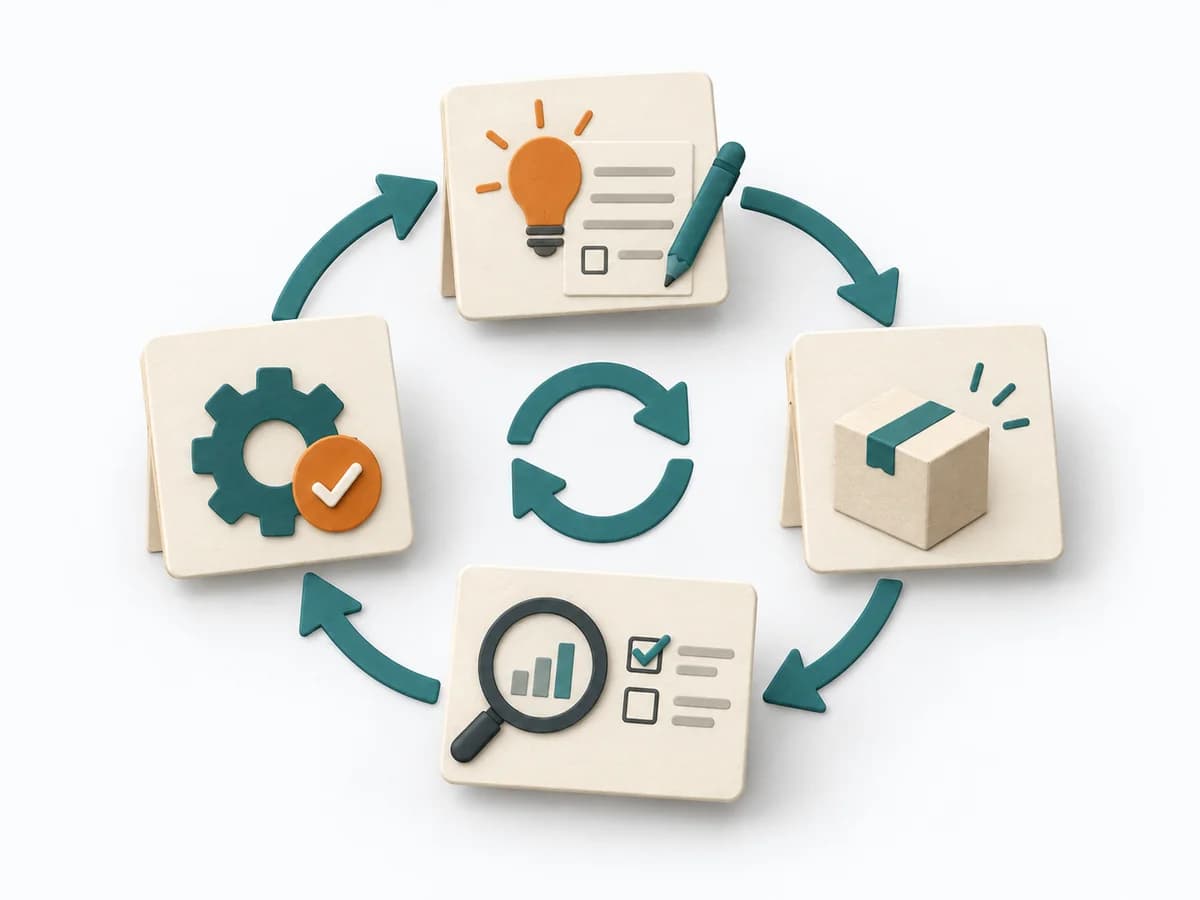 Operations PDCA Cycle | 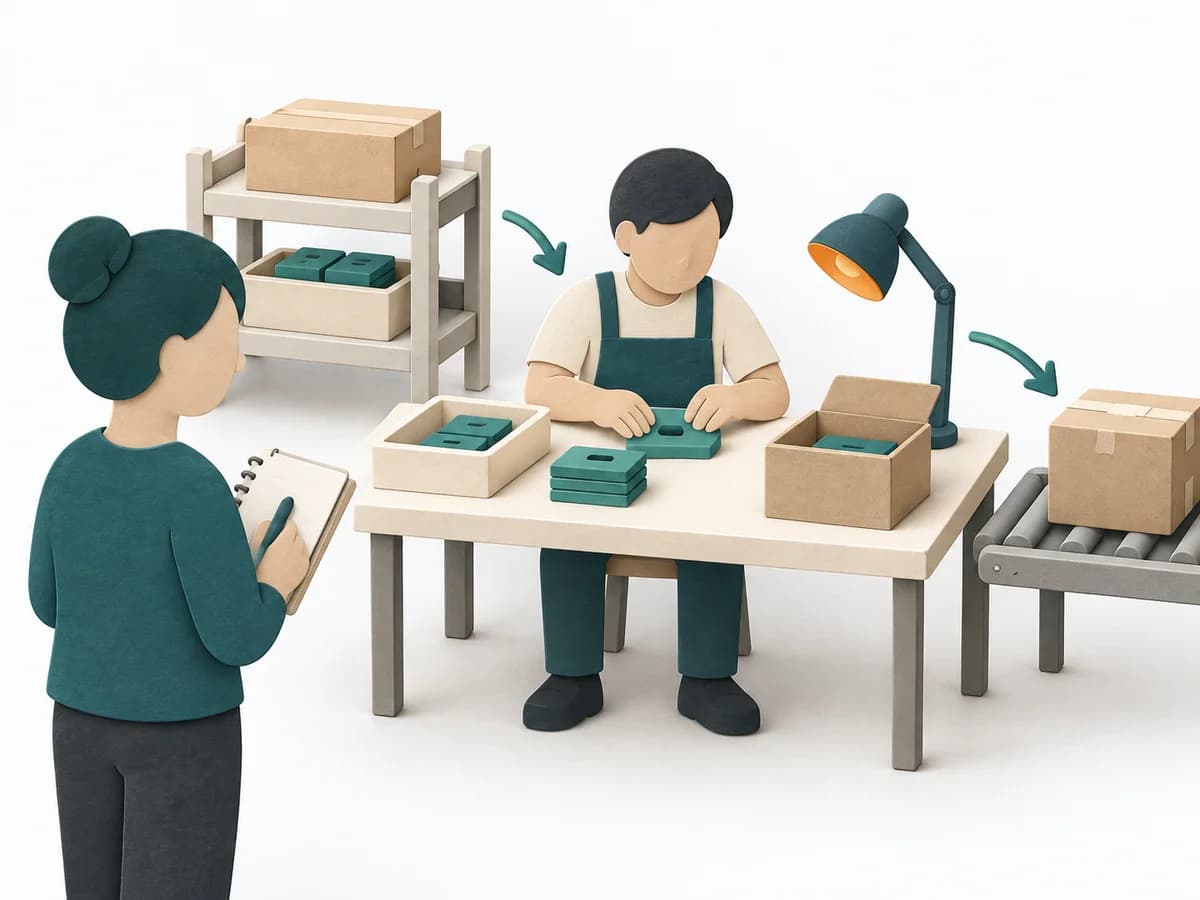 Operations Gemba Walk | 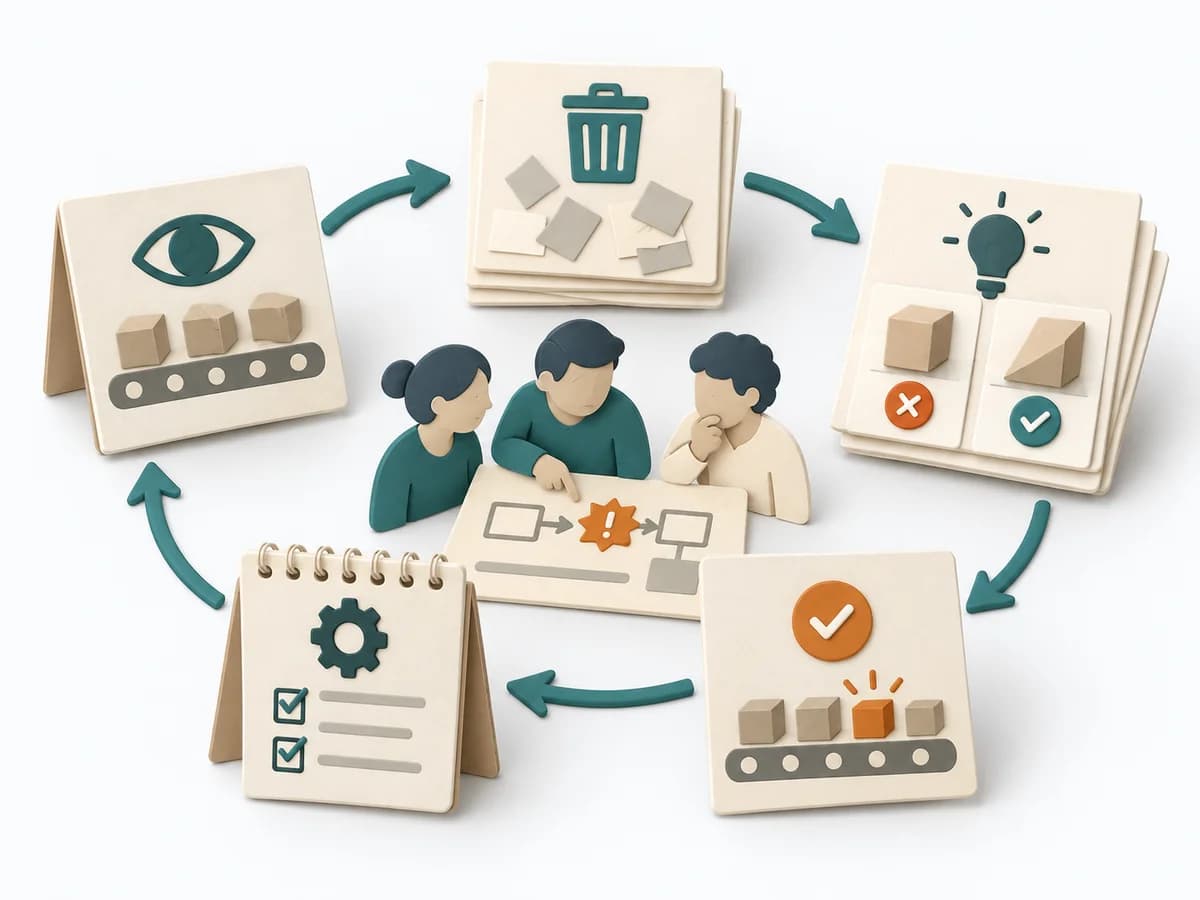 Operations Kaizen Event |
|---|---|---|---|---|
Purposedifferent | When content only makes sense internally and users can't find the structure again, card sorting exposes their mental order. Terms, groups, and naming are then aligned with the target group's expectations. | For an improvement that still has to prove itself in everyday work, the method runs it through small learning loops. It connects planning, checking, and standardization into a repeatable learning mode. | When there is uncertainty about the real course of a process, the method brings observation to the place where work happens. It combines perception, follow-up questions, and process knowledge so decisions rest on actual workflows instead of assumptions. | For a tightly scoped process segment with noticeable waste, the method bundles shared energy for change. It suits situations that call for fast learning loops and visible adjustments. |
Complexitydifferent | Low | Low | Low | Medium |
Timedifferent | 20-45 min | 1 h bis mehrere Wochen | 30-120 min | 0.5-5 Tage |
Participantsdifferent | Based on research question | 1-8 | 2-6 | 4-10 |
Formatdifferent | Workshop + async | Workshop + async | Workshop | Workshop |
Outputdifferent | Content groups, Label set, IA hypotheses | PDCA Log, Experiment Plan, Learning Outcome, Standard Change | Observation Notes, Improvement Ideas | Kaizen Charter, Waste List, Improvement Experiments, Standard Work Update |
Tagsno overlap | Information architectureNavigationStructure | Continuous improvementLeanExperiments | LeanObservationProcessOperations | LeanContinuous improvementOperations |