View methods side by side.
Choose up to four methods. Add them using the search and share the comparison by copying its link.
| Criterion | 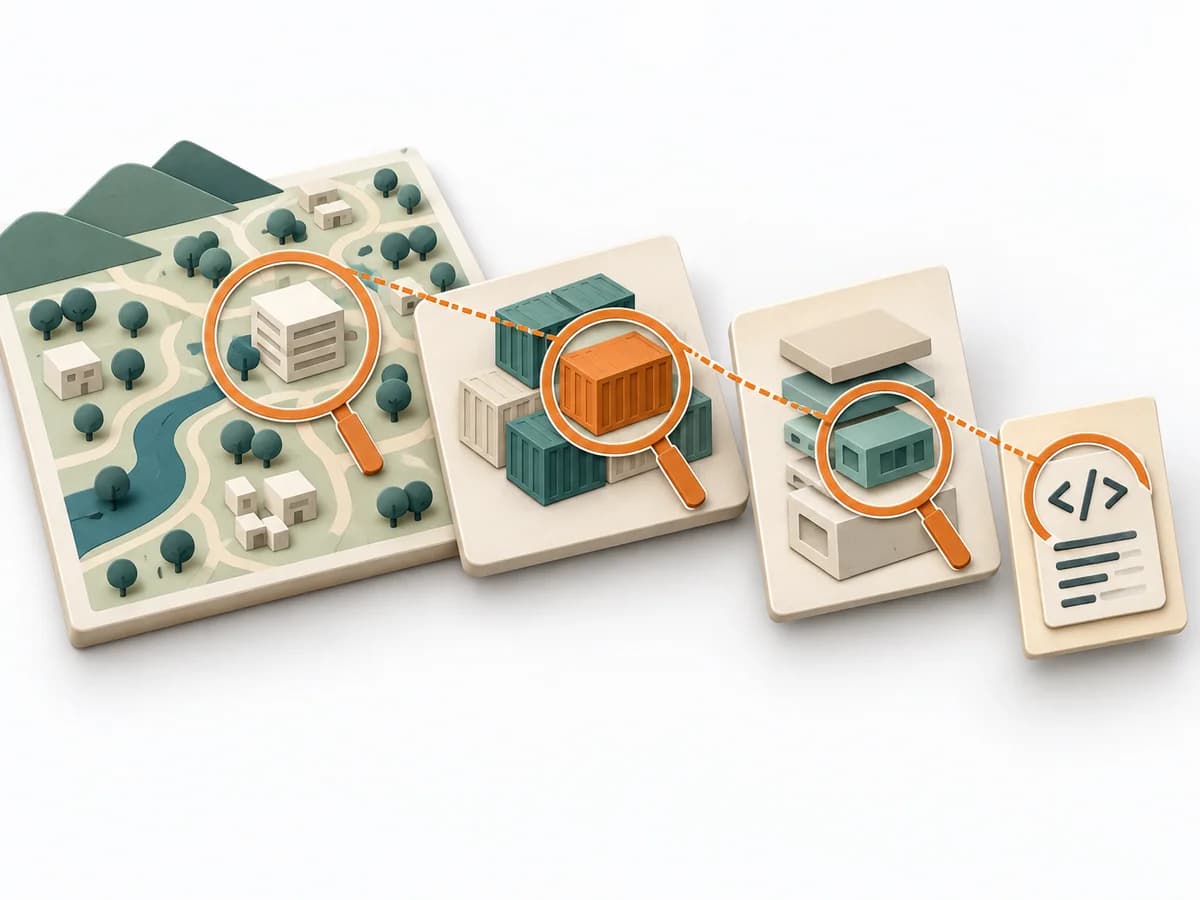 Architecture C4 Model |  Engineering Hypothesis-Driven Troubleshooting | 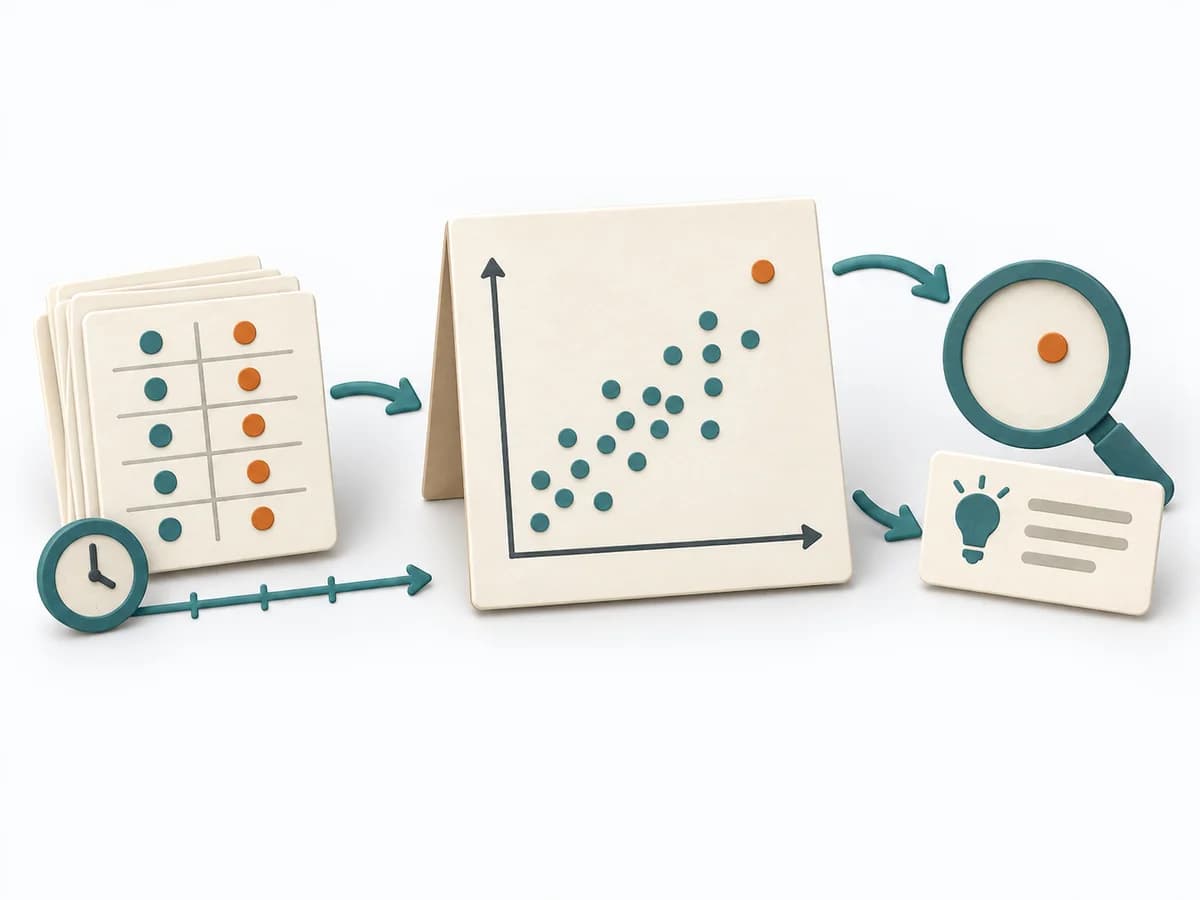 Operations Scatter Diagram | 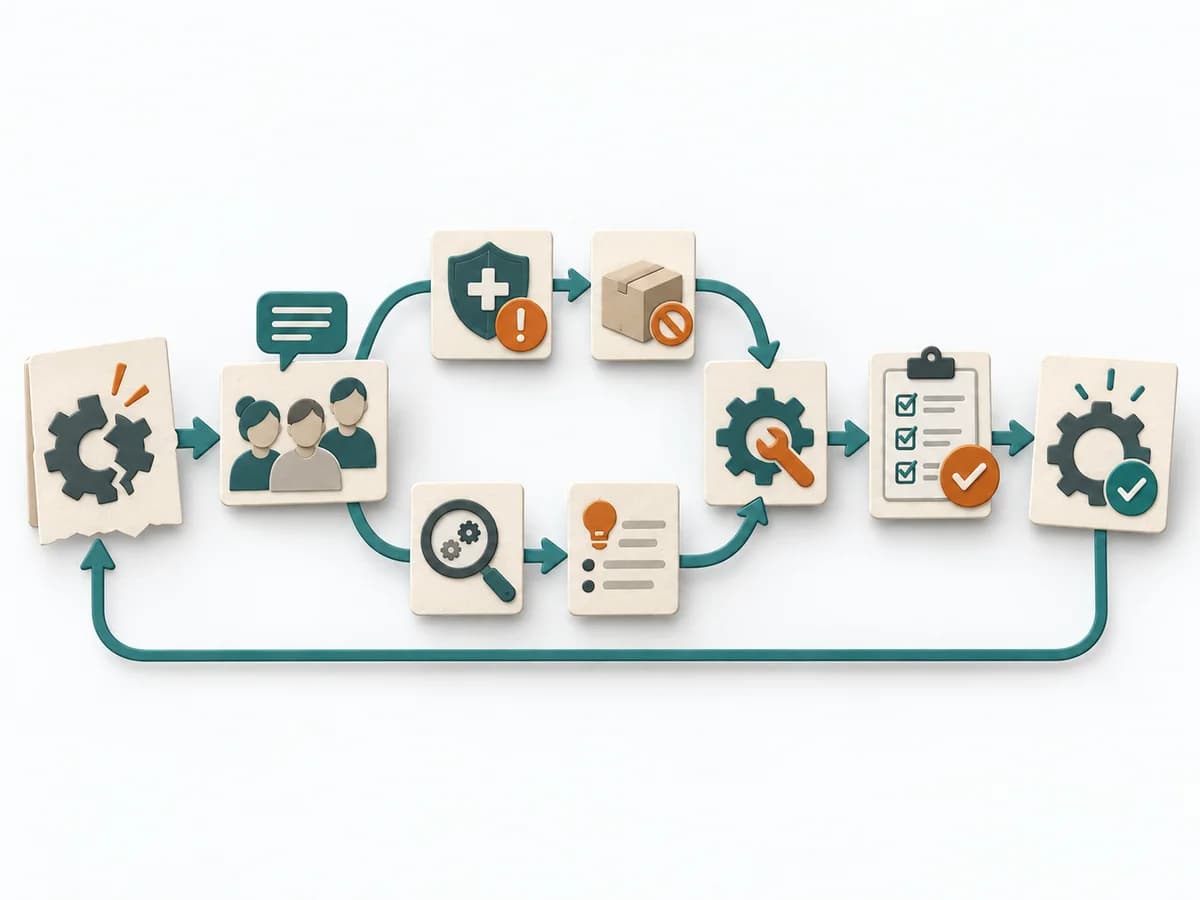 Operations 8D Problem Solving |
|---|---|---|---|---|
Purposedifferent | The C4 Model makes a system legible across several resolution levels, from context down to code. It suits situations where different audiences need to understand the same architecture from different altitudes. | When systems fail unexpectedly, spontaneous attempts often produce more noise than insight. Hypothesis-driven Troubleshooting translates symptoms into testable assumptions and makes troubleshooting learnable. | When the question is whether two measures are related, the method makes patterns in the data picture visible. It separates felt correlations from relationships that actually show up in the data. | For an acute quality or delivery problem, the method structures immediate protection and root cause work together. It keeps the situation stable while the actual cause is investigated cleanly. |
Complexitydifferent | Low | Medium | Low | High |
Timedifferent | 1-4 h | 30-240 min | 30-90 min | 1-6 Wochen |
Participantsdifferent | 1-5 | 1-6 | 1-4 | 4-10 |
Formatsame | Workshop + async | Workshop + async | Workshop + async | Workshop + async |
Outputdifferent | Context Diagram, Container Diagram, Component Diagram | Hypothesis Log, Test Plan, Evidence Notes, Diagnosis Summary | Scatter Plot, Korrelationsnotiz, Hypothesenliste | 8D Report, Containment Plan, Root Cause Evidence, Corrective Action Plan |
Tagsno overlap | ArchitectureCommunicationVisualization | TroubleshootingProblem solvingDiagnosis | Root causeQualityVisualization | QualityProblem solvingRoot cause |