View methods side by side.
Choose up to four methods. Add them using the search and share the comparison by copying its link.
| Criterion | 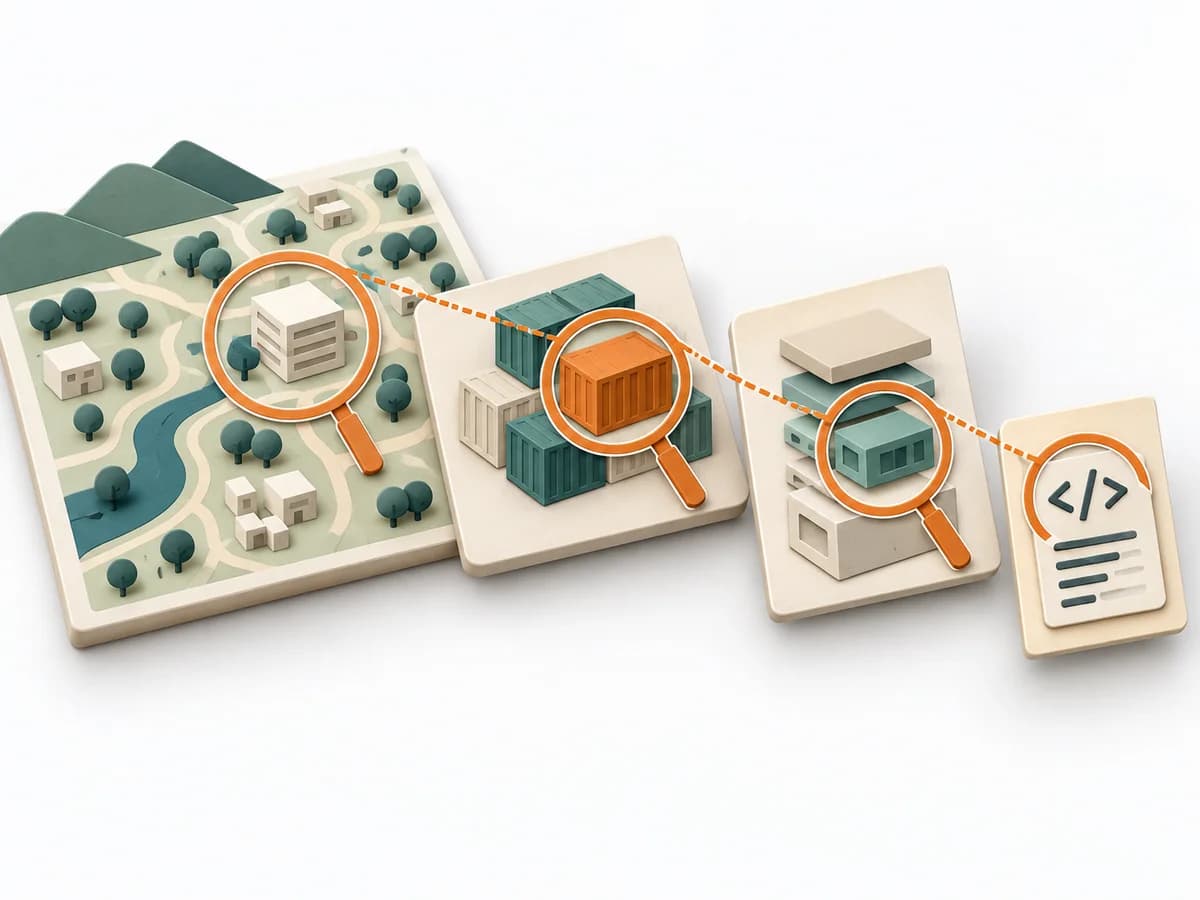 Architecture C4 Model |  Decision Making Force Field Analysis |  Architecture Architecture Decision Record | 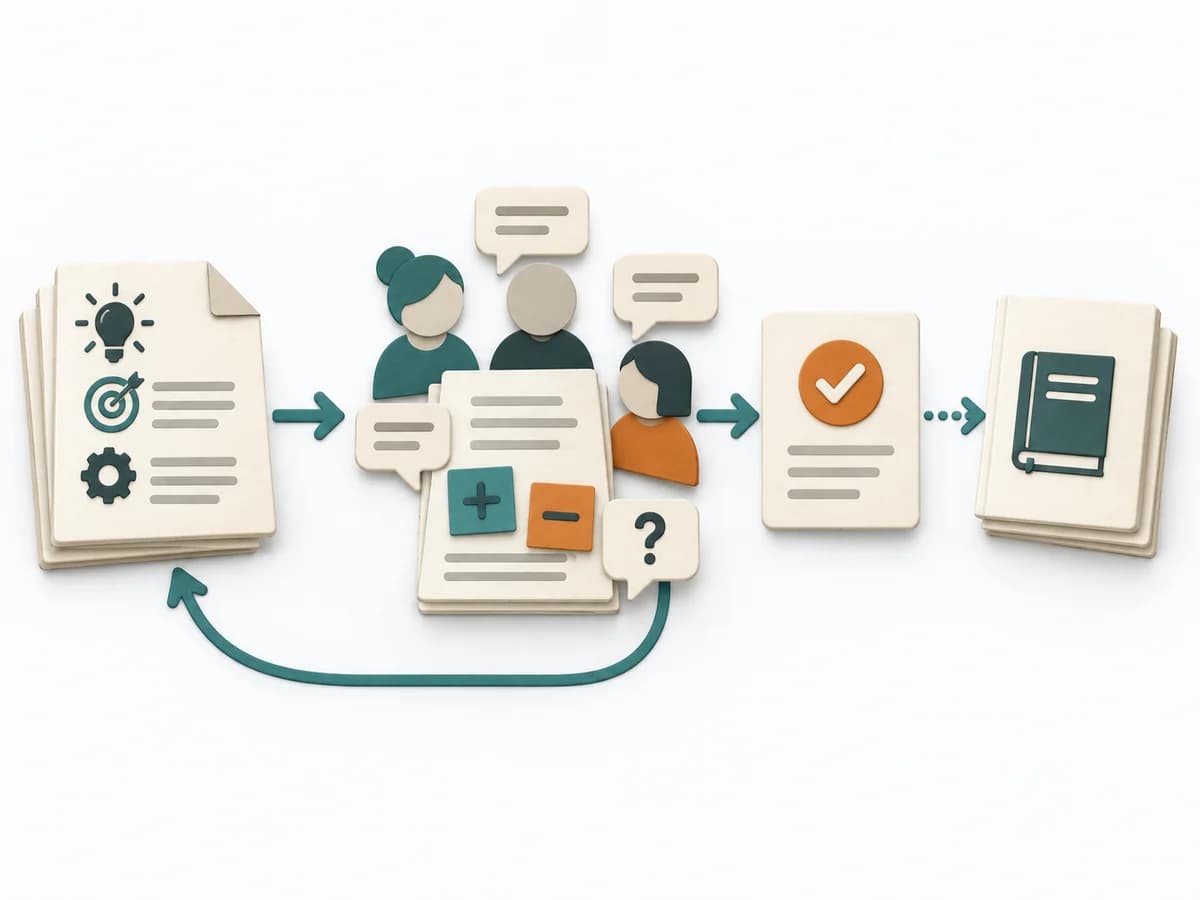 Architecture Request for Comments |
|---|---|---|---|---|
Purposedifferent | The C4 Model makes a system legible across several resolution levels, from context down to code. It suits situations where different audiences need to understand the same architecture from different altitudes. | In change initiatives, supporting and restraining forces sit at the table at the same time. Force Field Analysis makes these tensions explicit and shows where change can be pushed forward by strengthening or relieving. | An ADR permanently records an architecture decision with context, trade-offs, and consequence. It creates continuity for later changes because the decision path stays traceable. | An RFC clarifies architecture context, options, and consequences. It structures technical context, alternatives, tradeoffs, open questions, and review feedback, and captures the result as an RFC document, reviewer comments, and a decision rationale. |
Complexitydifferent | Low | Low | Low | Medium |
Timedifferent | 1-4 h | 45-90 min | 15-45 min | 1-3 Wochen vom Draft bis zur Entscheidung |
Participantsdifferent | 1-5 | 3-12 | 1-3 | 3-20 Reviewer |
Formatdifferent | Workshop + async | Workshop | Async | Async |
Outputdifferent | Context Diagram, Container Diagram, Component Diagram | Force Field Map, Change Levers, Risk Notes | ADR File, Decision Log, Rationale | RFC document, Reviewer comments, Decision rationale, Follow-up ADR or tickets |
Tagsno overlap | ArchitectureCommunicationVisualization | ChangeDecisionStrategy | ArchitectureRationaleDocumentationGovernance | ArchitectureDecisionAsyncGovernance |