View methods side by side.
Choose up to four methods. Add them using the search and share the comparison by copying its link.
| Criterion | 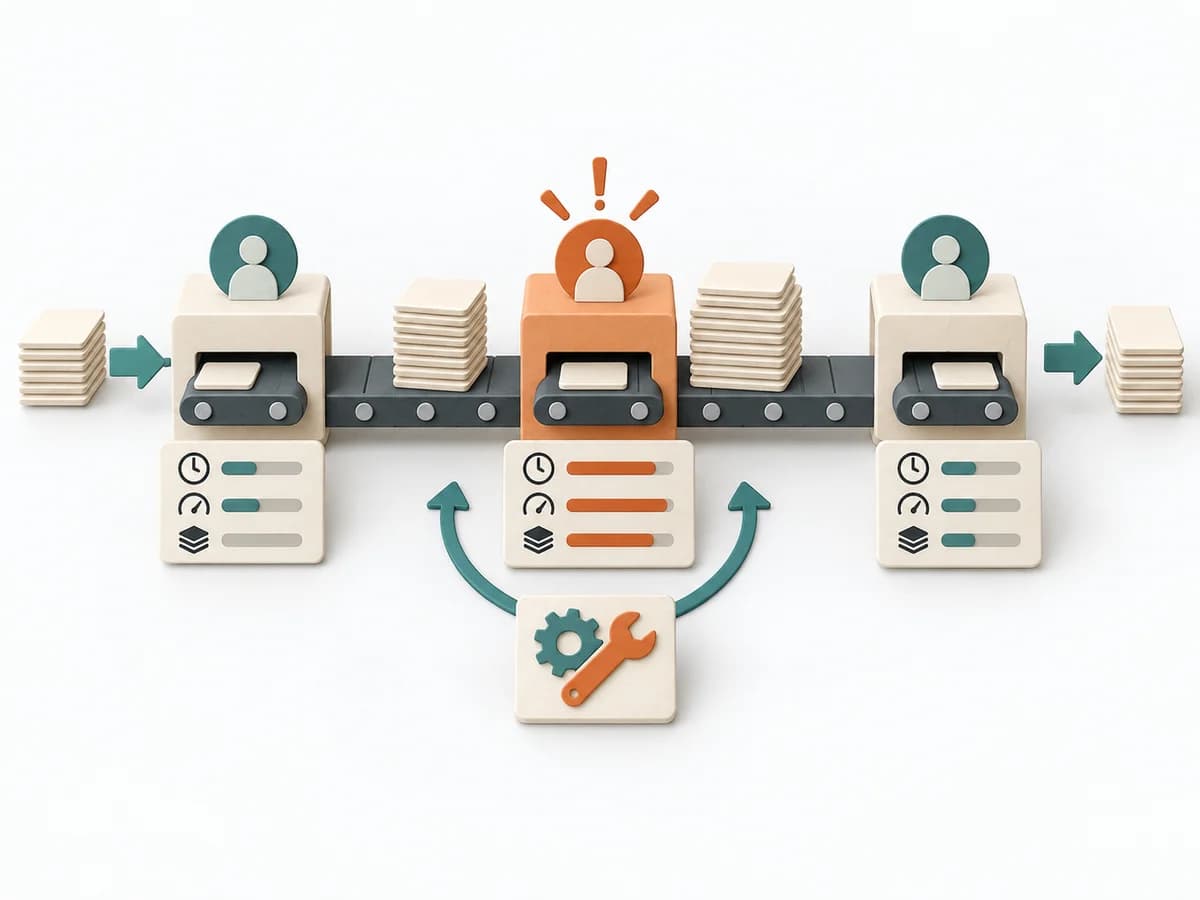 Operations Bottleneck Analysis | 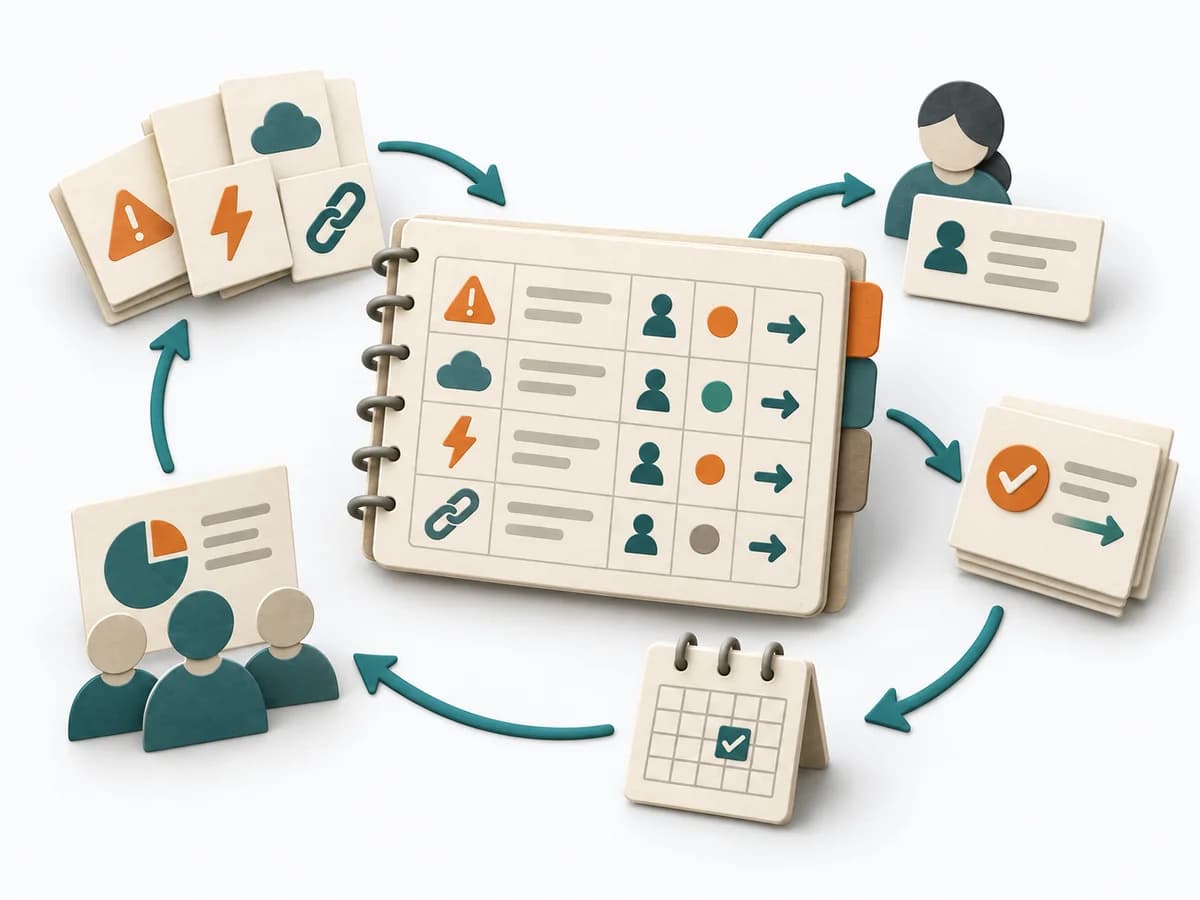 Delivery RAID Log |  Facilitation Stakeholder Mapping | 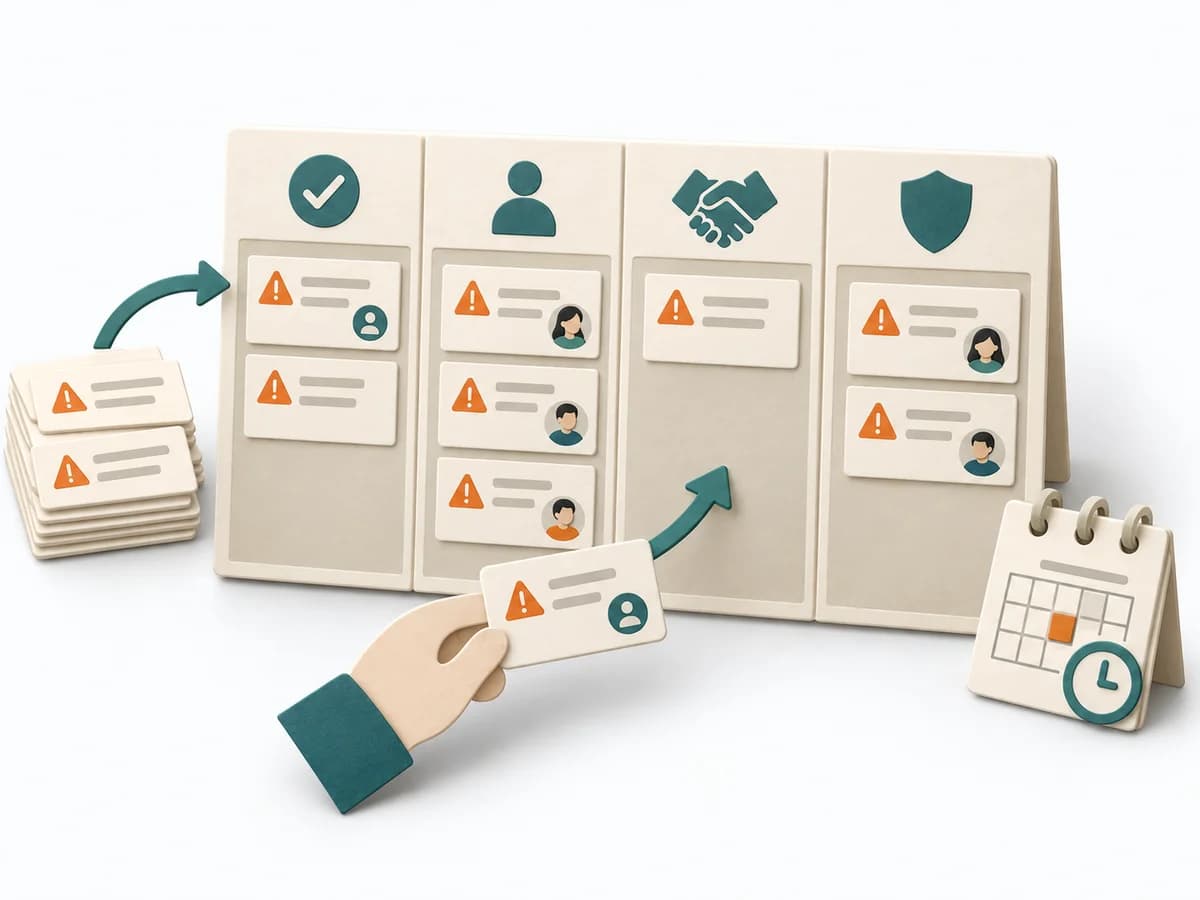 Agile ROAM Board |
|---|---|---|---|---|
Purposedifferent | For a flow that backs up at one point, the method looks for the capacity limit with the greatest leverage. It explains why extra effort elsewhere barely improves throughput. | Helps clarify scope, sequence, and delivery flow in concrete terms. It makes work, boundaries, and order steerable. The result is captured as a RAID Log and a source for status reporting. | When an initiative depends on many people, interests, and power dynamics, Stakeholder Mapping systematically orders the environment. It shows who influences, who is affected, and where relationship management or safeguarding matters first. | When work needs to move between different states or columns, it makes that movement and its handoffs legible. It sorts work by value, risk, and delivery ability. The result is captured as a ROAM Board and an Owner List. |
Complexitydifferent | Medium | Low | Low | Low |
Timedifferent | 1-3 h | 30 min Setup, dann laufend | 60–90 min | 20-40 min initial, dann laufend |
Participantsdifferent | 3-8 | 1-3 maintaining, briefing for everyone | 2-8 | 3-15 |
Formatdifferent | Workshop + async | Async | Workshop + async | Workshop + async |
Outputdifferent | Bottleneck Map, Flow Metrics, Improvement Options, Follow-up Measures | RAID Log, Status Report Source | Stakeholder Map, Engagement Plan, Risk Notes | ROAM Board, Owner List |
Tagsno overlap | FlowMeasurementConstraints | RiskTrackingStakeholdersGovernance | StakeholdersAlignmentFacilitationChange | RiskAgileTrackingAlignment |