View methods side by side.
Choose up to four methods. Add them using the search and share the comparison by copying its link.
| Criterion |  Operations Bottleneck Analysis | 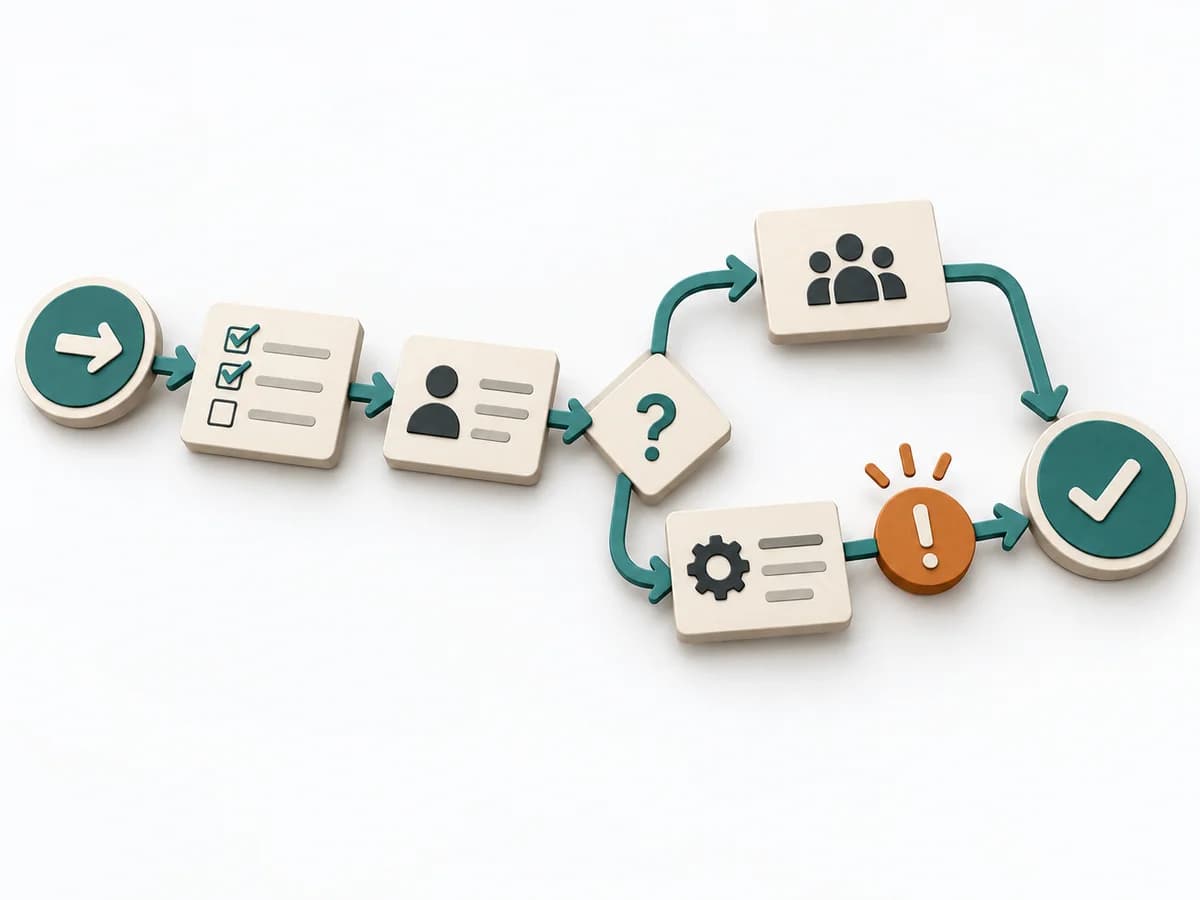 Operations Process Mapping |  Operations Learning Review | 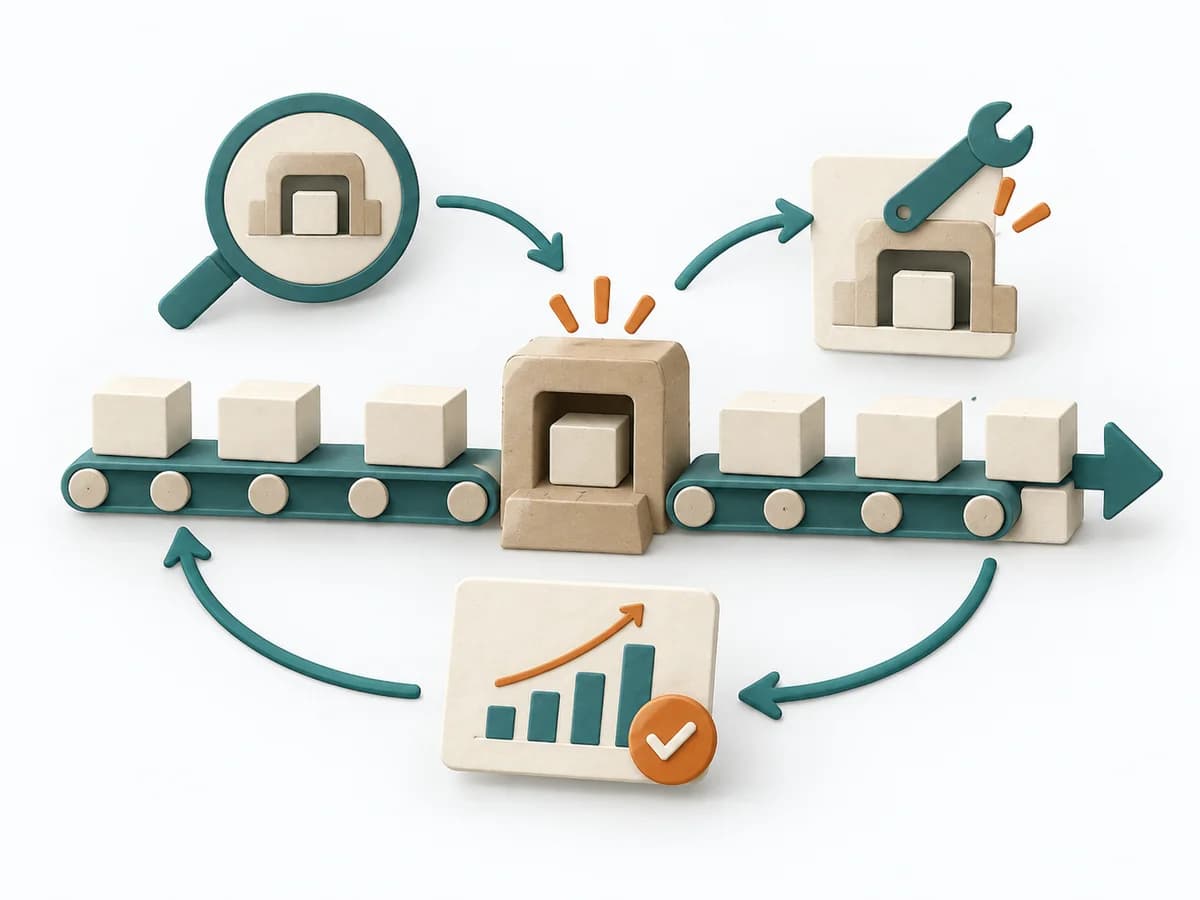 Operations Theory of Constraints |
|---|---|---|---|---|
Purposedifferent | For a flow that backs up at one point, the method looks for the capacity limit with the greatest leverage. It explains why extra effort elsewhere barely improves throughput. | With a confusing workflow that has many handoffs, the method makes the actual process visible. It shows where work is passed on, delayed, or duplicated, so improvement targets the right spots. | After a project phase with mixed results, the method makes learning from the individual case reusable. It connects events, decisions, and systemic conditions into robust insights. | For a system that does not get faster despite effort, the method directs attention to the bottleneck. It concentrates improvement on the point that actually limits throughput. |
Complexitydifferent | Medium | Medium | Medium | High |
Timedifferent | 1-3 h | 1-3 h | 1-3 h | 2-4 h Analyse, laufend |
Participantsdifferent | 3-8 | 3-10 | 3-10 | 3-12 |
Formatdifferent | Workshop + async | Workshop | Workshop | Workshop + async |
Outputdifferent | Bottleneck Map, Flow Metrics, Improvement Options, Follow-up Measures | Process Map, Handoff List, Improvement Backlog | Learning Review Notes, System Factors, Improvement Actions | Constraint Map, Improvement Plan, Flow Metrics |
Tagsno overlap | FlowMeasurementConstraints | ProcessOperationsImprovement | LearningRetrospectiveIncidentOperations | OperationsConstraintsFlowImprovement |