View methods side by side.
Choose up to four methods. Add them using the search and share the comparison by copying its link.
| Criterion | 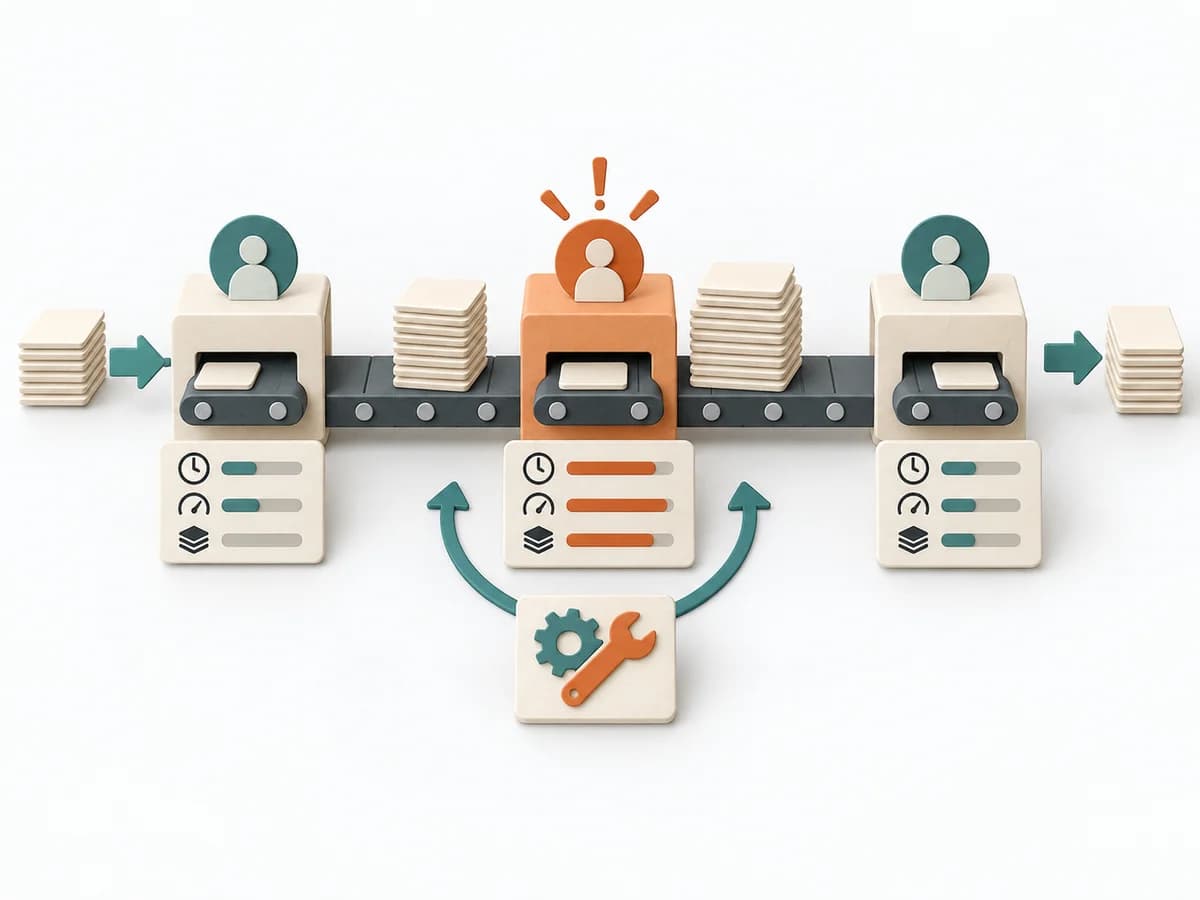 Operations Bottleneck Analysis | 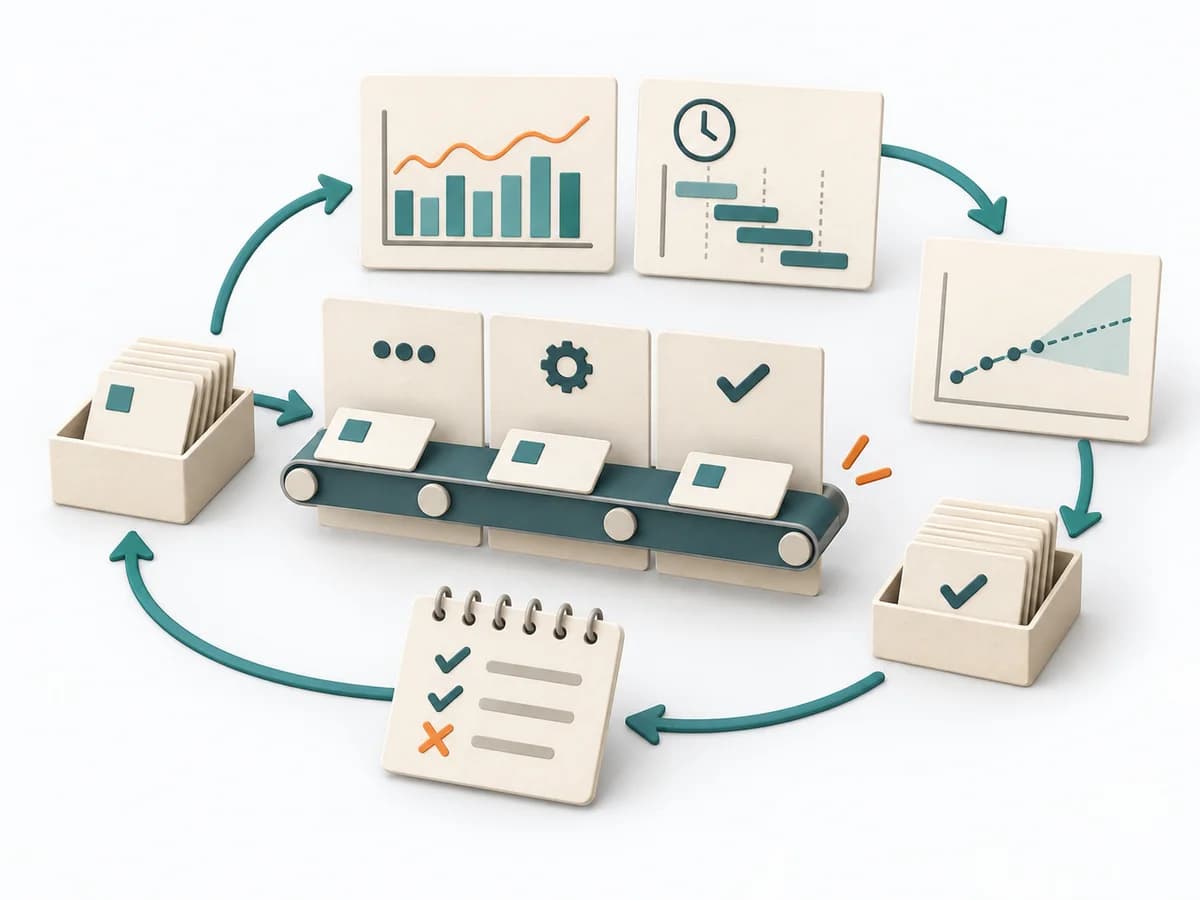 Agile NoEstimates |  DevOps Incident Command | 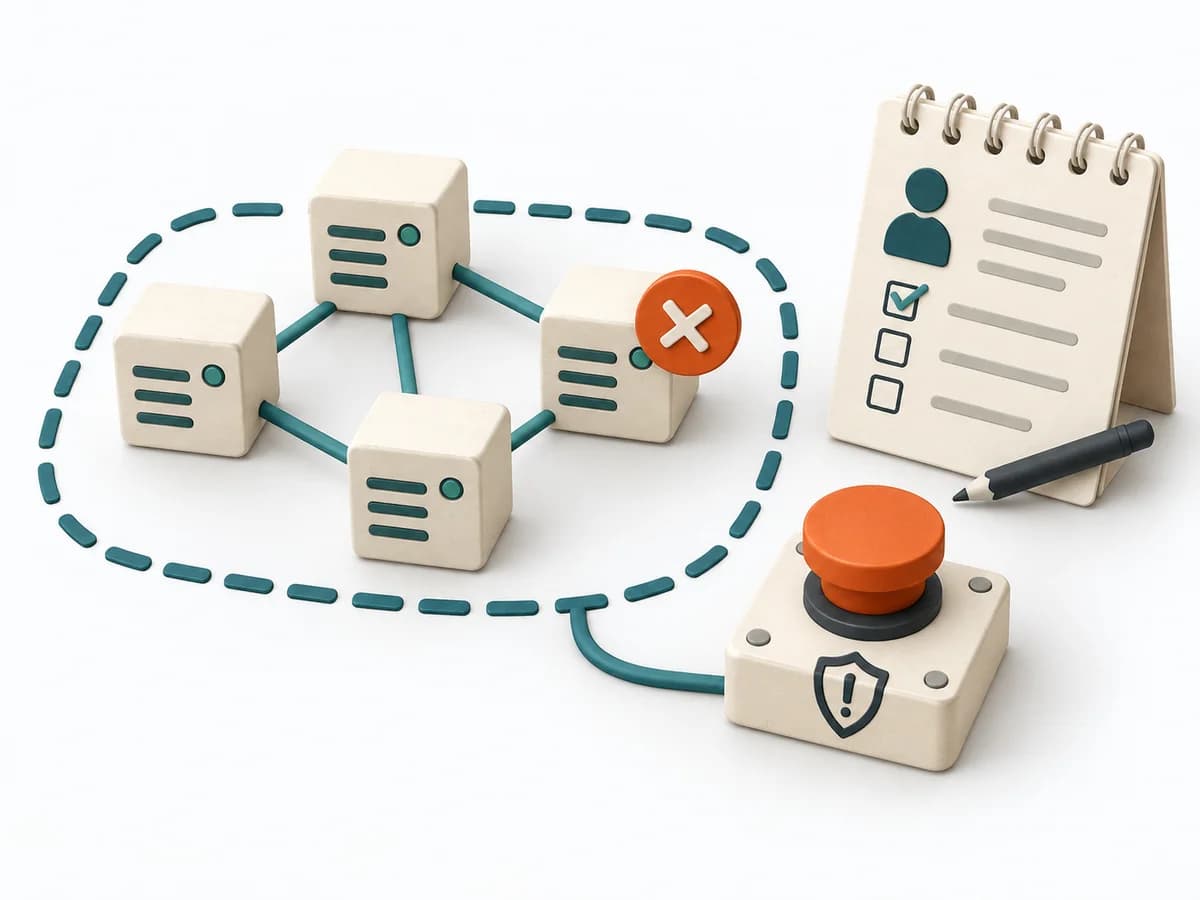 DevOps Game Day |
|---|---|---|---|---|
Purposedifferent | For a flow that backs up at one point, the method looks for the capacity limit with the greatest leverage. It explains why extra effort elsewhere barely improves throughput. | When estimating slows a team down more than it helps, it shifts the focus to flow, small slices, and real lead time. It sorts work by value, risk, and delivery ability. The result is captured as Throughput Data, Flow Forecast, and Slicing Rules. | During an acute incident with several people involved, the method creates a clear leadership and communication structure. It reduces chaos when fast coordination and clean situational awareness are both needed at once. | In preparing for rare incidents, the method tests response capability under controlled conditions. It shows where assumptions about stability, roles, and recovery are too optimistic. |
Complexitydifferent | Medium | Medium | Medium | High |
Timedifferent | 1-3 h | laufend | As needed | Halber Tag |
Participantsdifferent | 3-8 | 2-12 | 4-15 | 5-20 |
Formatdifferent | Workshop + async | Workshop + async | Workshop + async | Workshop |
Outputdifferent | Bottleneck Map, Flow Metrics, Improvement Options, Follow-up Measures | Throughput Data, Flow Forecast, Slicing Rules | Incident Log, Action Tracker, Stakeholder Updates | Simulation Notes, Gaps List, Updated Runbooks |
Tagsno overlap | FlowMeasurementConstraints | EstimationForecastingFlow | IncidentOperationsReliability | ResilienceOperationsIncident |