View methods side by side.
Choose up to four methods. Add them using the search and share the comparison by copying its link.
| Criterion | 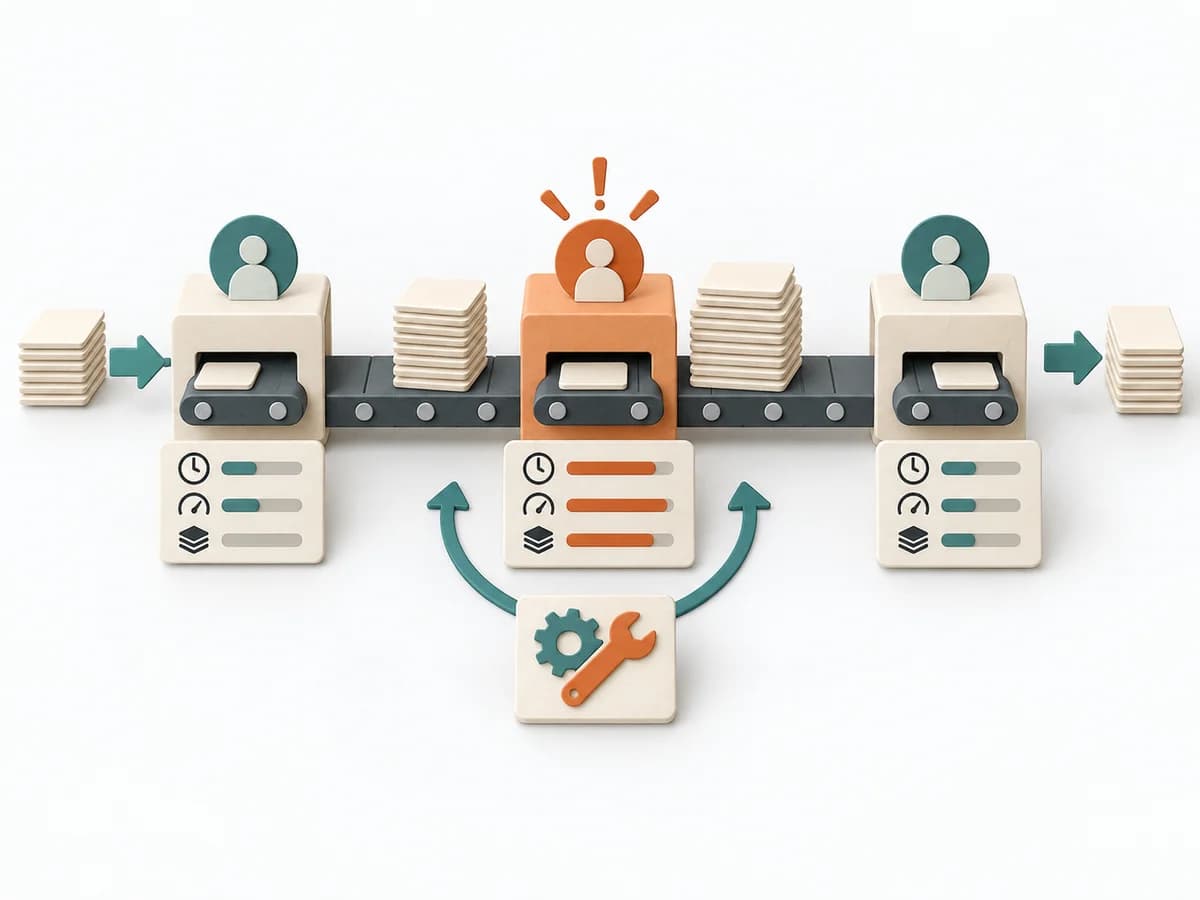 Operations Bottleneck Analysis | 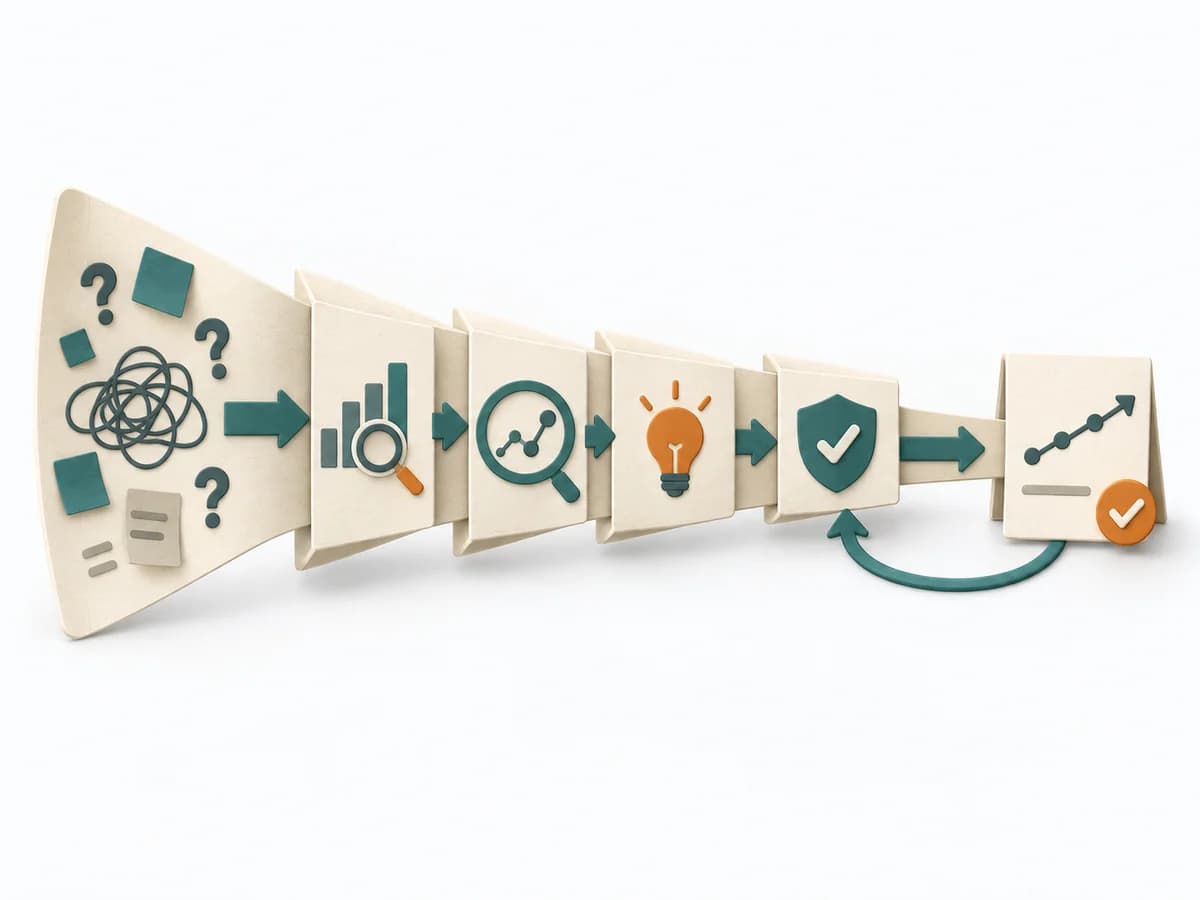 Operations DMAIC | 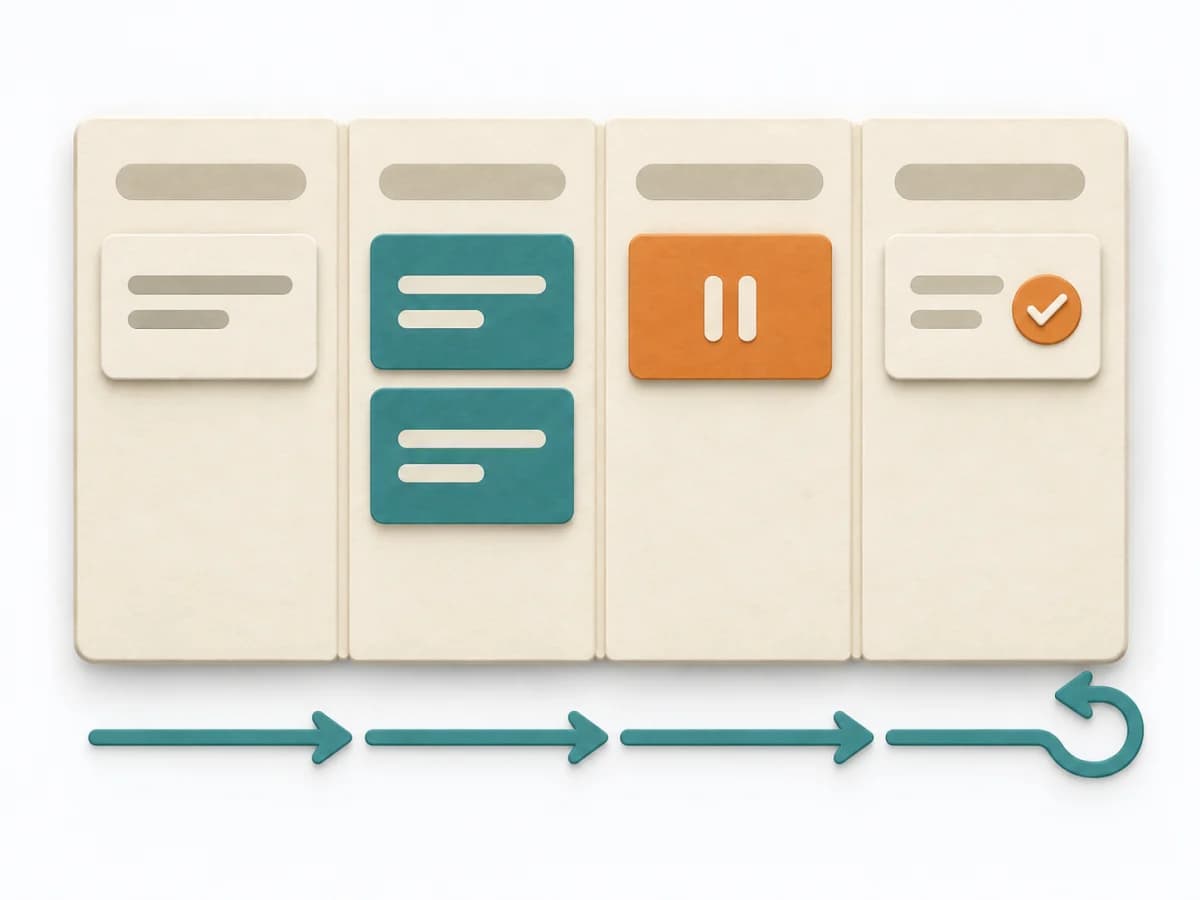 Engineering Kanban | 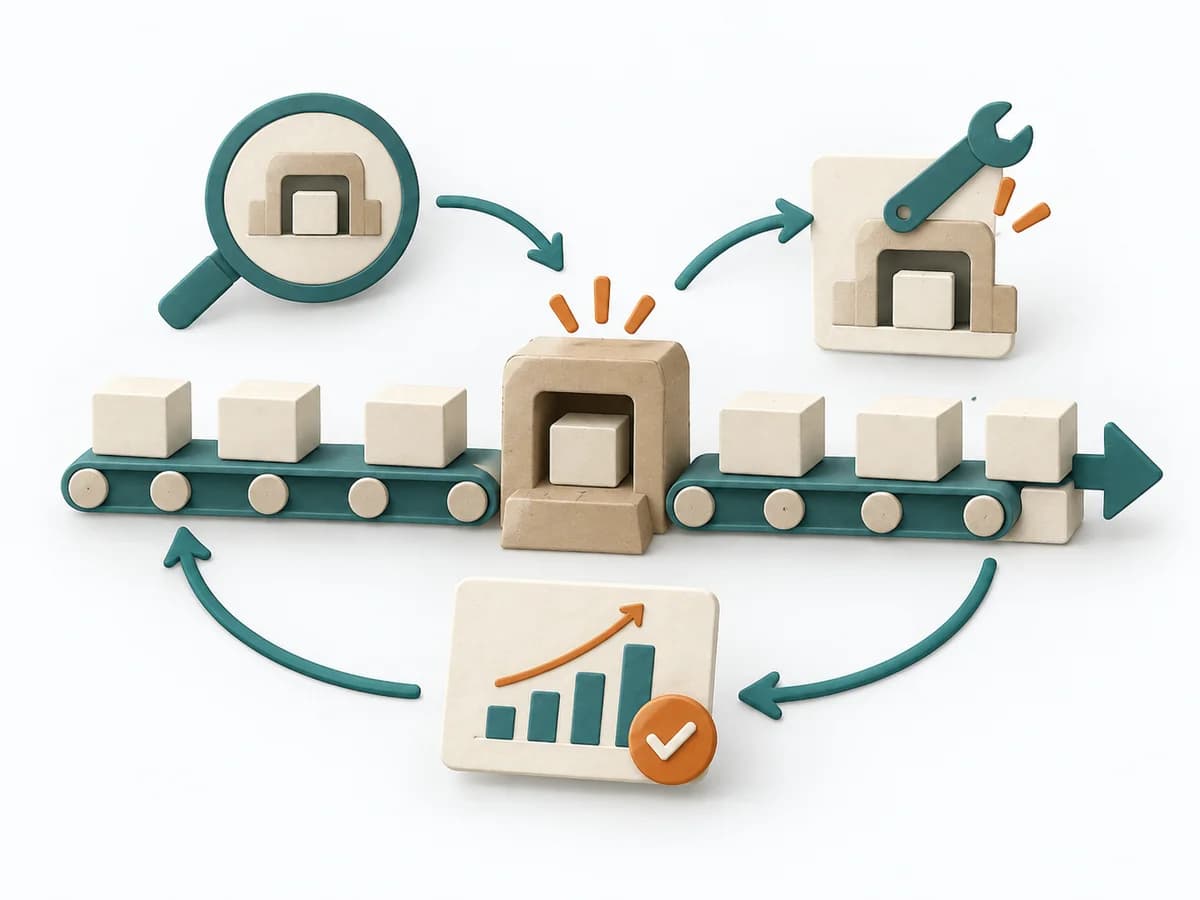 Operations Theory of Constraints |
|---|---|---|---|---|
Purposedifferent | For a flow that backs up at one point, the method looks for the capacity limit with the greatest leverage. It explains why extra effort elsewhere barely improves throughput. | For a process problem with fluctuating performance, the method brings analysis and improvement into a disciplined sequence. It creates a framework in which numbers, causes, and control come together. | When work sits in too many parallel streams, throughput suffers and no one sees the bottlenecks. Kanban makes the flow of work visible and limits overload so a system becomes calmer and more predictable. | For a system that does not get faster despite effort, the method directs attention to the bottleneck. It concentrates improvement on the point that actually limits throughput. |
Complexitydifferent | Medium | High | Medium | High |
Timedifferent | 1-3 h | 2-12 Wochen | Ongoing | 2-4 h Analyse, laufend |
Participantsdifferent | 3-8 | 3-10 | 2-12 | 3-12 |
Formatsame | Workshop + async | Workshop + async | Workshop + async | Workshop + async |
Outputdifferent | Bottleneck Map, Flow Metrics, Improvement Options, Follow-up Measures | Project Charter, Measurement Plan, Cause Analysis, Control Plan | Kanban board, WIP policies, Flow metrics | Constraint Map, Improvement Plan, Flow Metrics |
Tagsno overlap | FlowMeasurementConstraints | Continuous improvementQualityProcess improvement | FlowVisual managementDelivery | OperationsConstraintsFlowImprovement |