View methods side by side.
Choose up to four methods. Add them using the search and share the comparison by copying its link.
| Criterion | 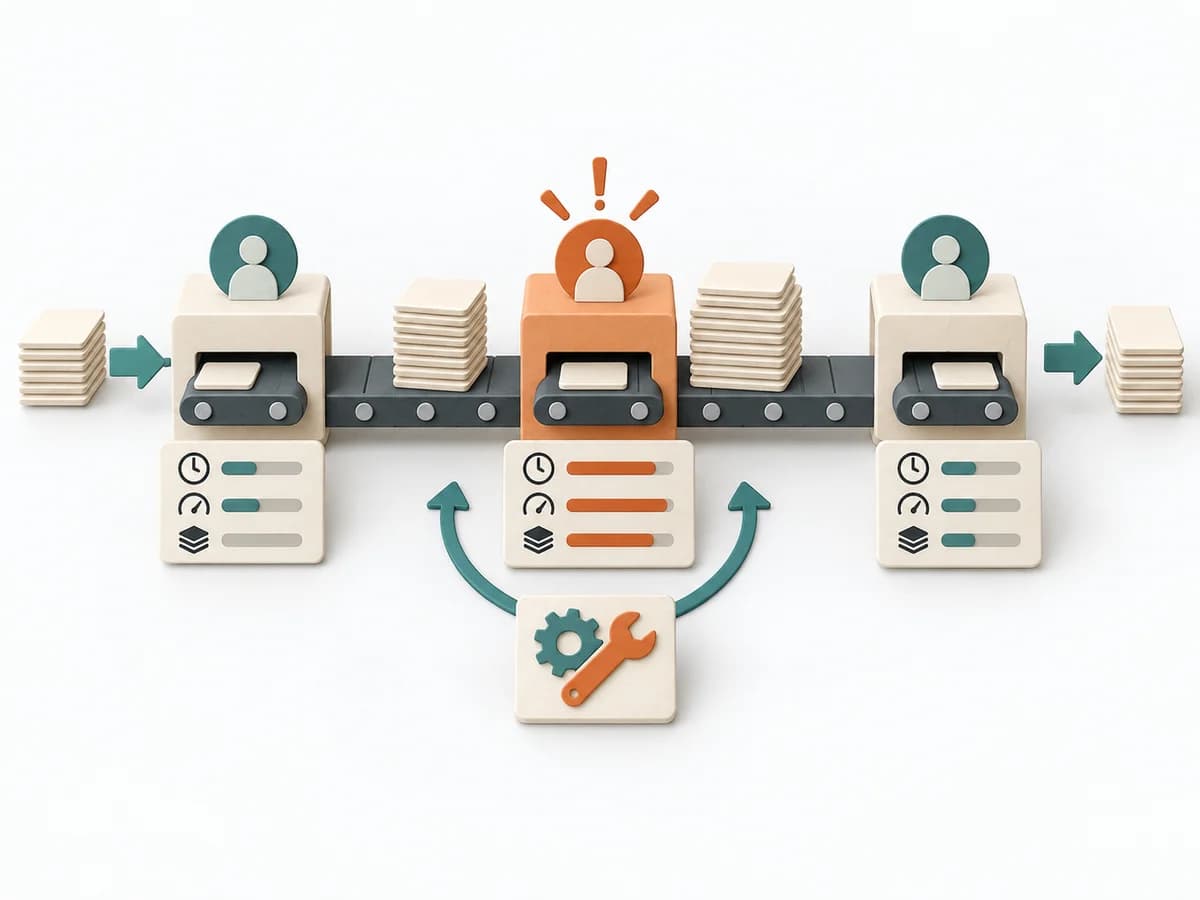 Operations Bottleneck Analysis | 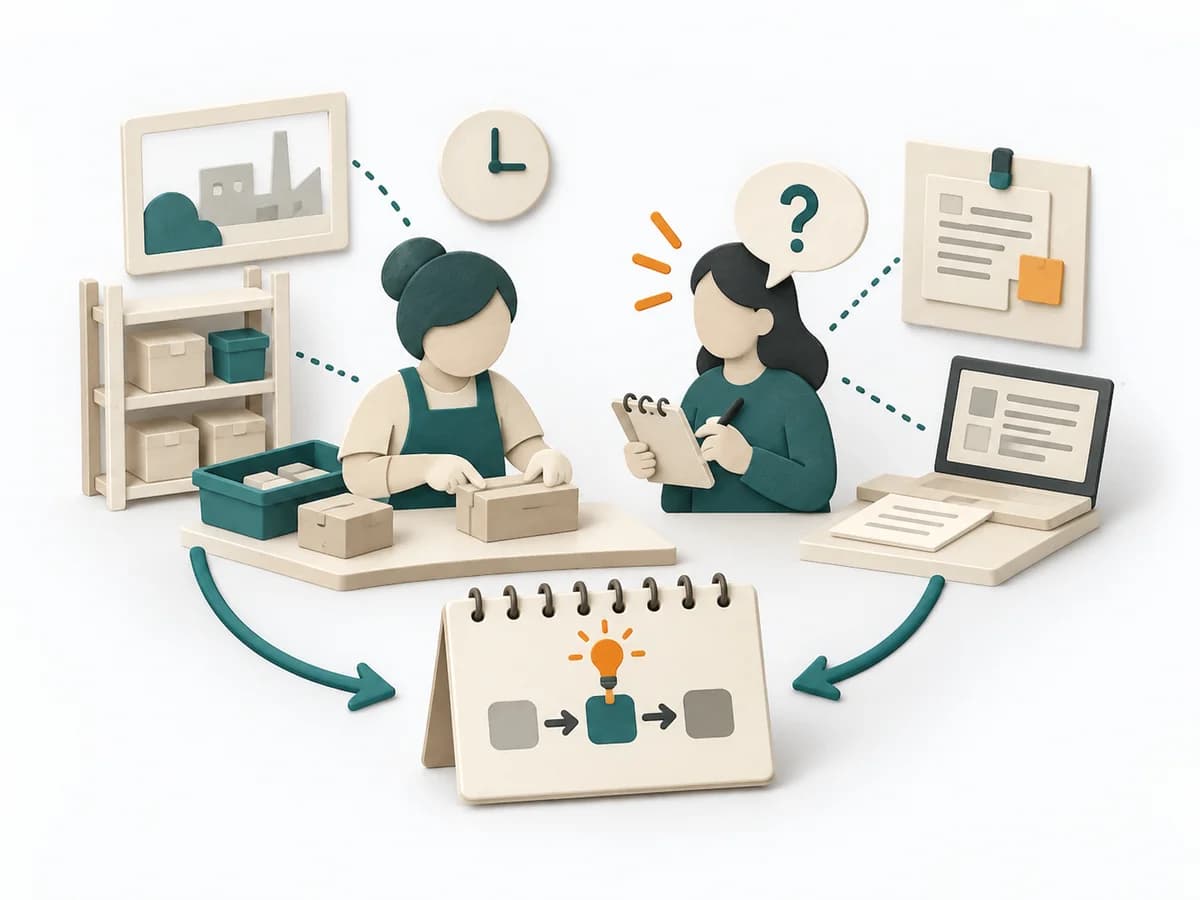 UX Research Contextual Inquiry | 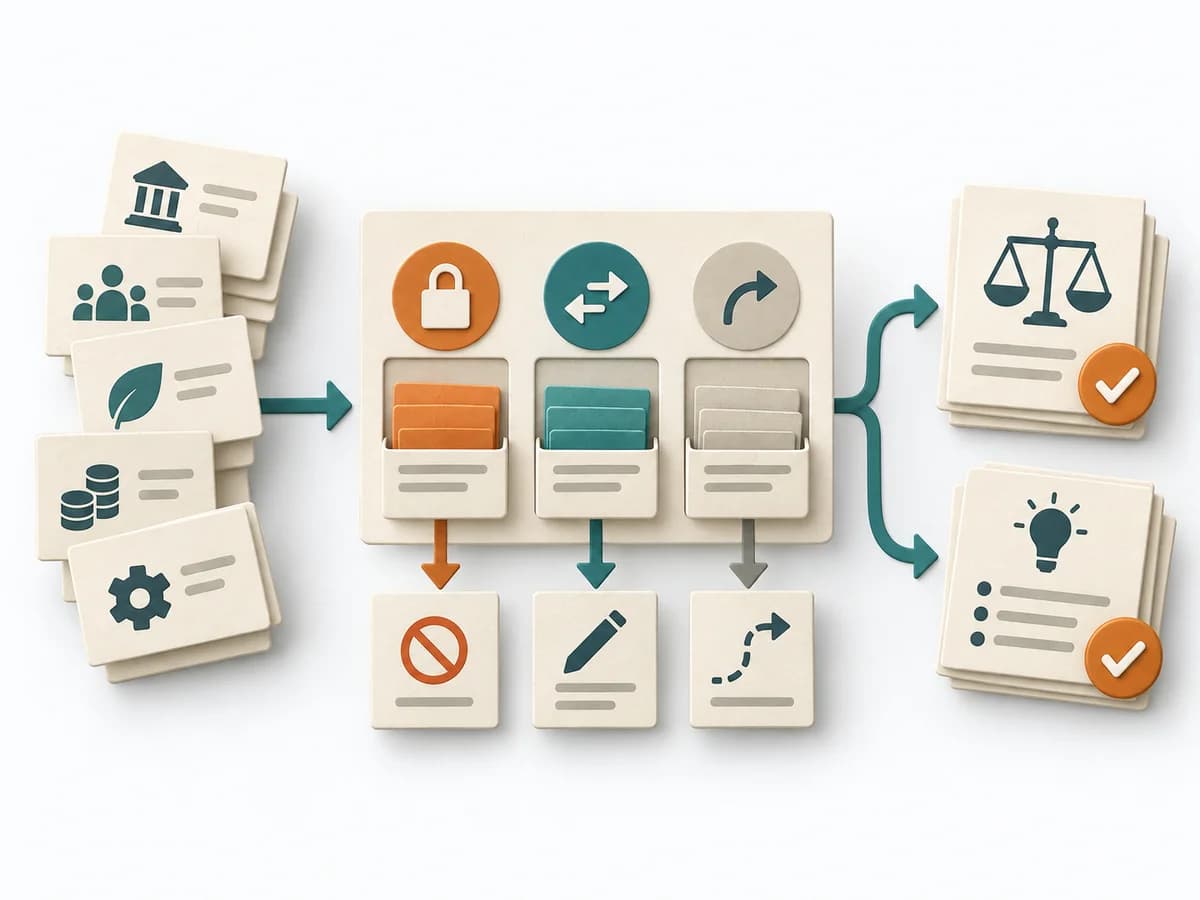 Decision Making Constraint Analysis | 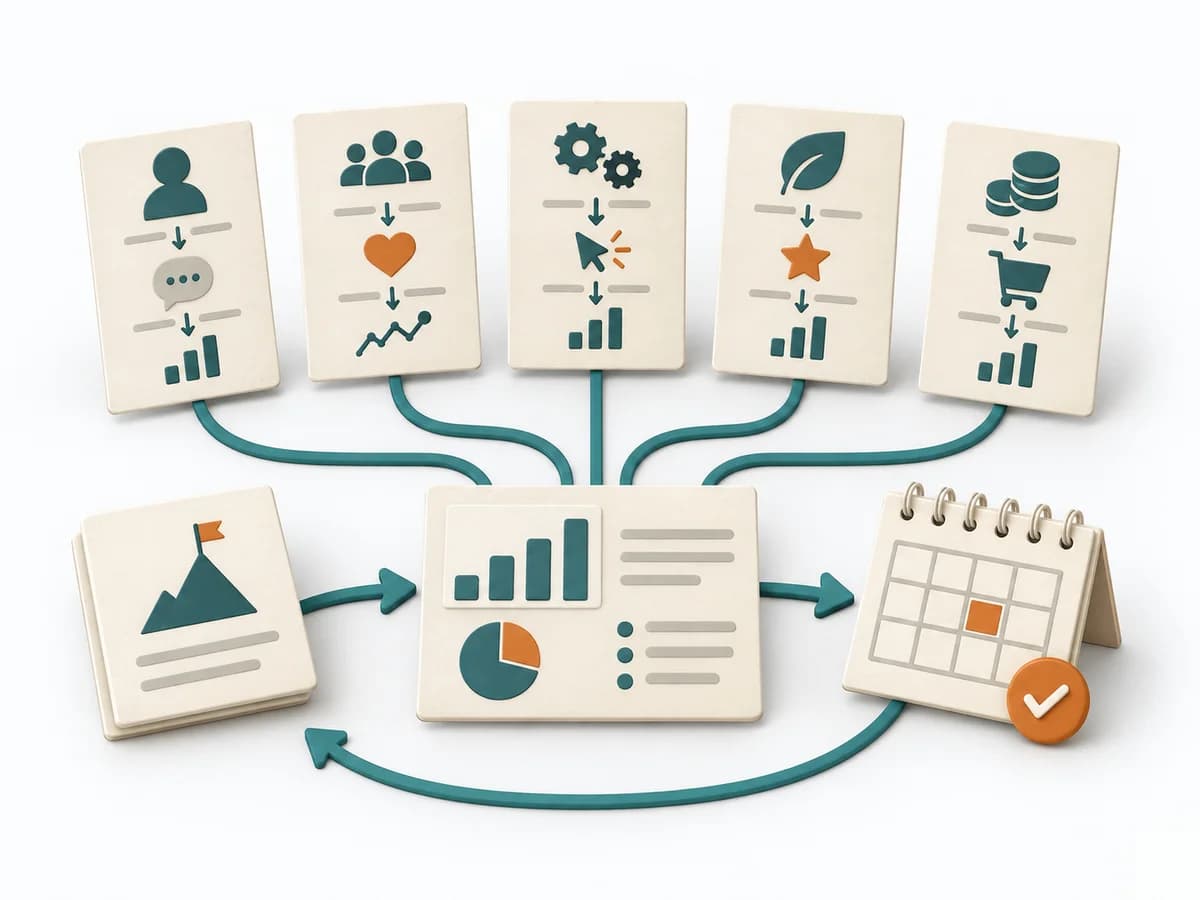 UX Research HEART Framework |
|---|---|---|---|---|
Purposedifferent | For a flow that backs up at one point, the method looks for the capacity limit with the greatest leverage. It explains why extra effort elsewhere barely improves throughput. | When work processes are known only from accounts and the real context stays hidden, Contextual Inquiry makes behavior at the workplace visible. Observation and follow-up questions together show how people actually work, get interrupted, and improvise. | When an initiative stalls, the limit often lies not in the idea but in hard or soft boundary conditions. Constraint Analysis separates these limits and shows which of them can actually be shaped. | Helps clarify observations, needs, and patterns in concrete terms. It groups observations into patterns, questions, and decisions. The result is captured as a HEART-GSM table and dashboard. |
Complexitydifferent | Medium | Medium | Low | Medium |
Timedifferent | 1-3 h | 1-3 Wochen | 30-90 min | 120 min initial, dann laufend |
Participantsdifferent | 3-8 | 4-12 Beobachtungen | 2-8 | 3-6 |
Formatsame | Workshop + async | Workshop + async | Workshop + async | Workshop + async |
Outputdifferent | Bottleneck Map, Flow Metrics, Improvement Options, Follow-up Measures | Field Notes, Workflow Insights, Pain Points | Constraint List, Hard/Soft Classification, Option Impact Notes, Decision Boundaries | HEART-GSM Table, Dashboard |
Tagsno overlap | FlowMeasurementConstraints | UX researchObservationContext | ConstraintsDecisionPlanningOptions | MetricsUX researchMeasurementSatisfaction |