View methods side by side.
Choose up to four methods. Add them using the search and share the comparison by copying its link.
| Criterion | 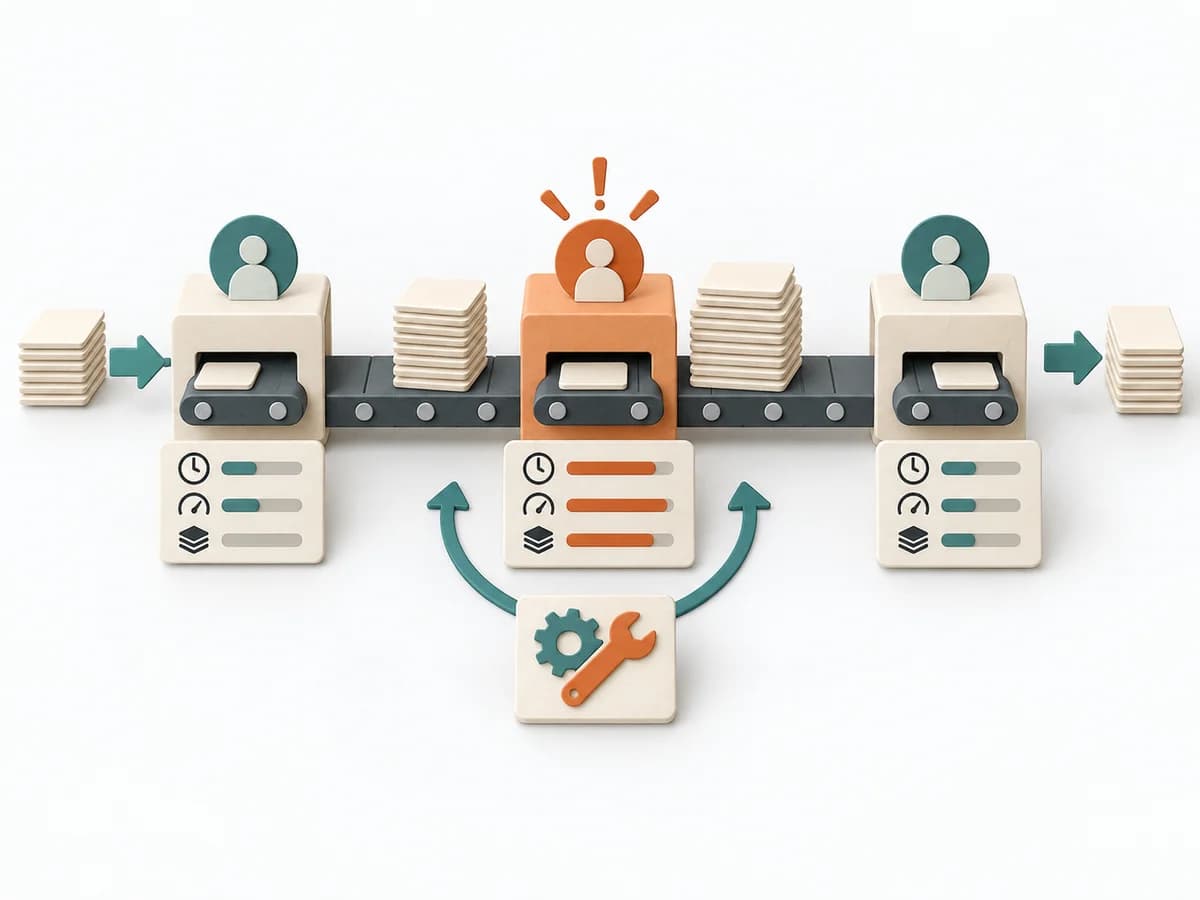 Operations Bottleneck Analysis |  Decision Making Constraint Analysis | 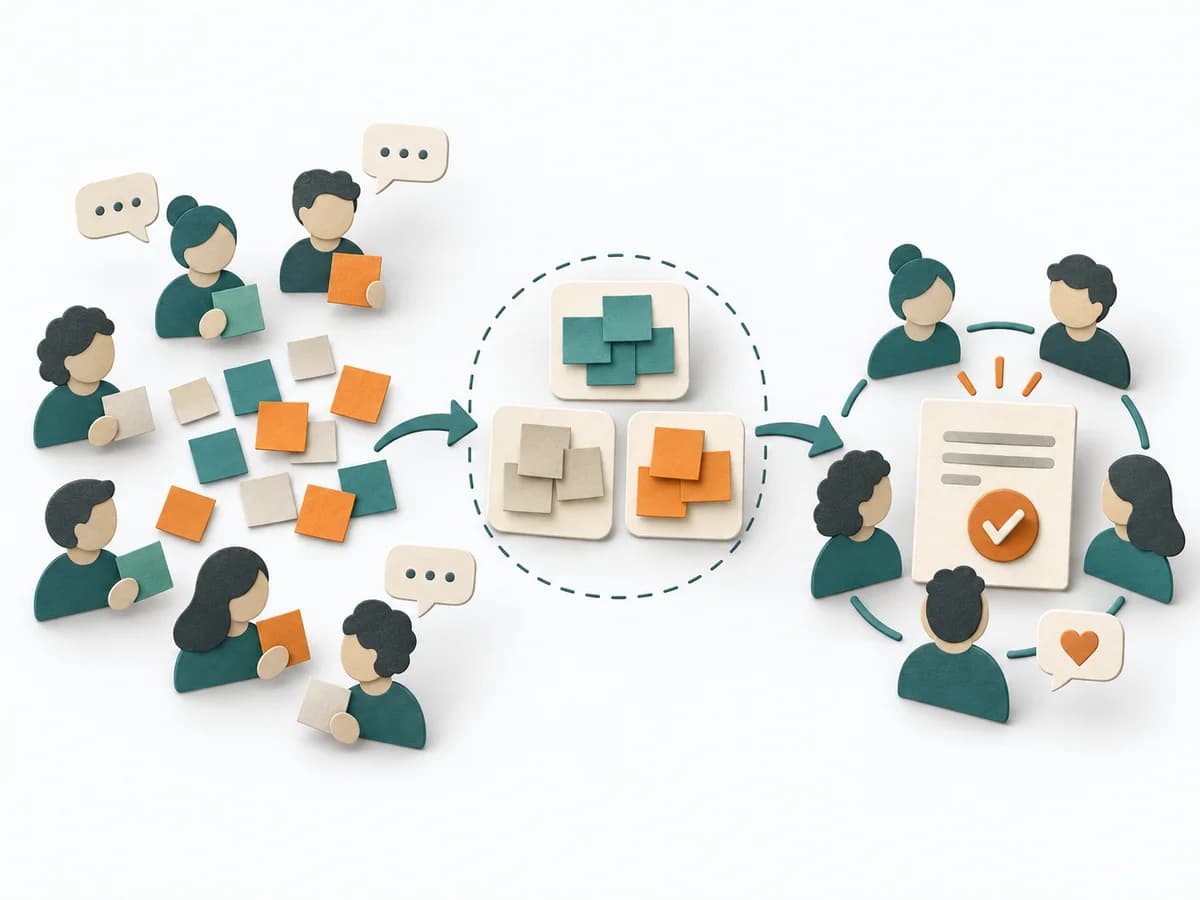 Facilitation Consensus Workshop | 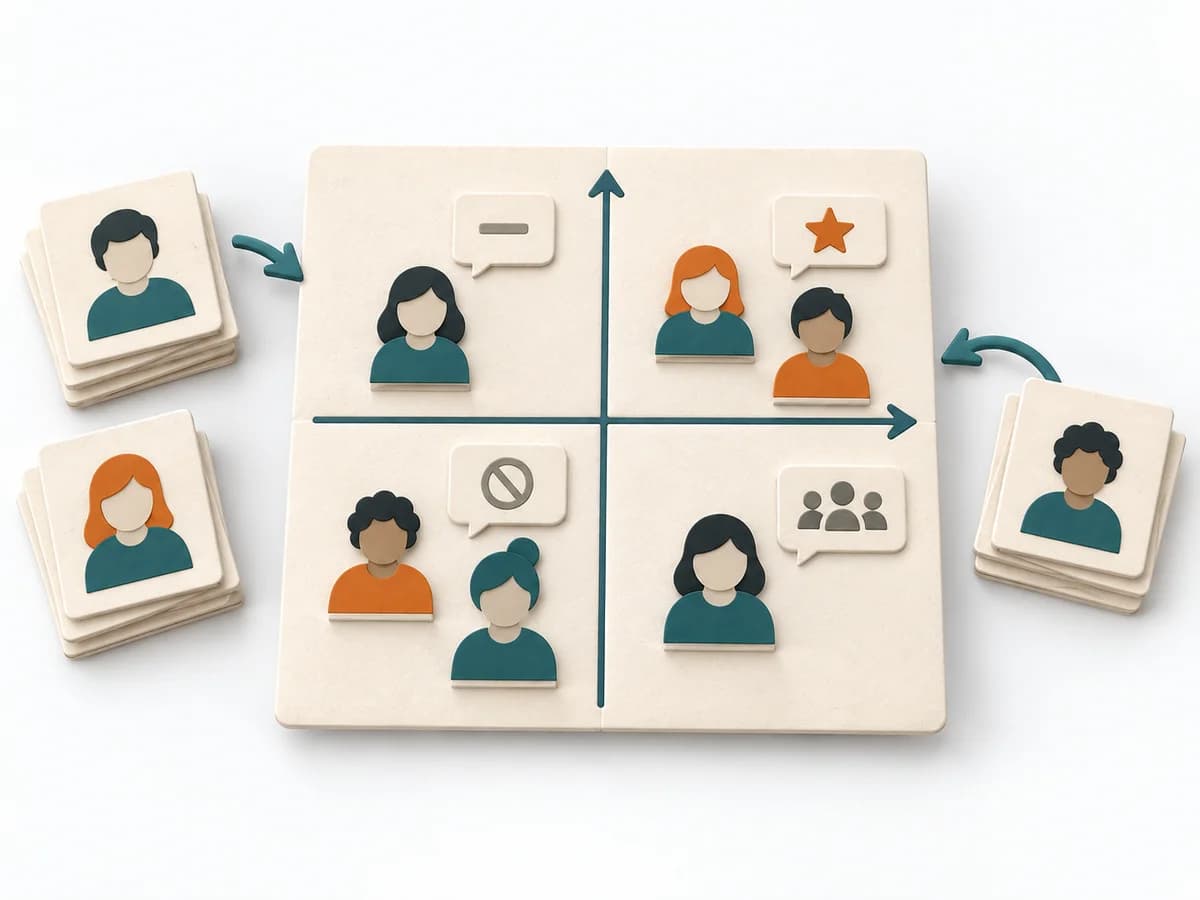 Facilitation Power Interest Grid |
|---|---|---|---|---|
Purposedifferent | For a flow that backs up at one point, the method looks for the capacity limit with the greatest leverage. It explains why extra effort elsewhere barely improves throughput. | When an initiative stalls, the limit often lies not in the idea but in hard or soft boundary conditions. Constraint Analysis separates these limits and shows which of them can actually be shaped. | When a group needs a solid decision without outvoting individual factions, a Consensus Workshop creates a negotiable common ground. It makes agreement, reservations, and open tensions discussable at the same time. | When many stakeholders compete for attention at once, the Power Interest Grid sorts them by influence and stake. It turns individual contributions into a visible selection. The result is captured as a Power Interest Grid and a stakeholder-specific strategy. |
Complexitydifferent | Medium | Low | Medium | Low |
Timedifferent | 1-3 h | 30-90 min | 1-3 h | 30-60 min |
Participantsdifferent | 3-8 | 2-8 | 5-30 | 2-8 |
Formatdifferent | Workshop + async | Workshop + async | Workshop | Workshop |
Outputdifferent | Bottleneck Map, Flow Metrics, Improvement Options, Follow-up Measures | Constraint List, Hard/Soft Classification, Option Impact Notes, Decision Boundaries | Consensus Clusters, Theme Titles, Priority Areas | Power Interest Grid, Strategy per Stakeholder |
Tagsno overlap | FlowMeasurementConstraints | ConstraintsDecisionPlanningOptions | FacilitationConsensusWorkshopAlignment | StakeholdersFacilitationAlignmentPlanning |