View methods side by side.
Choose up to four methods. Add them using the search and share the comparison by copying its link.
| Criterion |  DevOps Blameless Postmortem |  Decision Making Force Field Analysis | 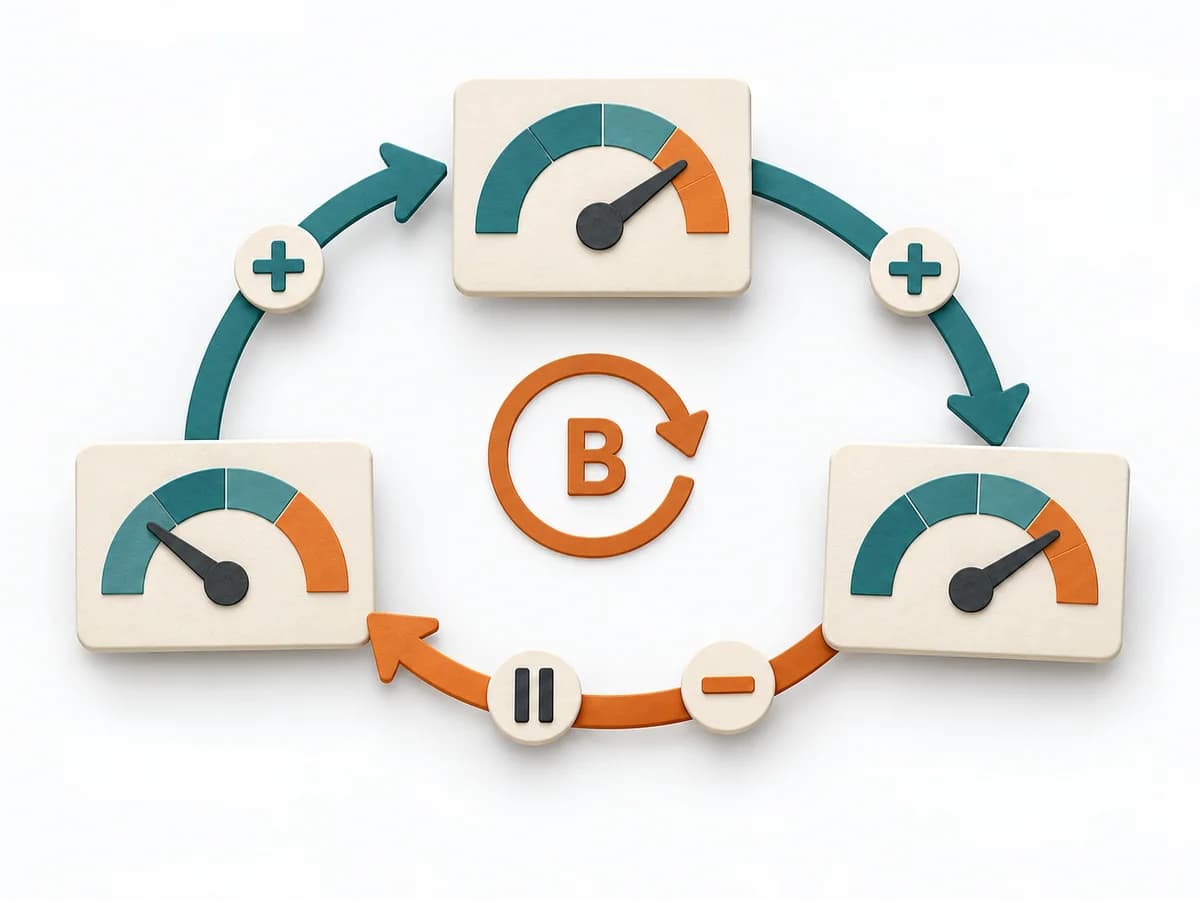 Systems Thinking Causal Loop Diagram |  Systems Thinking Leverage Points |
|---|---|---|---|---|
Purposedifferent | After an incident with damage or a near miss, the method creates a sober field for learning without assigning blame. It directs attention to the course of events, conditions, and effective countermeasures. | In change initiatives, supporting and restraining forces sit at the table at the same time. Force Field Analysis makes these tensions explicit and shows where change can be pushed forward by strengthening or relieving. | A Causal Loop Diagram makes feedback, reinforcement, and balance in a system legible. It uncovers side effects and self-reinforcement that stay hidden in linear explanations. | Leverage Points show exactly where interventions in a system produce a disproportionate effect. It draws relationships, patterns, and feedback loops. The result is captured as a leverage map and action strategy. |
Complexitydifferent | Medium | Low | Medium | High |
Timedifferent | 30-90 min | 45-90 min | 1-3 h | Half day |
Participantsdifferent | 3-12 | 3-12 | 2-8 | 3-12 |
Formatdifferent | Workshop + async | Workshop | Workshop | Workshop |
Outputdifferent | Postmortem Doc, Action Items, Timeline | Force Field Map, Change Levers, Risk Notes | Causal Loop Diagram, Feedback Notes, Leverage Points | Leverage Map, Action Strategy |
Tagsno overlap | Site Reliability EngineeringIncidentLearningReliability | ChangeDecisionStrategy | FeedbackSystems thinkingCausalityDynamics | Systems thinkingChangeStrategy |