View methods side by side.
Choose up to four methods. Add them using the search and share the comparison by copying its link.
| Criterion |  Decision Making Assumption Surfacing | 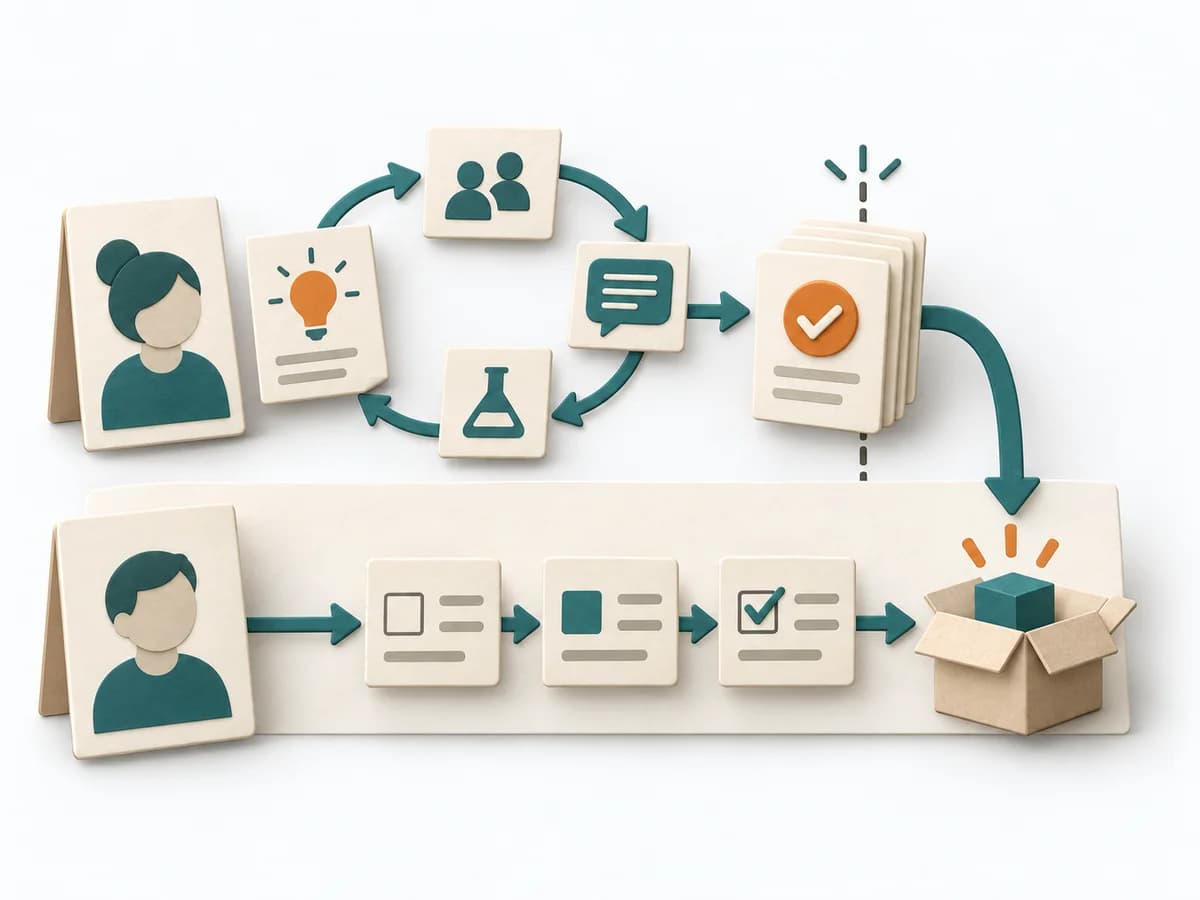 Product Discovery Dual-Track Agile | 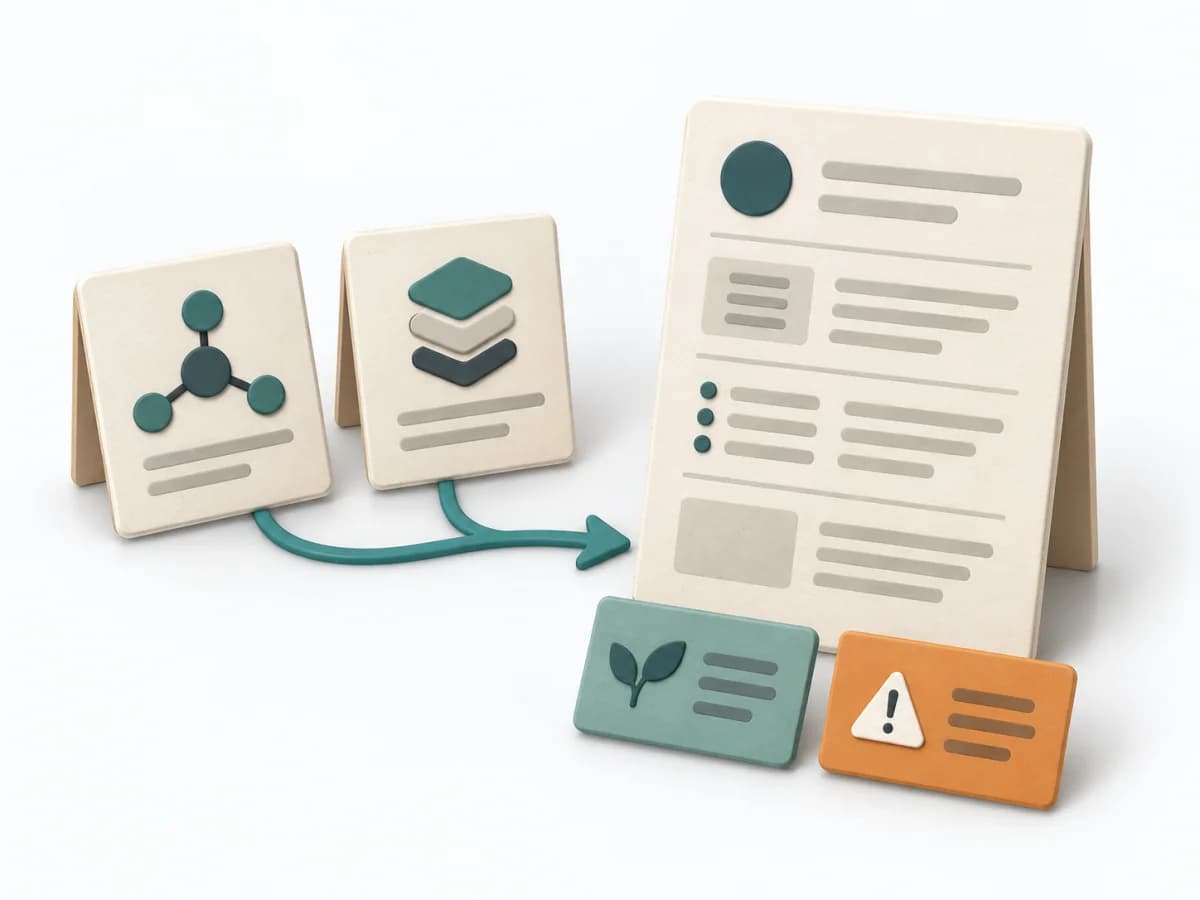 Architecture Architecture Decision Record | 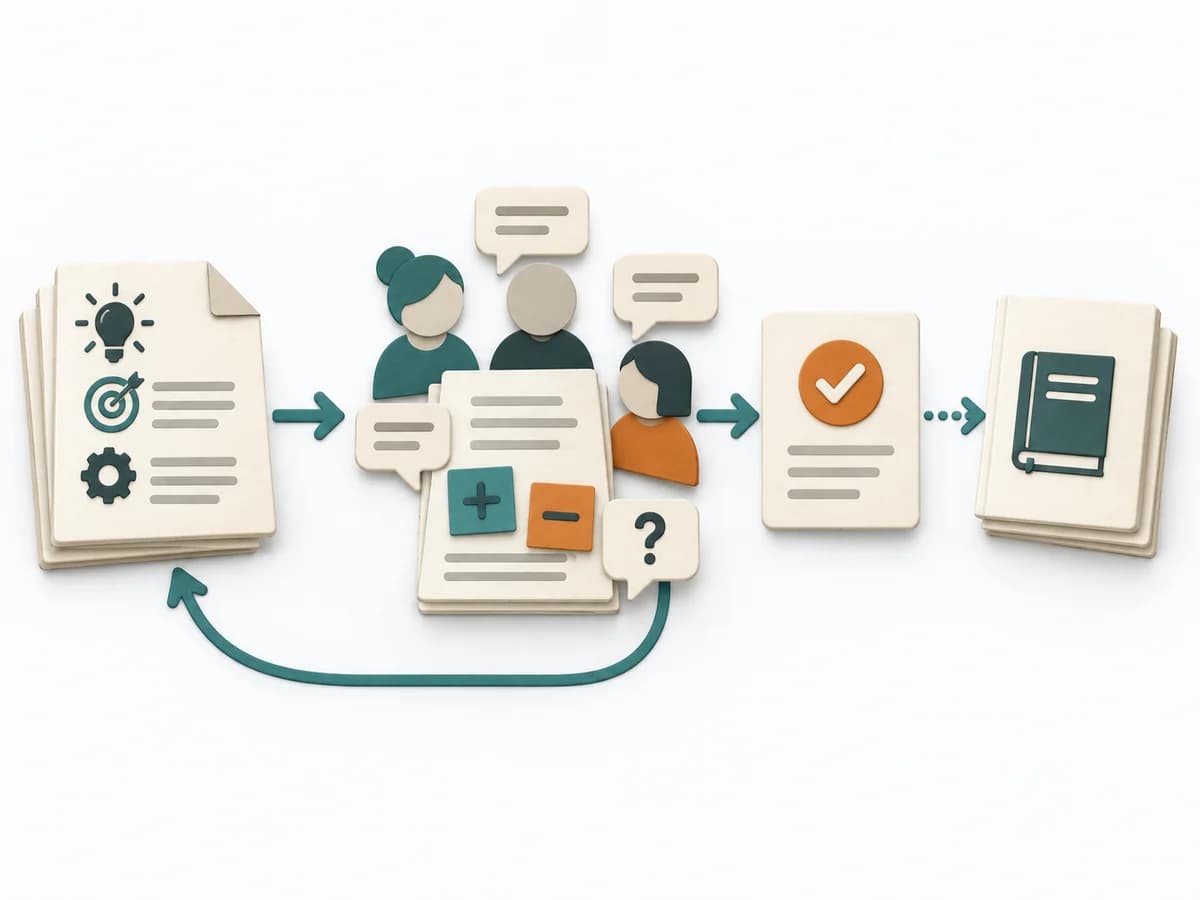 Architecture Request for Comments |
|---|---|---|---|---|
Purposedifferent | Plans often contain assumptions that were never openly stated and remain dangerous precisely because of that. Assumption Surfacing makes these silent premises visible and prioritizes which of them carry the initiative or could sink it. | When uncertainty and delivery run in parallel, it separates learning work from implementation while keeping both connected. It prevents unvalidated ideas from falling directly into the delivery stream. | An ADR permanently records an architecture decision with context, trade-offs, and consequence. It creates continuity for later changes because the decision path stays traceable. | An RFC clarifies architecture context, options, and consequences. It structures technical context, alternatives, tradeoffs, open questions, and review feedback, and captures the result as an RFC document, reviewer comments, and a decision rationale. |
Complexitydifferent | Low | Medium | Low | Medium |
Timedifferent | 45-90 min | Laufend, Wochen bis Monate | 15-45 min | 1-3 Wochen vom Draft bis zur Entscheidung |
Participantsdifferent | 2-8 | 4-10 | 1-3 | 3-20 Reviewer |
Formatdifferent | Workshop + async | Workshop + async | Async | Async |
Outputdifferent | Assumption List, Critical Assumptions, Learning Plan | Discovery Backlog, Delivery Backlog, Experiment-Ergebnisse, Validierte Stories | ADR File, Decision Log, Rationale | RFC document, Reviewer comments, Decision rationale, Follow-up ADR or tickets |
Tagsno overlap | AssumptionsRiskDecisionDiscovery | AgileDiscoveryDelivery | ArchitectureRationaleDocumentationGovernance | ArchitectureDecisionAsyncGovernance |