View methods side by side.
Choose up to four methods. Add them using the search and share the comparison by copying its link.
| Criterion |  Architecture ARID (Active Reviews for Intermediate Designs) | 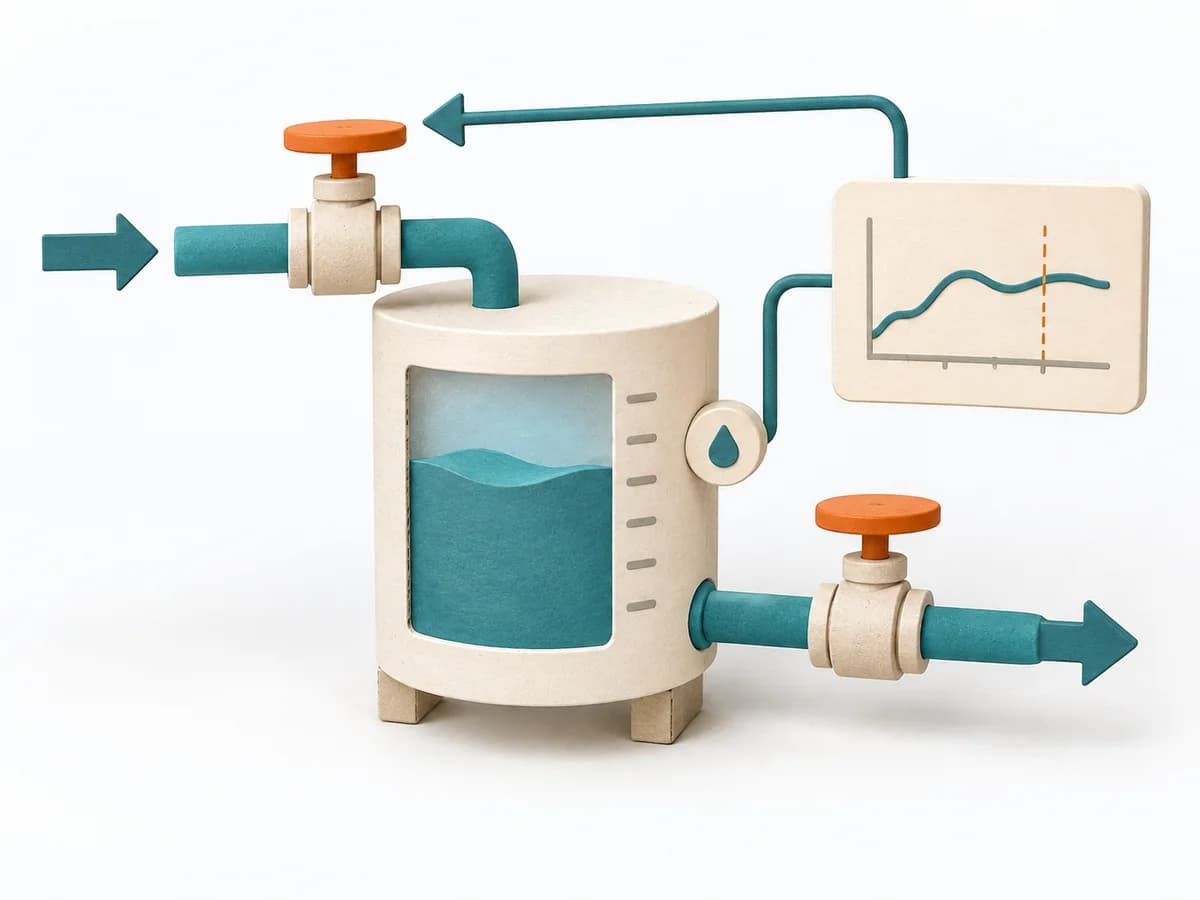 Systems Thinking Stock and Flow Diagram |  Operations Barrier Analysis |  Operations 5 Whys |
|---|---|---|---|---|
Purposedifferent | ARID examines how well developers can work with a technical design. It focuses on a part of the system that can still be revised, between the architecture overview and the detailed specification. | A Stock and Flow Diagram shows how stocks, inflows, and outflows shape a system over time. It is especially suited when growth, delays, or capacity limits determine the dynamics. | For a risk that can only be managed through multiple layers of protection, the method examines the effectiveness of each barrier. It shows where safeguards are missing, too weak, or fail under real conditions. | For a single, hard-to-explain deviation, the method exposes the causal chain behind the visible symptom. It keeps the cause open until a controllable condition emerges instead of a mere description. |
Complexitydifferent | Medium | High | Medium | Low |
Timedifferent | 2–4 h review as a planning range; preparation and evaluation additional | 2-6 h | 2-4 h | 15-30 min |
Participantsdifferent | Designers, developers as users, and facilitation | 1-6 | 2-6 | 2-6 |
Formatdifferent | Workshop + async | Workshop + async | Workshop + async | Workshop |
Outputdifferent | Prioritized development tasks, Jointly produced code or pseudocode, Observed difficulties and open design questions, Proposed design revisions | Stock and Flow Model, Dynamics Notes, Simulation Hypotheses | Barrier Inventory, Failure Analysis per Barrier, Action Backlog | Root cause notes, Countermeasures |
Tagsno overlap | ArchitectureEngineeringFeedbackValidationTasks | DynamicsSimulationFeedbackSystems thinking | Root causeSafetyIncident | Root causeIncidentLeanProblem solving |