View methods side by side.
Choose up to four methods. Add them using the search and share the comparison by copying its link.
| Criterion |  Operations ALPEN Method | 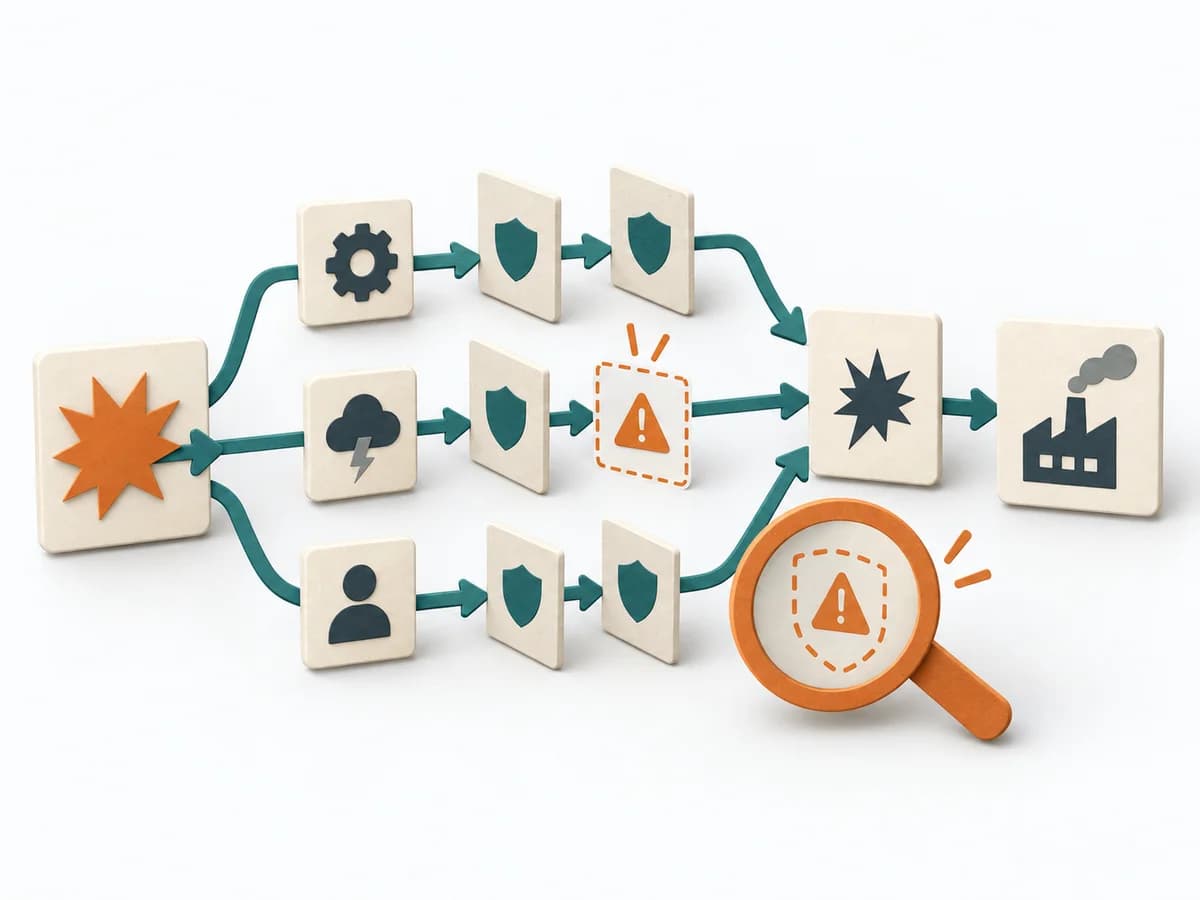 Engineering Failure Scenario Analysis | 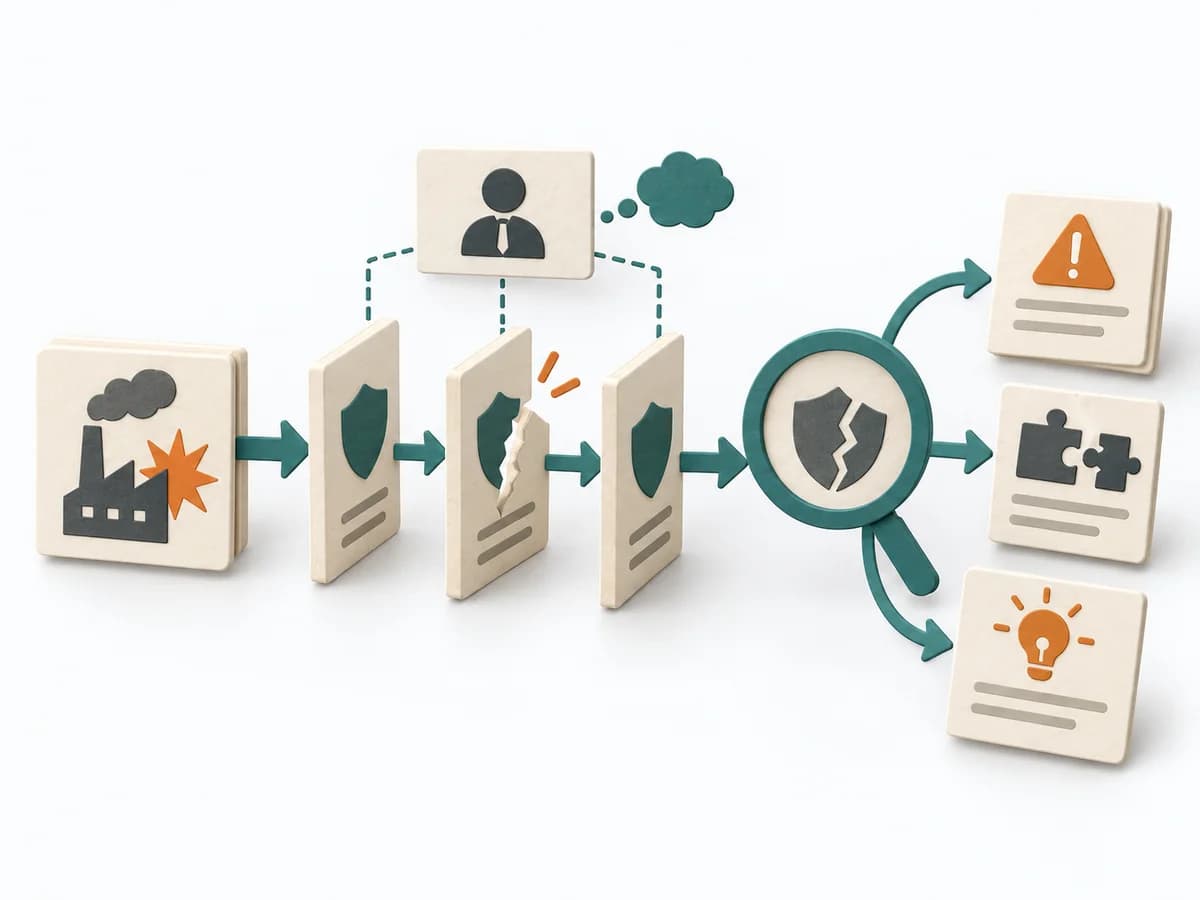 Operations MORT Analysis |  Operations Failure Mode and Effects Analysis |
|---|---|---|---|---|
Purposedifferent | With an overloaded day full of too many tasks, a realistic picture of the day emerges. The method connects estimating, deciding, and buffer thinking so planning fits available energy and time. | In critical processes, it is not enough to plan only for the normal case. Failure Scenario Analysis looks at the path into failure and shows which failures, chains, and control gaps cause the most damage. | For a safety-relevant event or a system with high protection requirements, the method examines where controls failed. It exposes both technical and organizational gaps. | For a process, product, or service with noticeable failure risks, the method assesses possible failure modes in advance. It directs attention to combinations of occurrence, effect, and detectability. |
Complexitydifferent | Low | Medium | High | High |
Timedifferent | 10-20 min daily | 1-3 h | Mehrere Tage bis Wochen | 2-6 h |
Participantsdifferent | 1 | 3-8 | 2-6 | 3-10 |
Formatdifferent | Async | Workshop | Workshop + async | Workshop |
Outputdifferent | Daily Plan, Time Estimates, Review Notes | Failure Scenarios, Risk Notes, Control Gaps, Test and Response Actions | MORT Worksheets, Findings per Branch, Corrective Actions, Systemic Recommendations | FMEA Table, Risk Priority, Mitigation Actions |
Tagsno overlap | PlanningTime managementProductivityOperations | FailureResilienceRisk | Root causeSafetySystemicIncident | RiskQualityOperationsRoot cause |