View methods side by side.
Choose up to four methods. Add them using the search and share the comparison by copying its link.
| Criterion |  Facilitation Alignment Mapping | 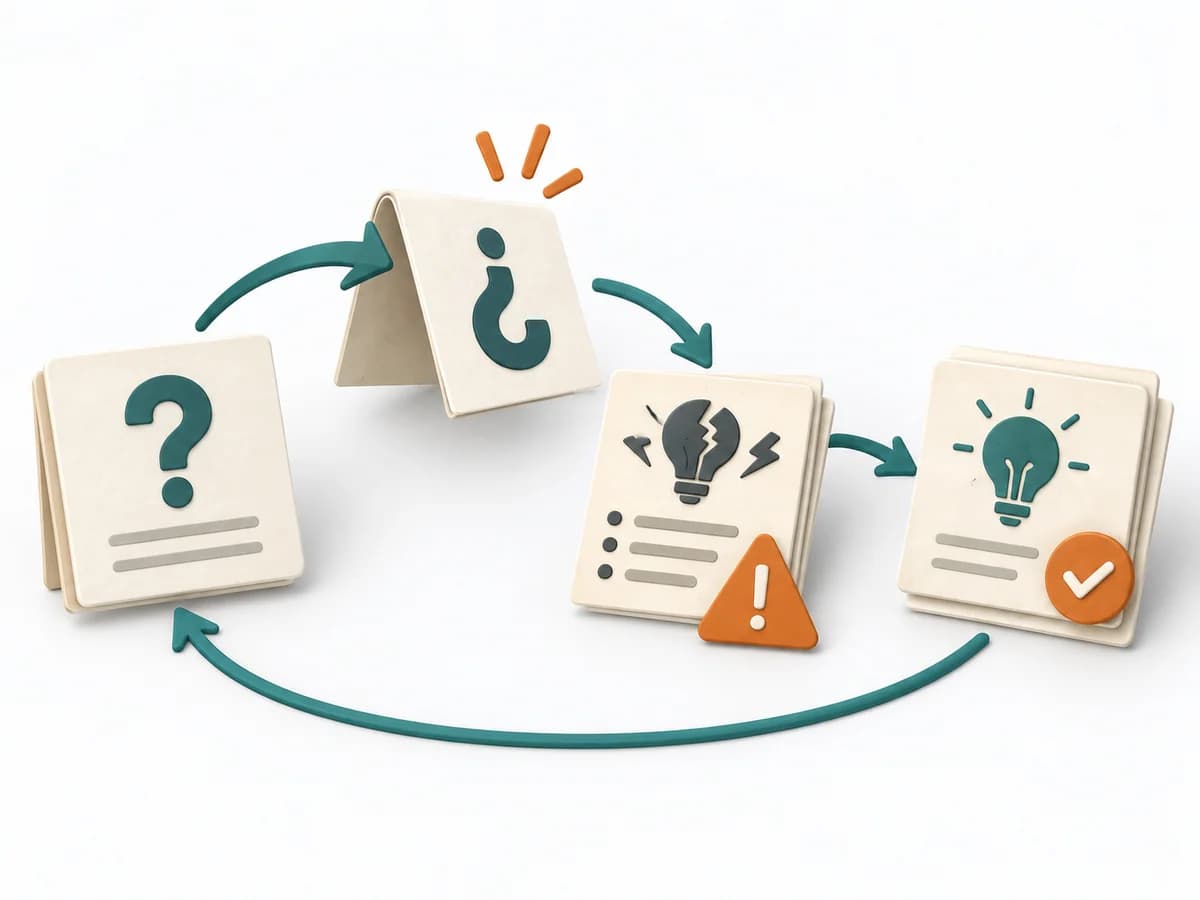 Innovation Reverse Brainstorming | 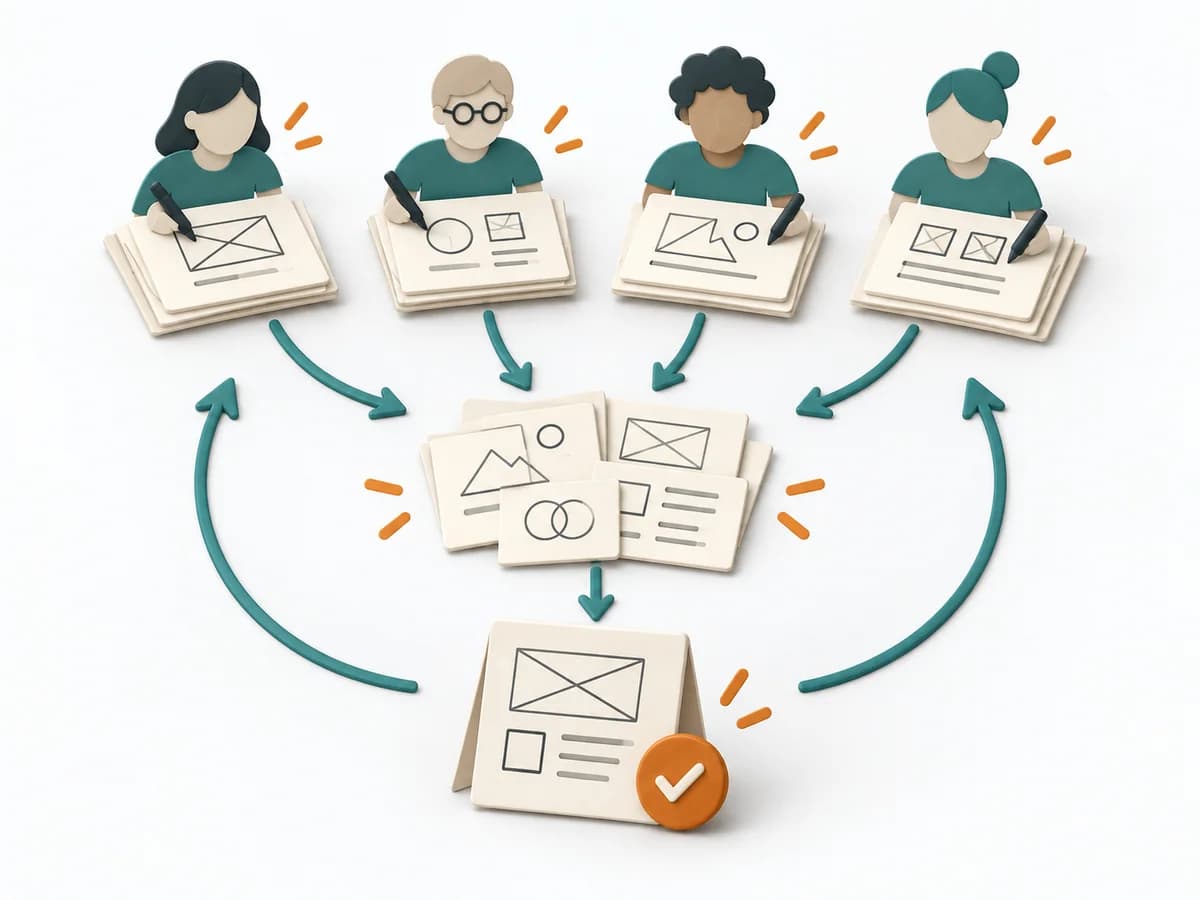 Innovation Design Charrette | 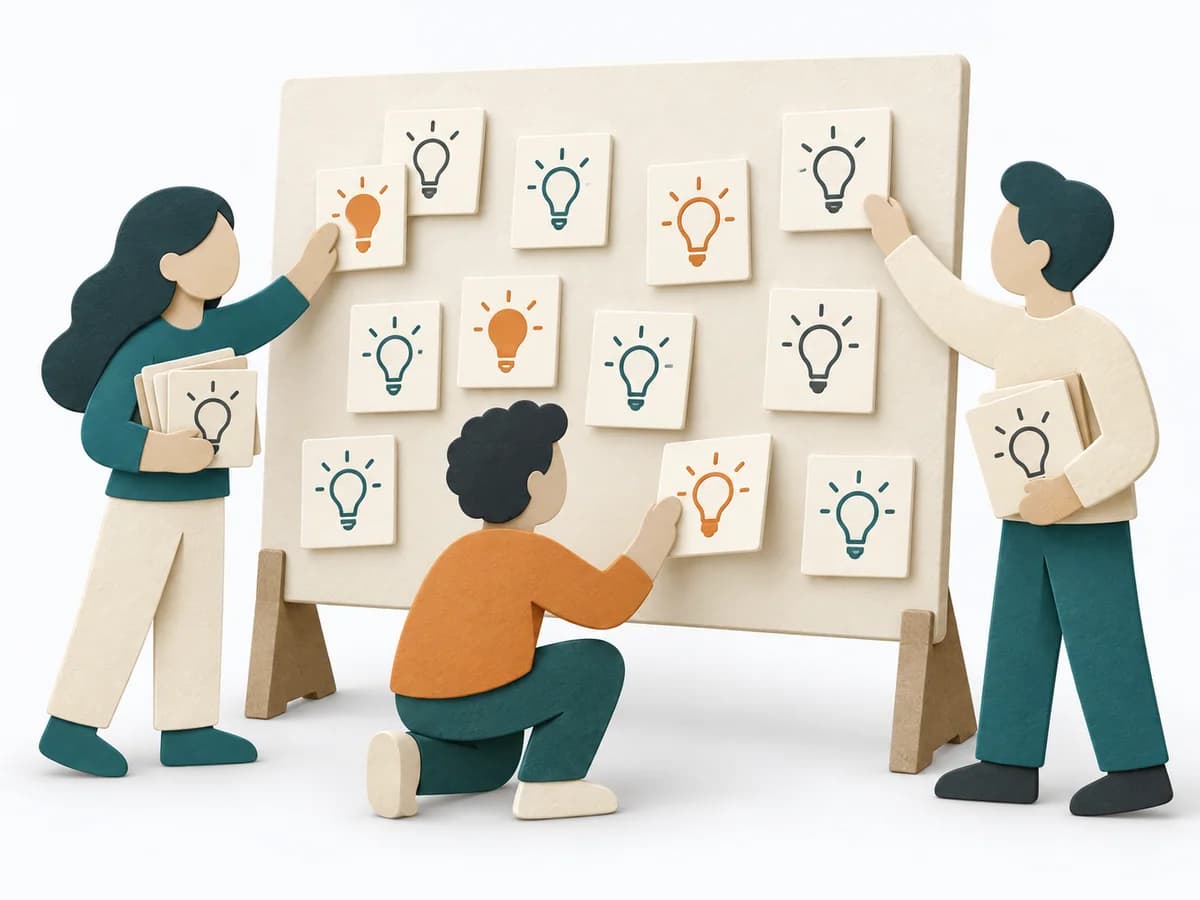 Innovation Brainstorming |
|---|---|---|---|---|
Purposedifferent | When several people work toward one goal but hold different mental maps, Alignment Mapping makes the discrepancies visible. It arranges goals, assumptions, and priorities so shared direction becomes verifiable. | For persistent errors or blockages, the method shifts the view to the opposite of the desired effect. It exposes the mechanics of failure and makes hidden causes easier to grasp. This makes improvement more concrete and the problem clearer. | In a tightly timed design process with many participants, the method pools several lines of thinking in a short time. It brings parallel design energy without letting the discussion tip into endless coordination. This quickly produces solid directions for architecture or space. | When a team faces an open question with many obvious directions, the method first creates breadth instead of premature commitment. It separates idea flow from evaluation and makes lines of thought visible, creating a pool for selection and further development. |
Complexitydifferent | Medium | Low | Medium | Low |
Timedifferent | 1-2 h | 30-60 min | Halber Tag bis mehrere Tage | 30-60 min |
Participantsdifferent | 4-12 | 3-12 | 10-50 | 4-12 |
Formatsame | Workshop | Workshop | Workshop | Workshop |
Outputdifferent | Alignment Map, Open Issues, Decision Questions | Reverse Ideas, Risk Themes, Solution Ideas | Sketches and Concepts, Consolidated Solution Sketch, Prioritized Direction | Idea pool, Theme clusters, Shortlist |
Tagsno overlap | AlignmentStakeholdersStrategyFacilitation | BrainstormingIdeationCreativityRisk | BrainstormingWorkshopCollaborationIdeation | BrainstormingIdeationCreativityWorkshopDivergence |