View methods side by side.
Choose up to four methods. Add them using the search and share the comparison by copying its link.
| Criterion |  Facilitation Alignment Mapping | 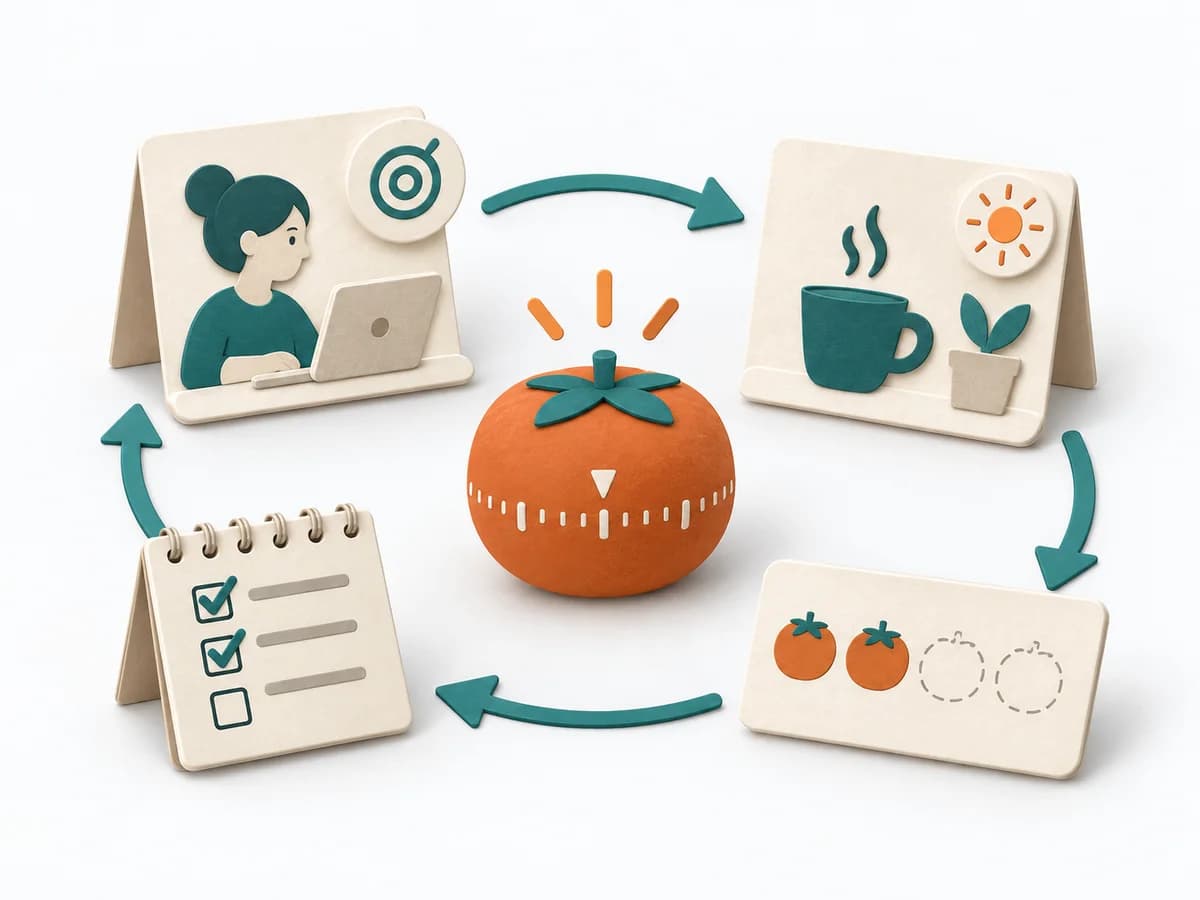 Operations Pomodoro Technique | 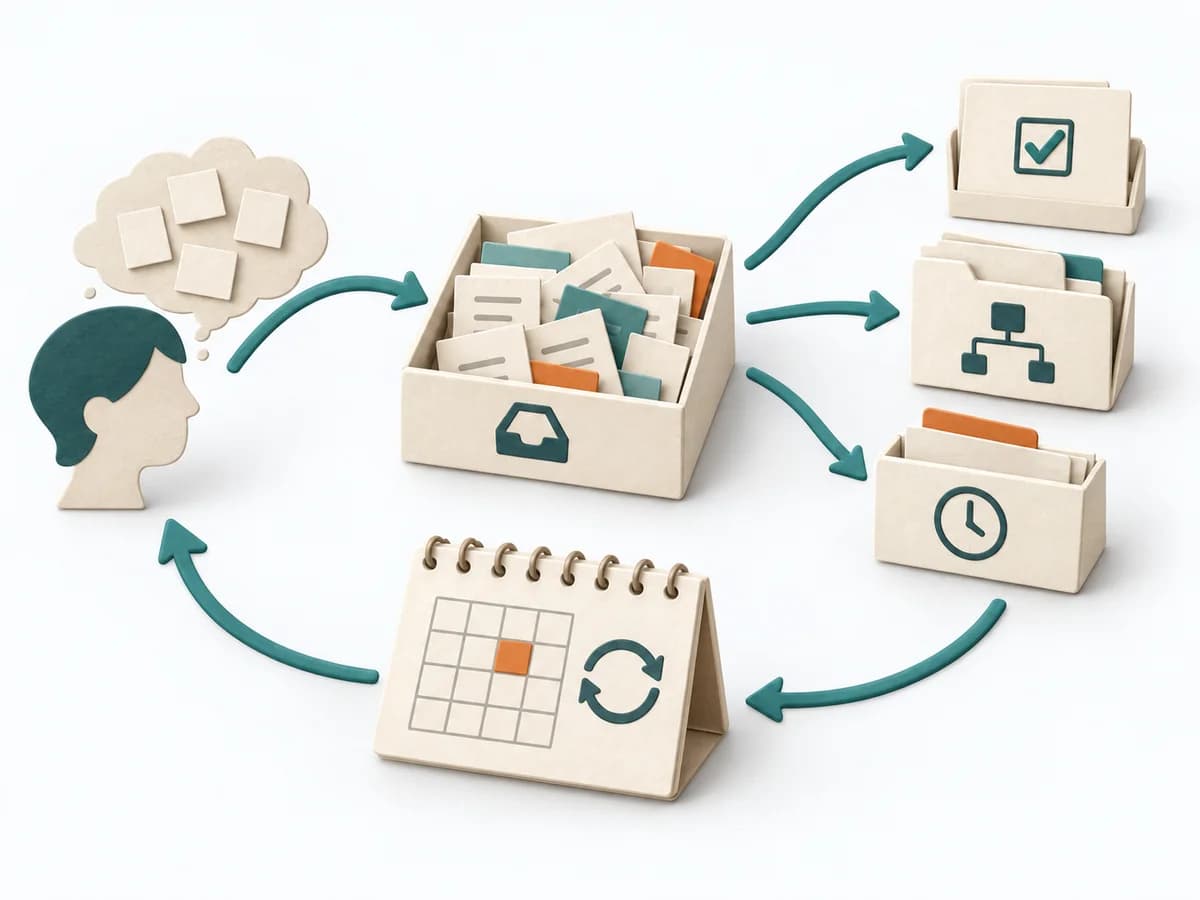 Operations Getting Things Done |  Facilitation Stakeholder Mapping |
|---|---|---|---|---|
Purposedifferent | When several people work toward one goal but hold different mental maps, Alignment Mapping makes the discrepancies visible. It arranges goals, assumptions, and priorities so shared direction becomes verifiable. | For easily distracted solo work, the method sets clear time boundaries for concentrated work. It protects attention when large tasks would otherwise fall apart into small avoidance moves. | With many open commitments and ideas in daily life, a reliable external storage system emerges. The method relieves the mind so priority and context don't have to compete in memory. | When an initiative depends on many people, interests, and power dynamics, Stakeholder Mapping systematically orders the environment. It shows who influences, who is affected, and where relationship management or safeguarding matters first. |
Complexitydifferent | Medium | Low | Medium | Low |
Timedifferent | 1-2 h | 25 min Zyklen | 1-2 h Setup, laufend | 60–90 min |
Participantsdifferent | 4-12 | 1 | 1 | 2-8 |
Formatdifferent | Workshop | Async | Async | Workshop + async |
Outputdifferent | Alignment Map, Open Issues, Decision Questions | Focus Sessions, Task Progress, Interruption Notes | Action Lists, Project List, Review Routine | Stakeholder Map, Engagement Plan, Risk Notes |
Tagsno overlap | AlignmentStakeholdersStrategyFacilitation | FocusTime managementProductivityExecution | ProductivityPlanningTasksExecution | StakeholdersAlignmentFacilitationChange |