View methods side by side.
Choose up to four methods. Add them using the search and share the comparison by copying its link.
| Criterion |  UX Research Affinity Diagramming | 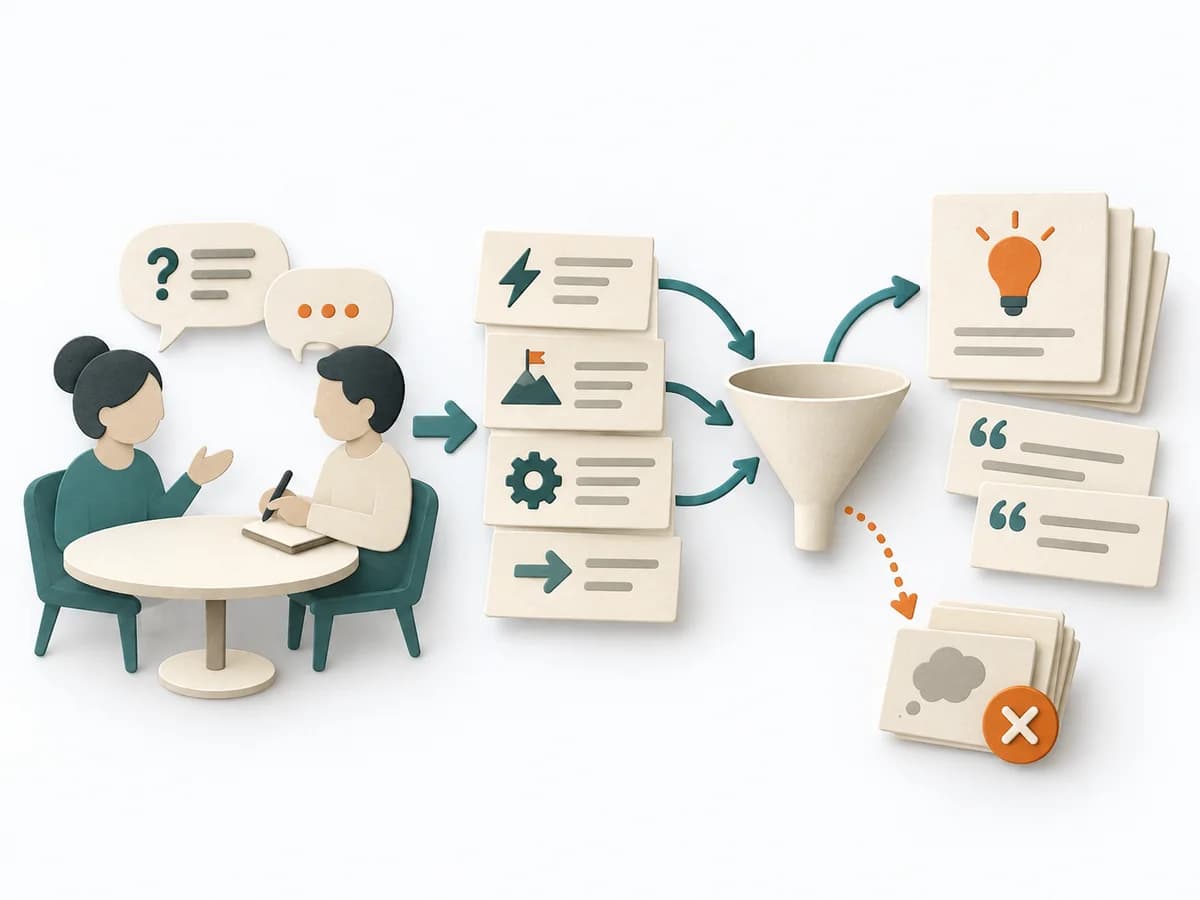 Product Discovery Opportunity Interview | 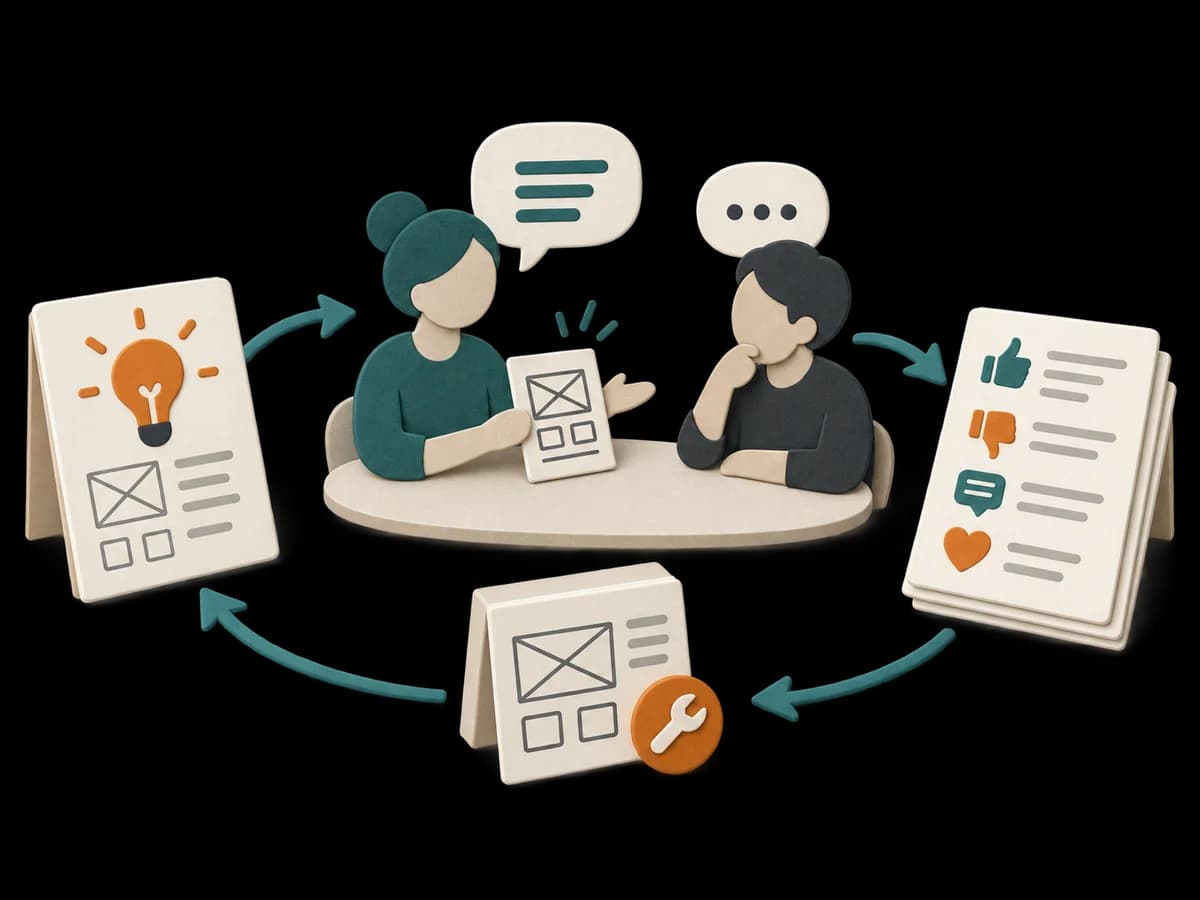 Product Discovery Solution Interview | 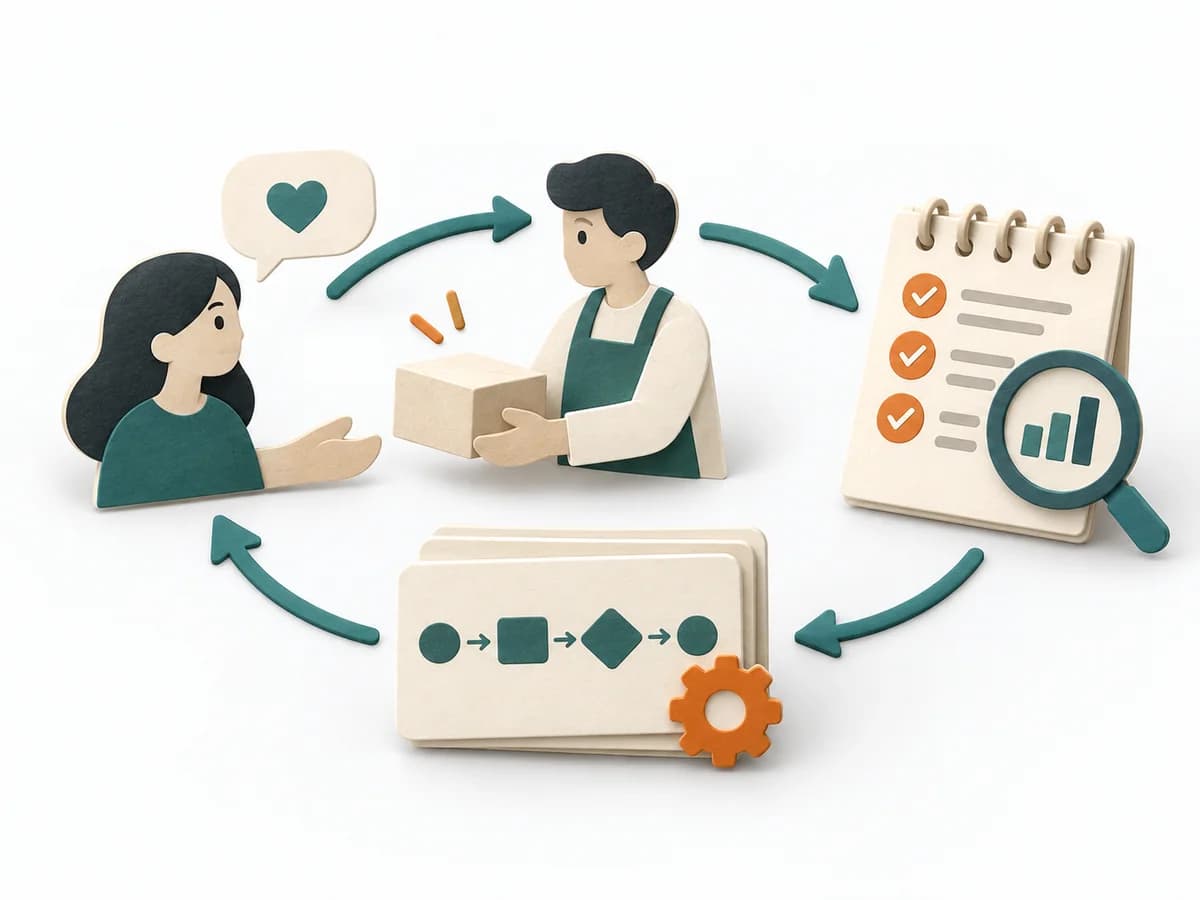 Product Discovery Concierge MVP |
|---|---|---|---|---|
Purposedifferent | When research notes, feedback, or observations sit unconnected side by side, affinity diagramming sorts the raw material into solid themes. Many individual points turn into patterns that make decisions and opportunities clearer. | When opportunities are still hidden behind signals of need, it structures conversations around needs and obstacles. It looks for patterns that lead to new product opportunities. | When a solution idea is already on the table, it checks how it is understood and evaluated. It looks for resonance, objections, and missing fit early in the conversation. | When an idea can first fail or grow through genuine hands-on support, it relies on manual work instead of automation. It shows whether user value holds up even under manual execution. |
Complexitydifferent | Low | Medium | Medium | Medium |
Timedifferent | 45–90 min | 30-60 min je Interview | 30-60 min je Interview | 1-4 Wochen |
Participantsdifferent | 3-10 | 5-12 Interviews | 5-10 Interviews | 3-10 Kunden |
Formatdifferent | Workshop | Workshop + async | Workshop + async | Workshop + async |
Outputdifferent | Theme clusters, Insight statements, Opportunity areas | Interview Notes, Opportunity Themes, Customer Quotes | Solution Feedback, Objection List, Validation Notes | Concierge Learnings, Service Blueprint, MVP Risks |
Tagsno overlap | SynthesisQualitativeRoot cause | DiscoveryInterviewsOpportunityCustomer | ValidationInterviewsPrototype | MVPValidationServiceDiscovery |