View methods side by side.
Choose up to four methods. Add them using the search and share the comparison by copying its link.
| Criterion |  UX Research Affinity Diagramming | 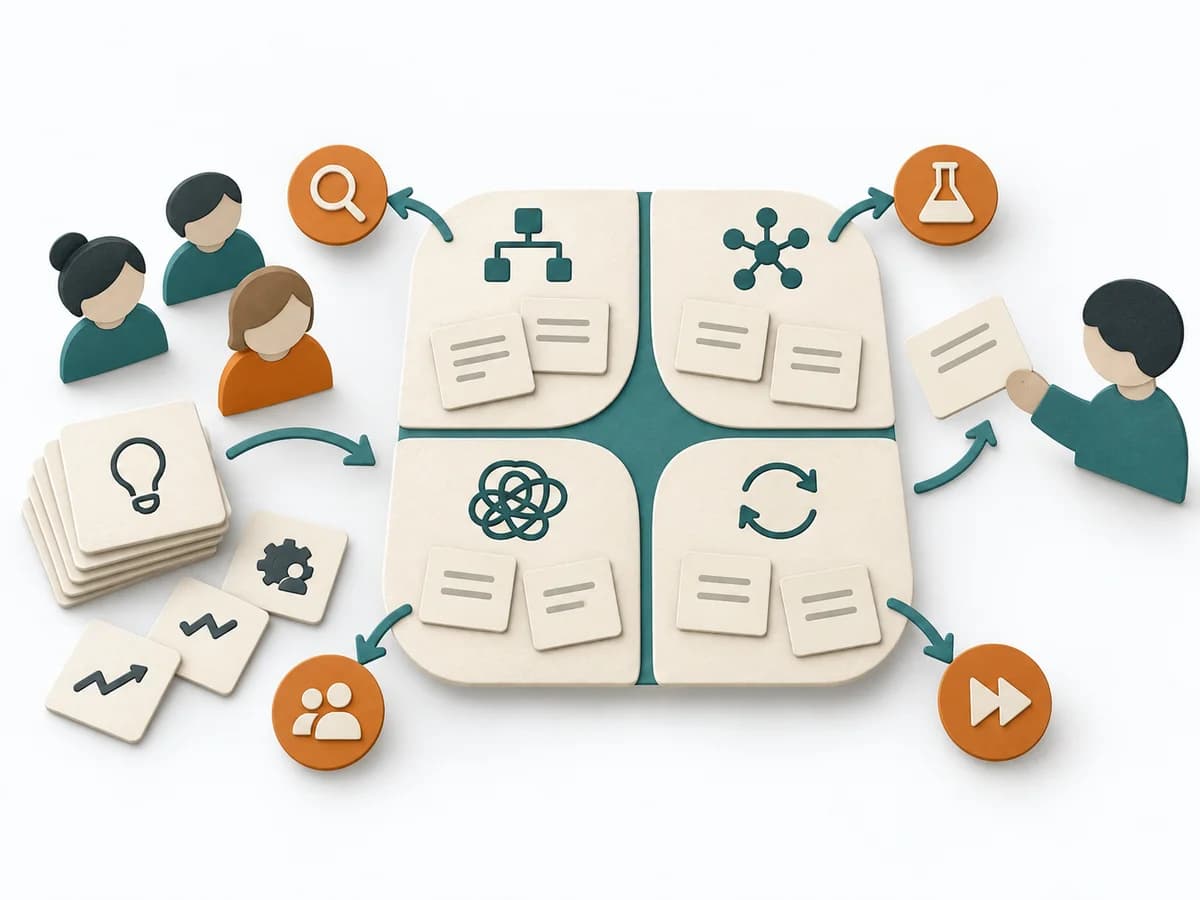 Decision Making Cynefin Workshop |  Operations Failure Mode and Effects Analysis | 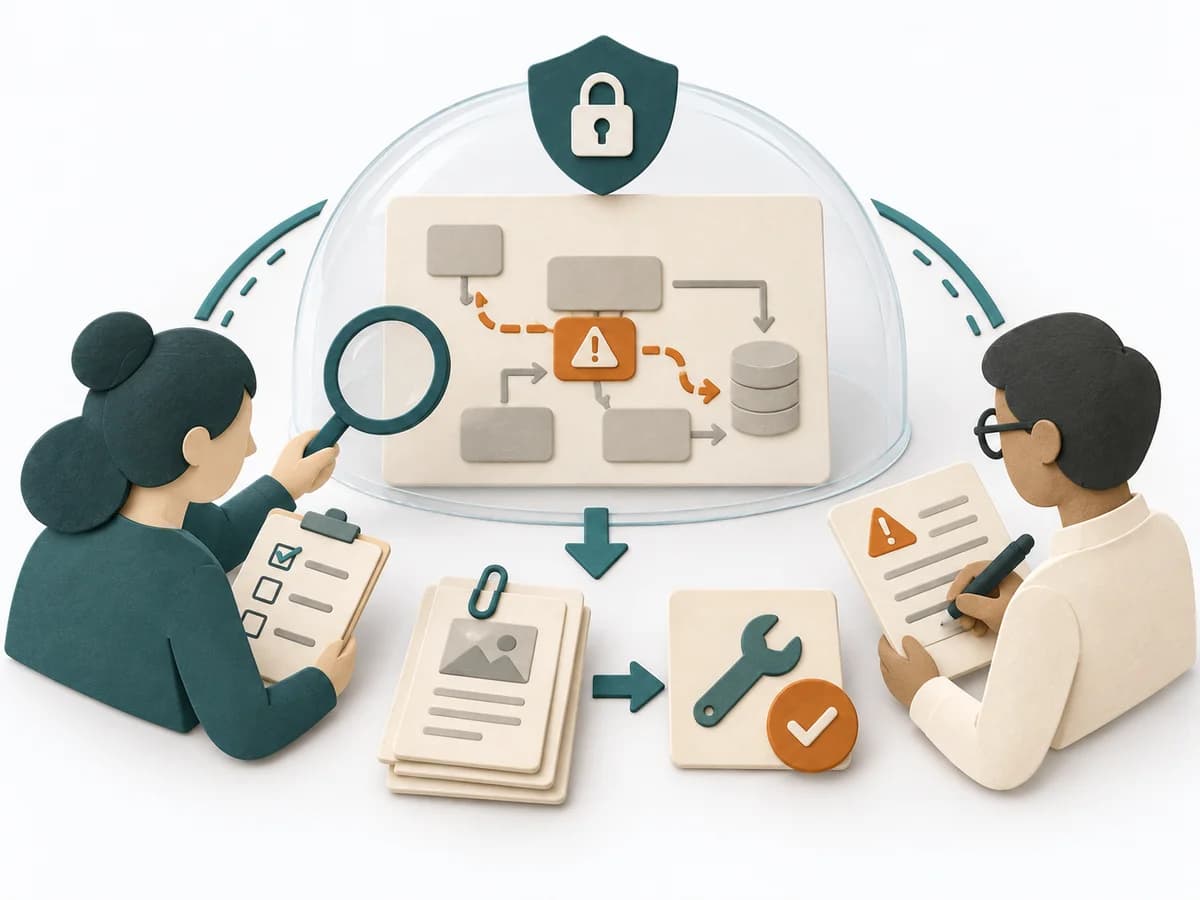 Decision Making Red Teaming |
|---|---|---|---|---|
Purposedifferent | When research notes, feedback, or observations sit unconnected side by side, affinity diagramming sorts the raw material into solid themes. Many individual points turn into patterns that make decisions and opportunities clearer. | When problems are unclear, chaotic, or only seemingly familiar, standard recipes fall short. A Cynefin Workshop sorts situations by the nature of their problem and connects them with matching action logic. | For a process, product, or service with noticeable failure risks, the method assesses possible failure modes in advance. It directs attention to combinations of occurrence, effect, and detectability. | For strategic decisions with high reach, agreement and gut feeling are often not enough. Red teaming brings deliberate opposition into the situation and tests where a plan breaks under real counterarguments. |
Complexitydifferent | Low | Medium | High | High |
Timedifferent | 45–90 min | 60-180 min | 2-6 h | 1-4 h |
Participantsdifferent | 3-10 | 4-20 | 3-10 | 3-8 |
Formatsame | Workshop | Workshop | Workshop | Workshop |
Outputdifferent | Theme clusters, Insight statements, Opportunity areas | Cynefin Map, Domain-specific Actions, Sensemaking Notes | FMEA Table, Risk Priority, Mitigation Actions | Challenge Findings, Risk Register, Mitigation Plan |
Tagsno overlap | SynthesisQualitativeRoot cause | ComplexitySensemakingDecision | RiskQualityOperationsRoot cause | RiskDecisionSensemaking |