View methods side by side.
Choose up to four methods. Add them using the search and share the comparison by copying its link.
| Criterion | 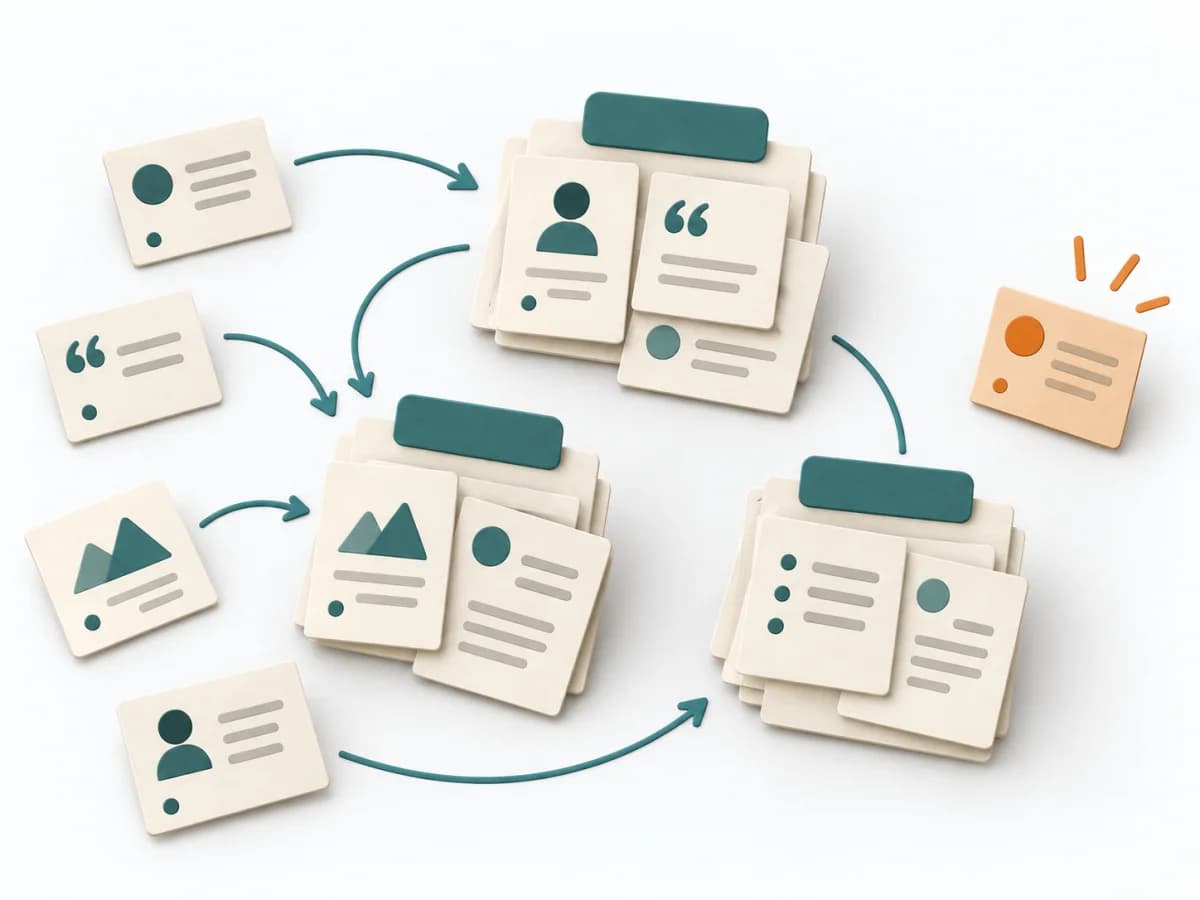 UX Research Affinity Diagramming | 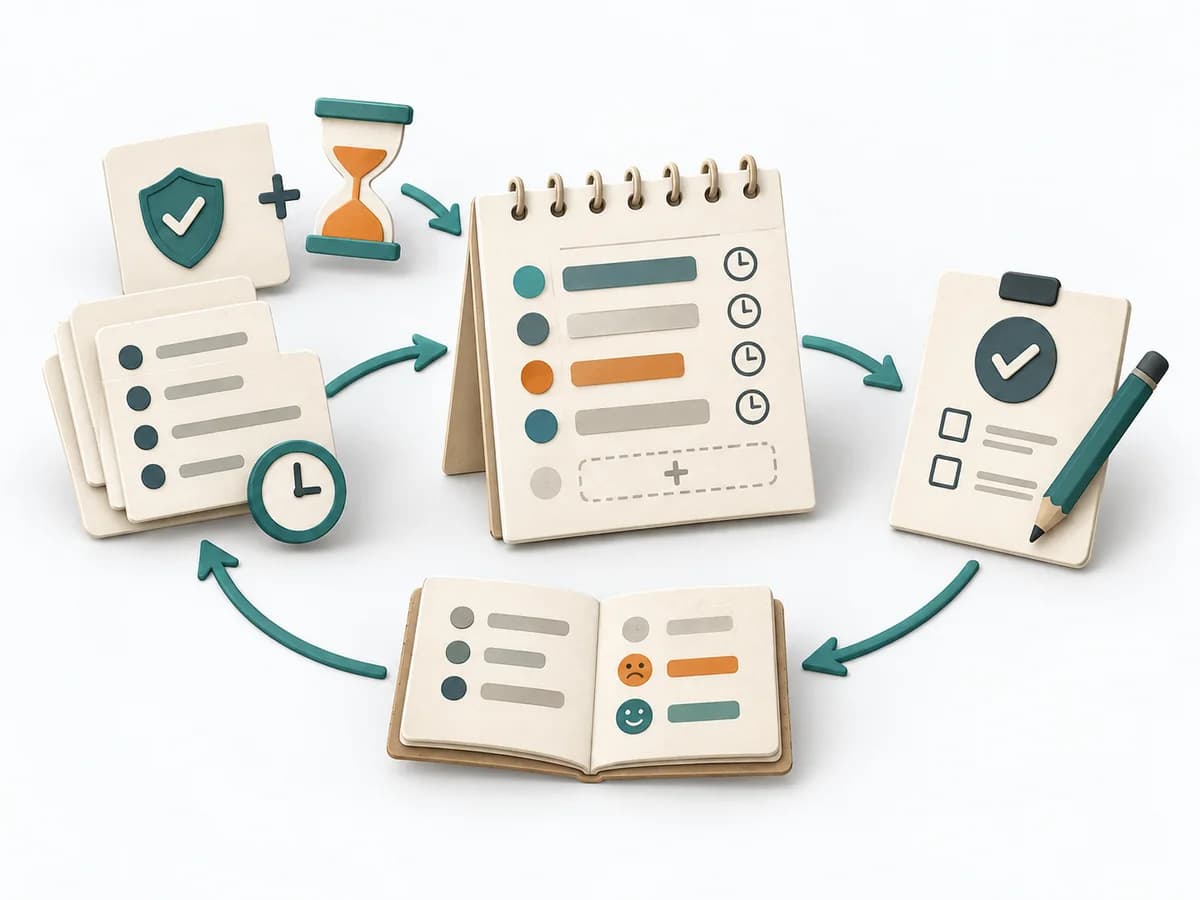 Operations ALPEN Method | 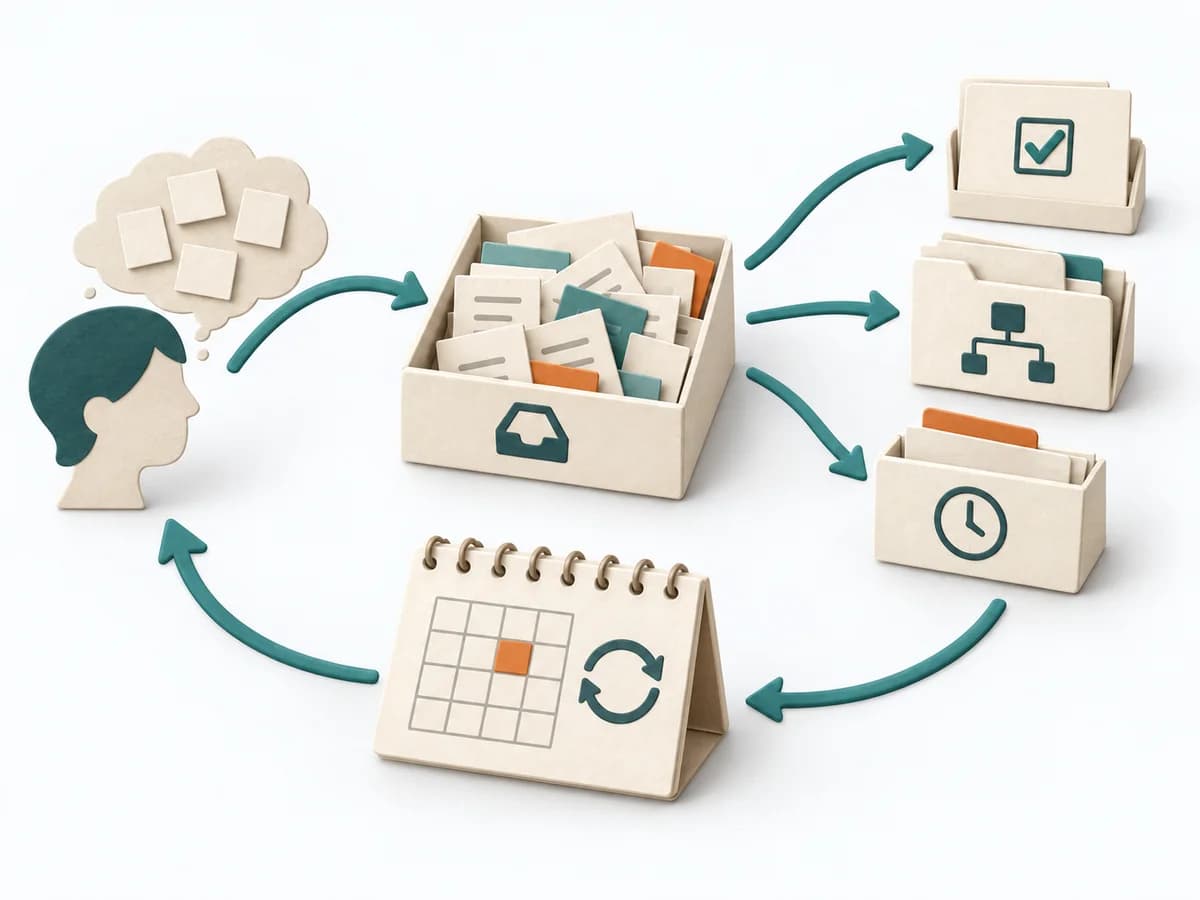 Operations Getting Things Done |  UX Research Empathy Mapping |
|---|---|---|---|---|
Purposedifferent | When research notes, feedback, or observations sit unconnected side by side, affinity diagramming sorts the raw material into solid themes. Many individual points turn into patterns that make decisions and opportunities clearer. | With an overloaded day full of too many tasks, a realistic picture of the day emerges. The method connects estimating, deciding, and buffer thinking so planning fits available energy and time. | With many open commitments and ideas in daily life, a reliable external storage system emerges. The method relieves the mind so priority and context don't have to compete in memory. | When a lot is assumed about a target group but little is seen jointly, empathy mapping makes knowledge and gaps directly comparable. The picture also shows which assumptions hold up and where evidence is missing. |
Complexitydifferent | Low | Low | Medium | Low |
Timedifferent | 45–90 min | 10-20 min daily | 1-2 h Setup, laufend | 30–60 min |
Participantsdifferent | 3-10 | 1 | 1 | 4-8 |
Formatdifferent | Workshop | Async | Async | Workshop |
Outputdifferent | Theme clusters, Insight statements, Opportunity areas | Daily Plan, Time Estimates, Review Notes | Action Lists, Project List, Review Routine | Empathy Map, Assumptions List, Research Gaps |
Tagsno overlap | SynthesisQualitativeRoot cause | PlanningTime managementProductivityOperations | ProductivityPlanningTasksExecution | SynthesisQualitativeWorkshop |