View methods side by side.
Choose up to four methods. Add them using the search and share the comparison by copying its link.
| Criterion | 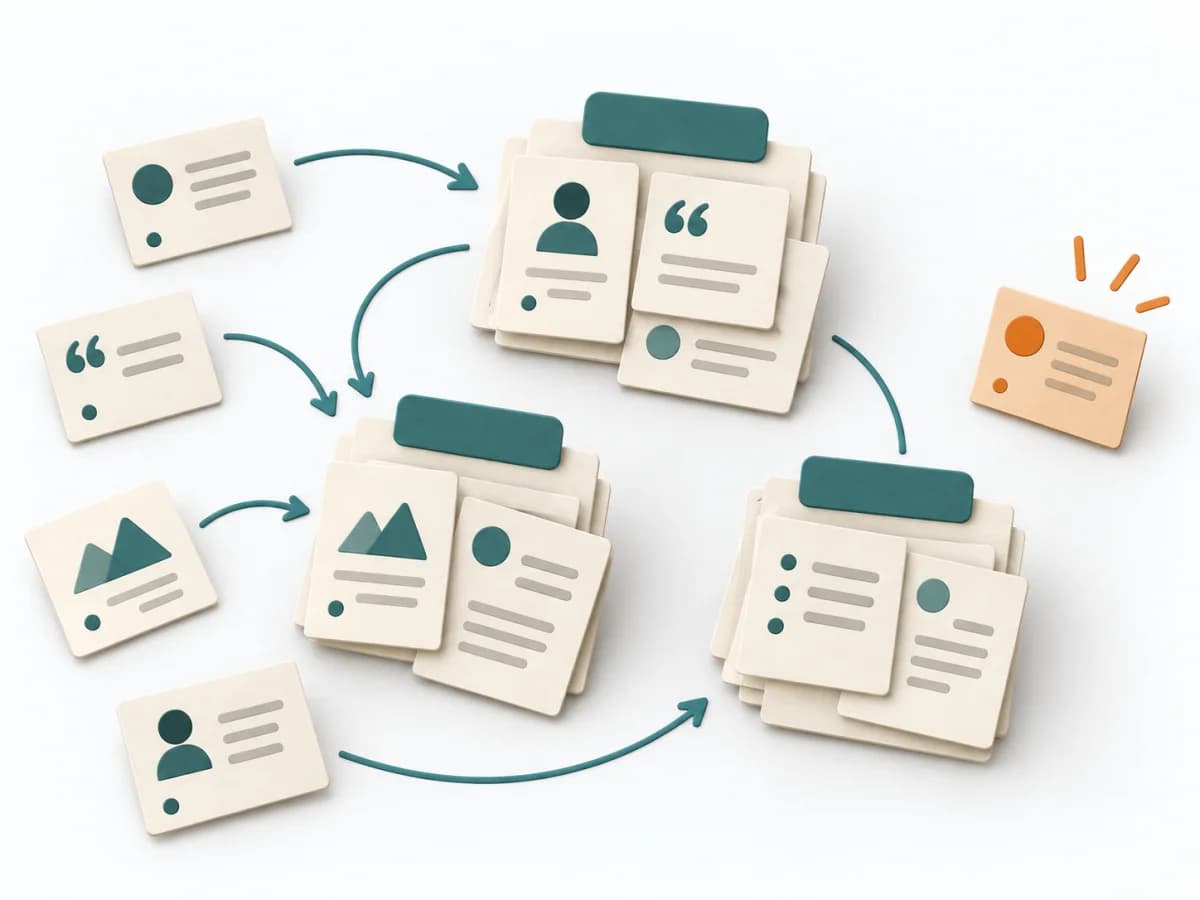 UX Research Affinity Diagramming | 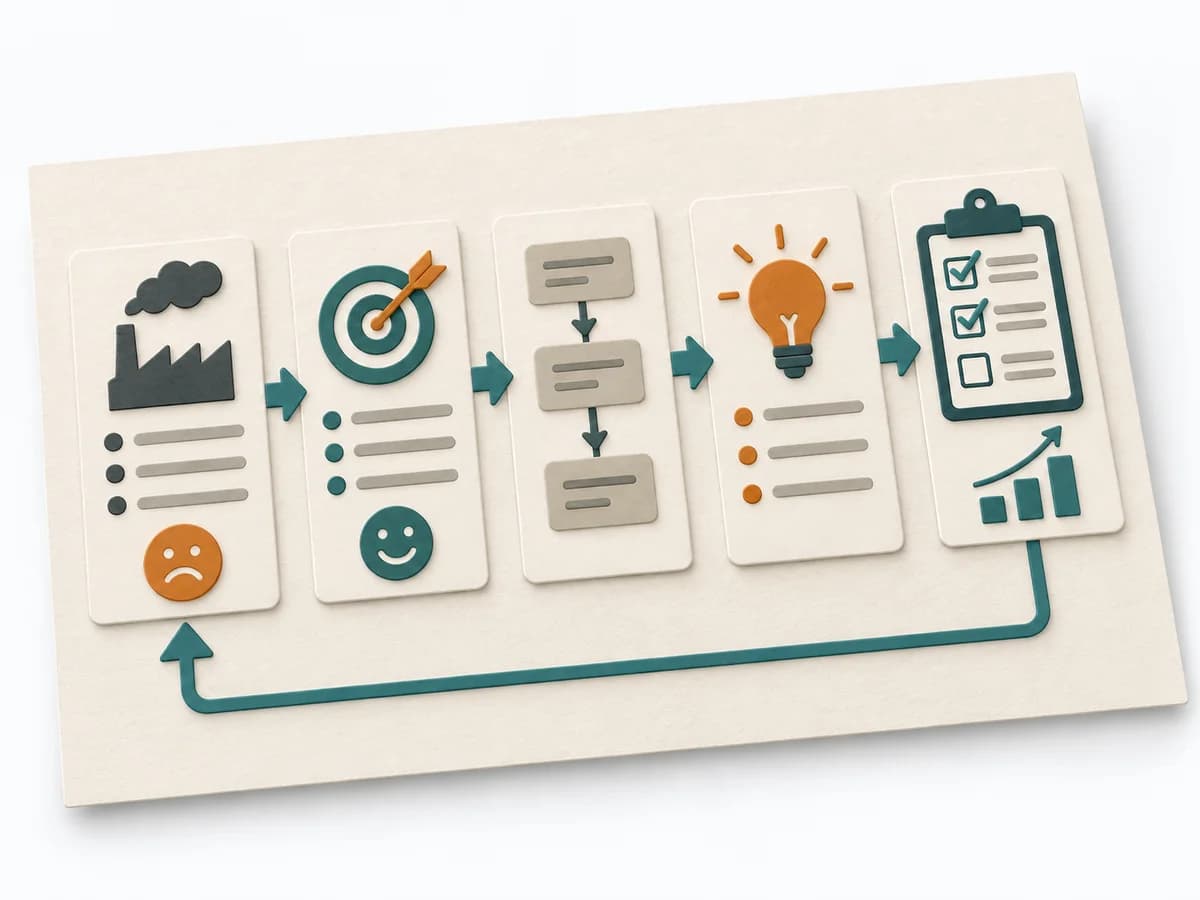 Operations A3 Problem Solving | 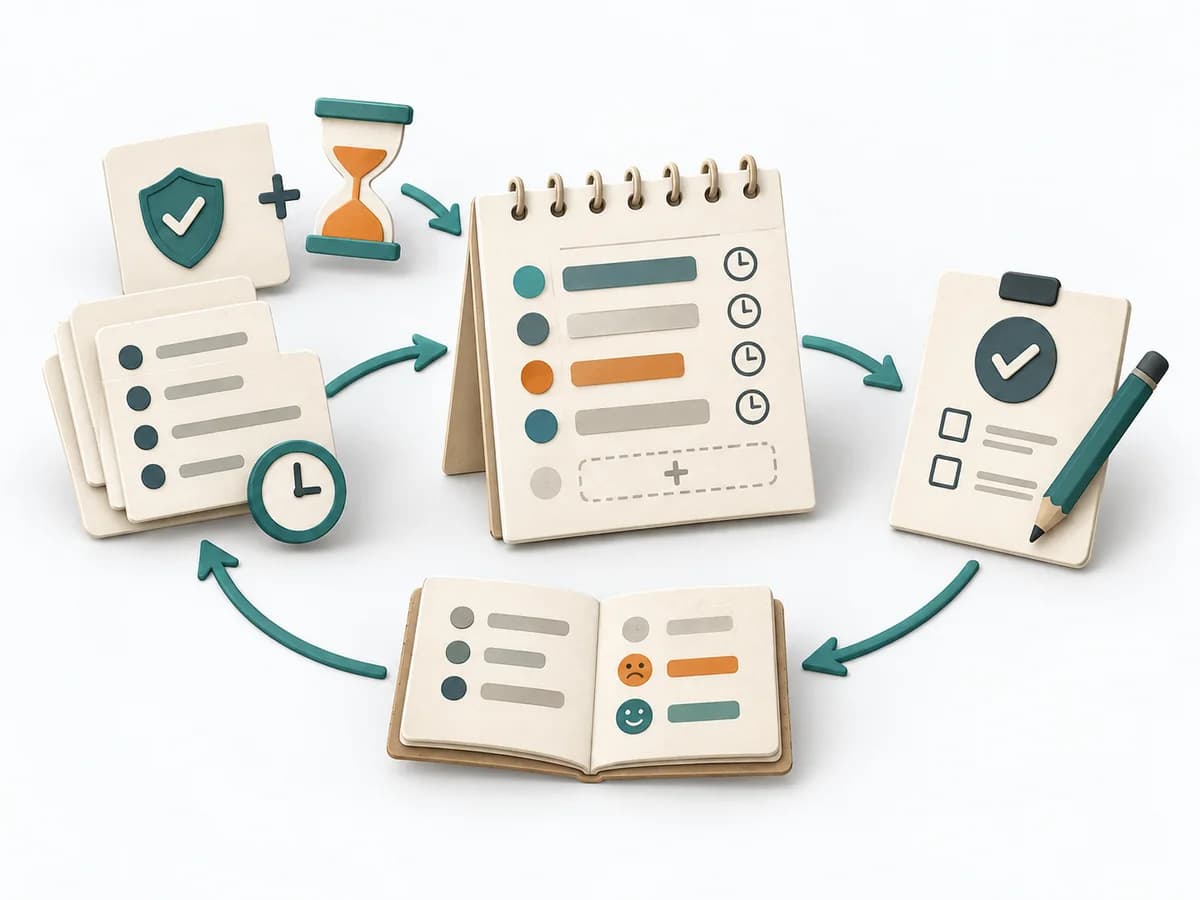 Operations ALPEN Method | 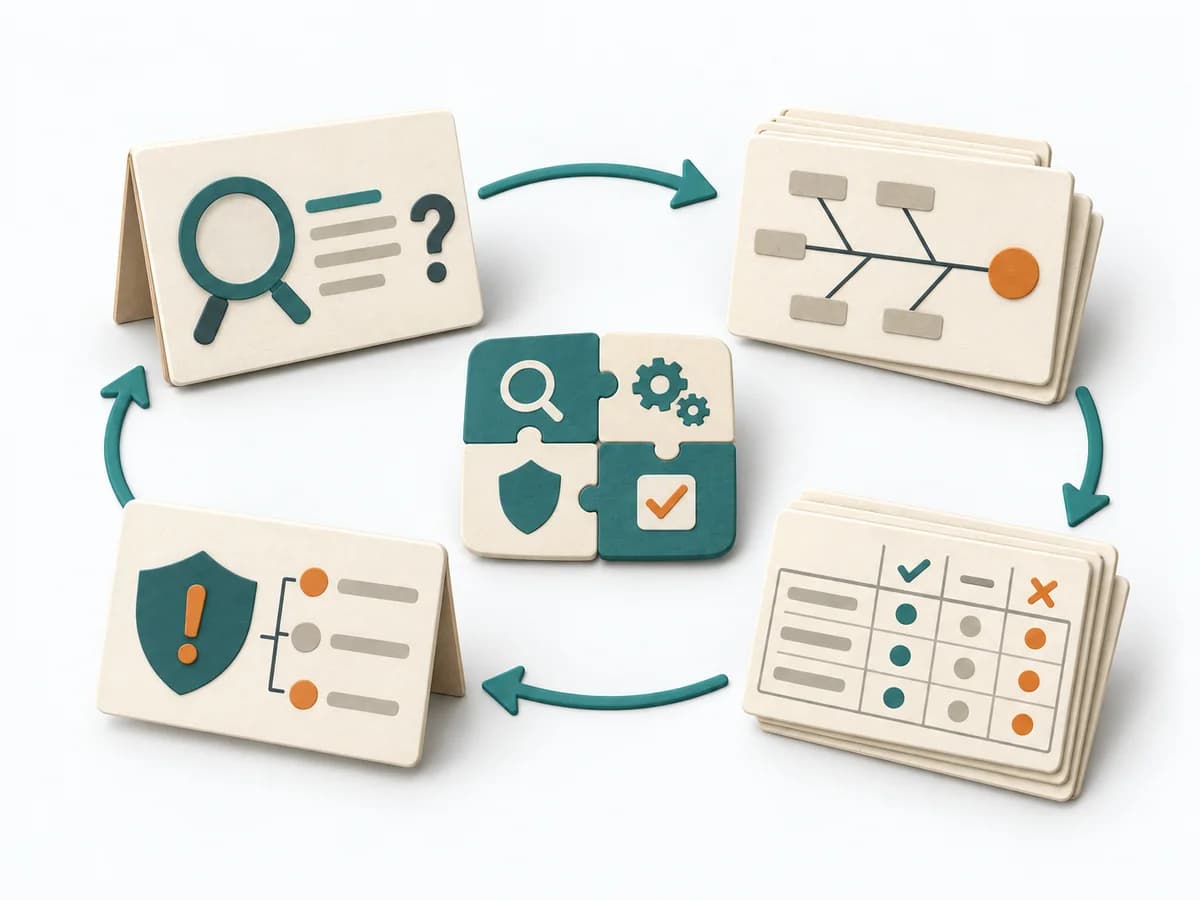 Operations Kepner-Tregoe |
|---|---|---|---|---|
Purposedifferent | When research notes, feedback, or observations sit unconnected side by side, affinity diagramming sorts the raw material into solid themes. Many individual points turn into patterns that make decisions and opportunities clearer. | For a complex deviation with several people involved, the method bundles problem, analysis, and decision onto one page. It creates a shared working space where causes, countermeasures, and follow-up fit together. | With an overloaded day full of too many tasks, a realistic picture of the day emerges. The method connects estimating, deciding, and buffer thinking so planning fits available energy and time. | For a disturbance that's hard to pin down, the method cleanly separates problem, cause, and decision. It reduces mixing when symptoms allow several interpretations. |
Complexitydifferent | Low | Medium | Low | High |
Timedifferent | 45–90 min | 45-90 min | 10-20 min daily | 2-8 h |
Participantsdifferent | 3-10 | 2-5 | 1 | 2-8 |
Formatdifferent | Workshop | Workshop + async | Async | Workshop + async |
Outputdifferent | Theme clusters, Insight statements, Opportunity areas | A3 Report, Action Plan, Root Cause Analysis | Daily Plan, Time Estimates, Review Notes | Problem Analysis, Decision Analysis, Risk Plan |
Tagsno overlap | SynthesisQualitativeRoot cause | LeanProblem solvingCoachingOperations | PlanningTime managementProductivityOperations | Problem solvingRoot causeDecisionOperations |