View methods side by side.
Choose up to four methods. Add them using the search and share the comparison by copying its link.
| Criterion | 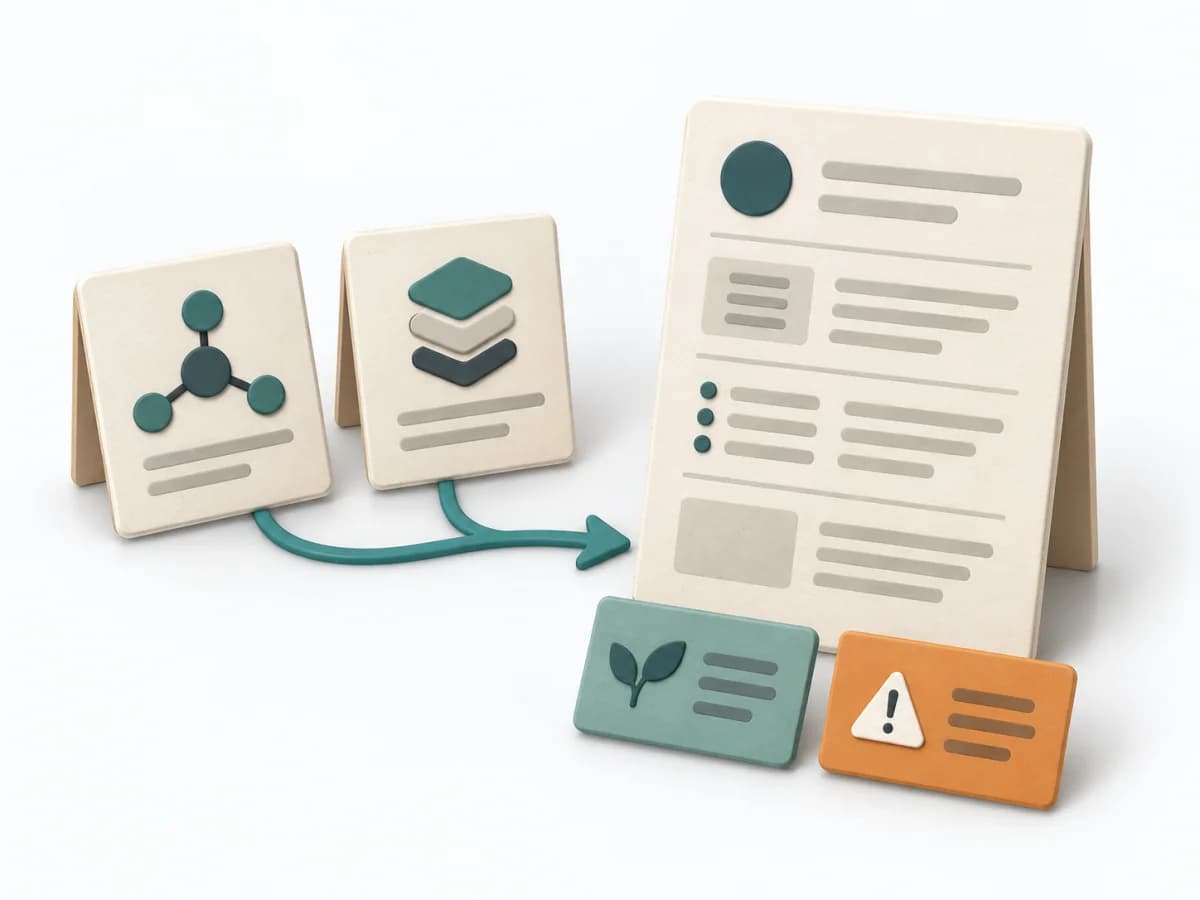 Architecture Architecture Decision Record | 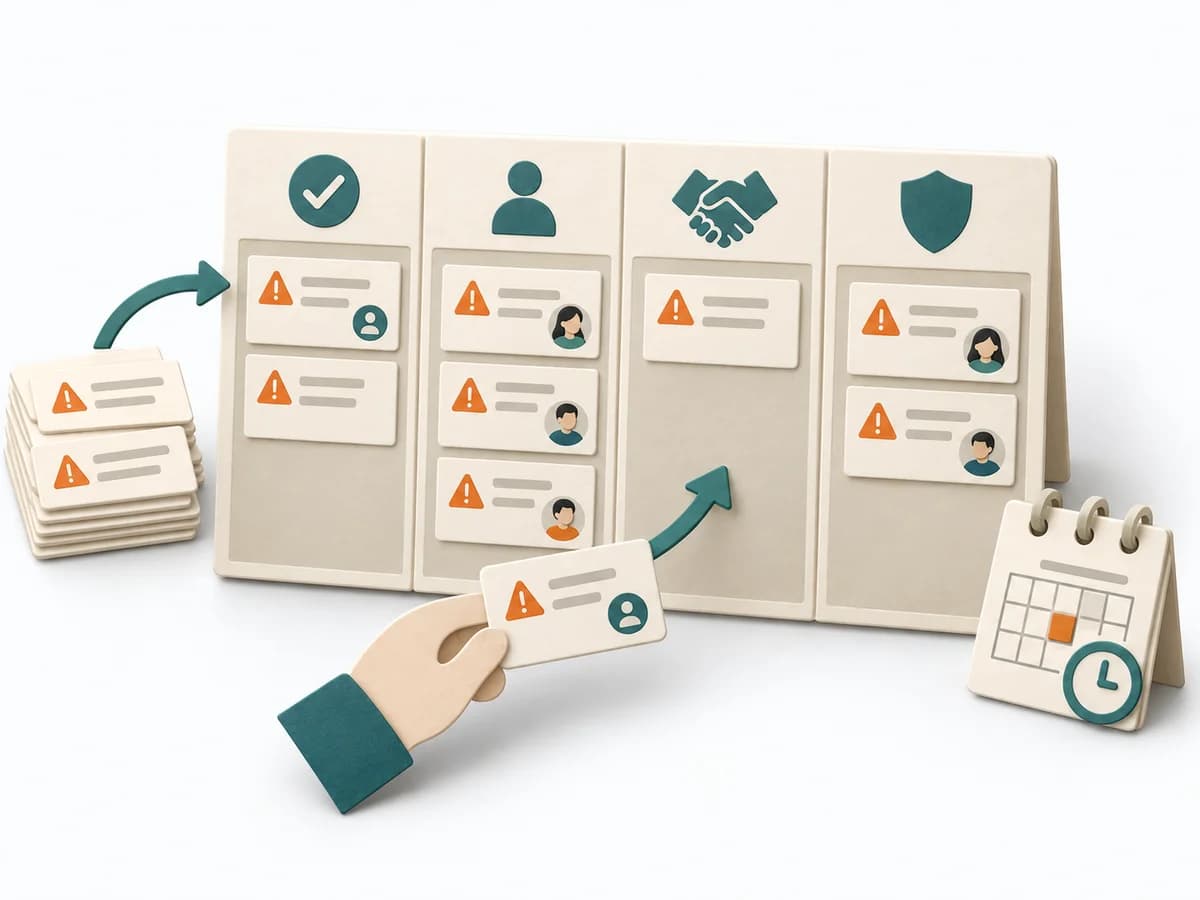 Agile ROAM Board | 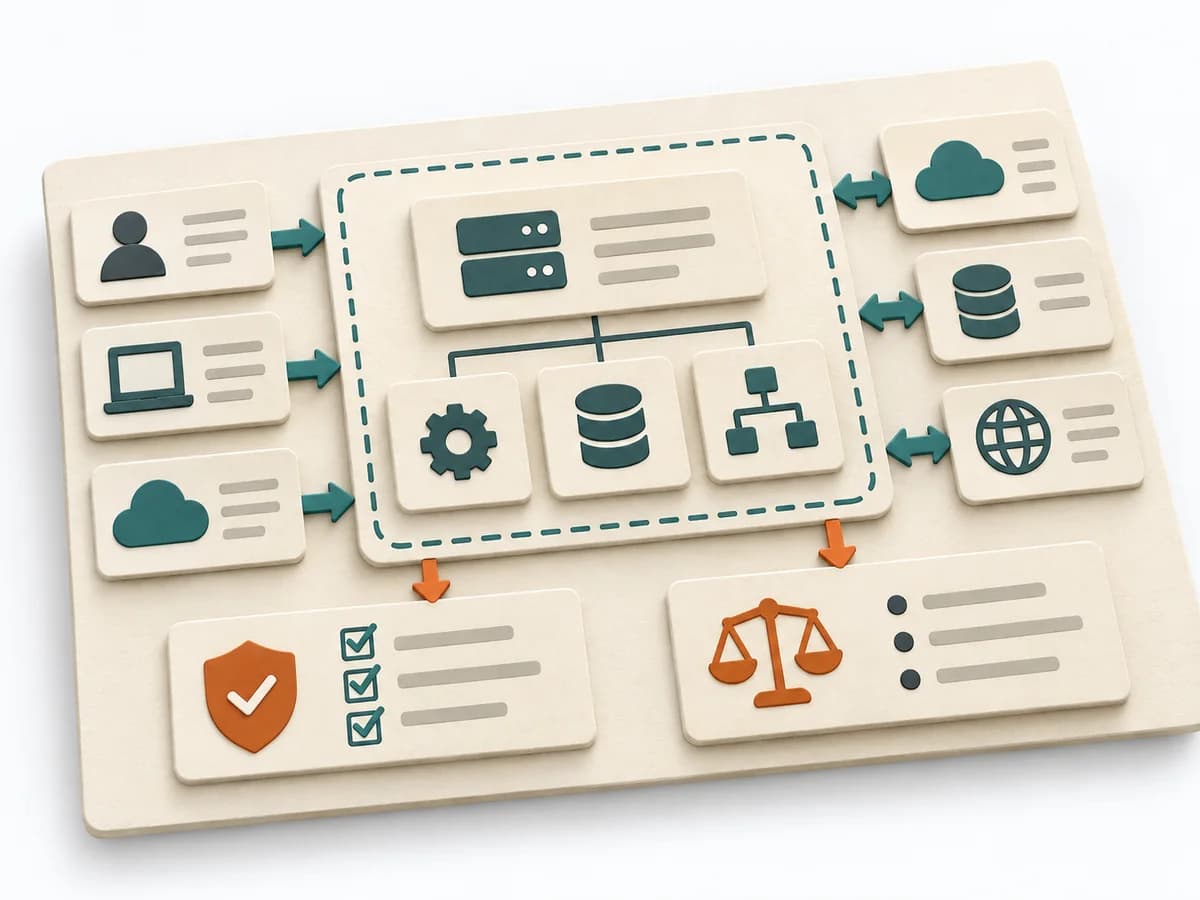 Architecture Software Architecture Canvas | 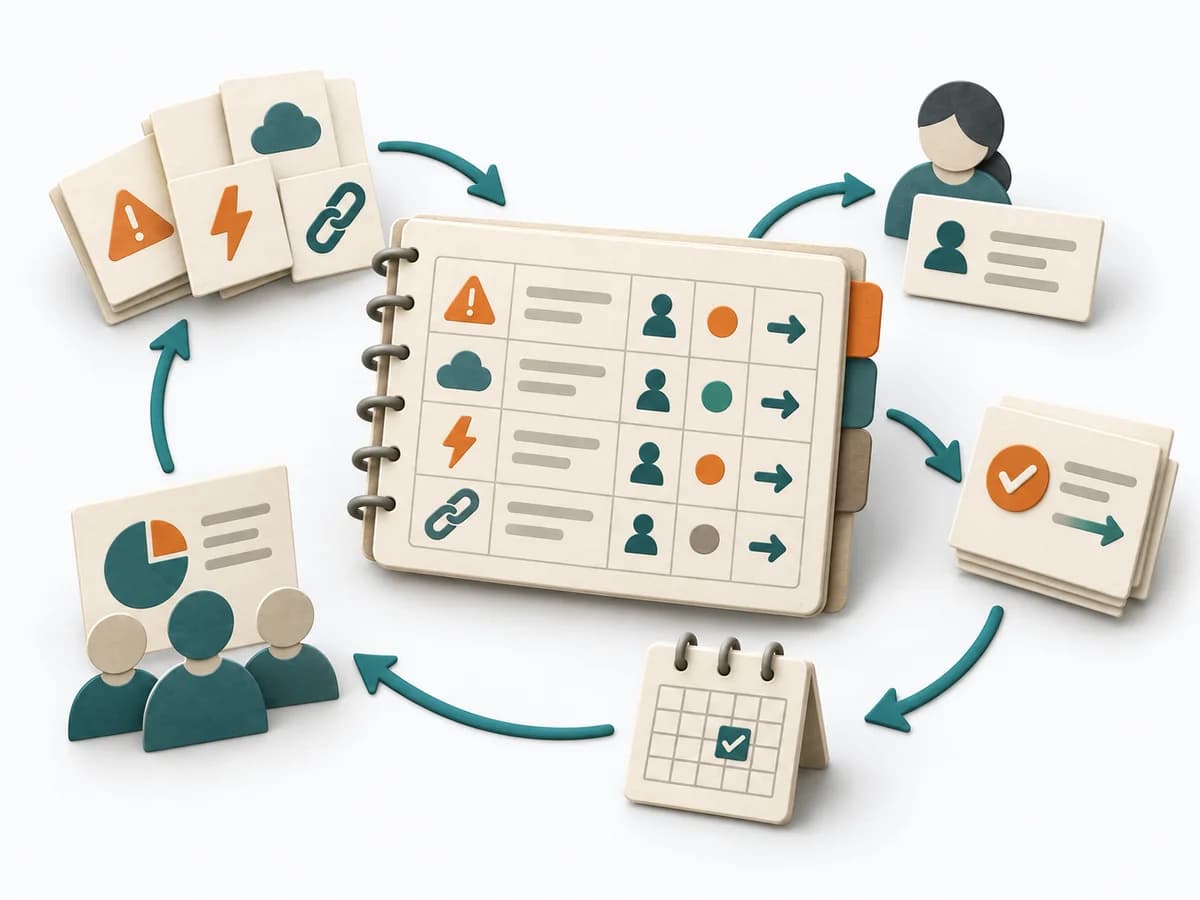 Delivery RAID Log |
|---|---|---|---|---|
Purposedifferent | An ADR permanently records an architecture decision with context, trade-offs, and consequence. It creates continuity for later changes because the decision path stays traceable. | When work needs to move between different states or columns, it makes that movement and its handoffs legible. It sorts work by value, risk, and delivery ability. The result is captured as a ROAM Board and an Owner List. | The Software Architecture Canvas reduces a system to the most important architecture decisions, constraints, and interfaces. It is useful when teams need a resilient overall picture quickly. | Helps clarify scope, sequence, and delivery flow in concrete terms. It makes work, boundaries, and order steerable. The result is captured as a RAID Log and a source for status reporting. |
Complexitysame | Low | Low | Low | Low |
Timedifferent | 15-45 min | 20-40 min initial, dann laufend | 1-2 h | 30 min Setup, dann laufend |
Participantsdifferent | 1-3 | 3-15 | 3-10 | 1-3 maintaining, briefing for everyone |
Formatdifferent | Async | Workshop + async | Workshop | Async |
Outputdifferent | ADR File, Decision Log, Rationale | ROAM Board, Owner List | Architecture Canvas, Goals, Constraints, Quality Attributes | RAID Log, Status Report Source |
Tagsno overlap | ArchitectureRationaleDocumentationGovernance | RiskAgileTrackingAlignment | CanvasArchitectureAlignmentWorkshop | RiskTrackingStakeholdersGovernance |